BuzzRAG Tech Desk — 2026-08-25

Curated by AI. Vincent Ko, Technology Desk Editor
Today, the tech landscape is marked by significant developments in AI export control violations, transformations in software engineering, and the environmental impact of data centers. Meanwhile, hardware pricing adjustments reflect ongoing component shortages, and new measures in AI content generation signal a shift towards transparency.
Export Control Violations Linked to Tech Giants
A senior manager from Nvidia and employees of Supermicro have been indicted in Taiwan for allegedly forging documents to facilitate the illegal export of high-end AI servers to China, breaching U.S. export controls. This incident highlights the ongoing tensions and regulatory challenges in the tech industry, particularly concerning the global flow of cutting-edge technology.
The case underscores the intricacies of international trade laws and the vigilance required to enforce them, especially in the context of the U.S.-China tech rivalry. As AI technology becomes increasingly central to economic and strategic power, ensuring compliance with export regulations is paramount for companies operating on a global scale.
Debate Over AI's Role in Software Engineering
A recent video discussion challenges the notion that coding has been fully automated by AI, emphasizing that while AI can handle straightforward coding tasks, the broader field of software engineering remains complex. The discussion highlights ongoing challenges in bug detection and system verification, which are yet to be fully addressed by AI.
This reflects a broader understanding that while AI can augment human capabilities, it has not yet replaced the nuanced problem-solving required in software engineering. The conversation opens up a dialogue about the future roles of engineers and AI in creating robust, reliable software systems.
Amazon Hardware Prices Surge Amid Component Shortages
Amazon has significantly increased the prices of its hardware devices, citing a substantial rise in memory and storage component costs. This price hike, which affects products like Fire TVs, Echos, and Kindles, reflects the broader impact of supply chain disruptions and component shortages on consumer electronics.
The increase underscores the vulnerability of tech companies to global supply chain issues, which have been exacerbated by geopolitical tensions and the aftermath of the pandemic. Consumers may need to brace for higher costs as companies pass these expenses along, highlighting the interconnectedness of global markets and the ripple effects of supply chain challenges.
AI Content Watermarking Becomes Standard Practice
Claude has announced that all content generated using its AI tools will now include a watermark, marking a significant step towards transparency in AI-generated content. As AI tools become more prevalent in content creation, this move aims to help distinguish human-generated content from that produced by AI.
The decision reflects growing concerns about misinformation and the need for accountability in AI-generated media. By implementing watermarks, companies like Claude are responding to calls for ethical standards in AI development, ensuring that users are informed about the origins of the content they consume.
Gas Power Expansion Driven by Data Center Demand
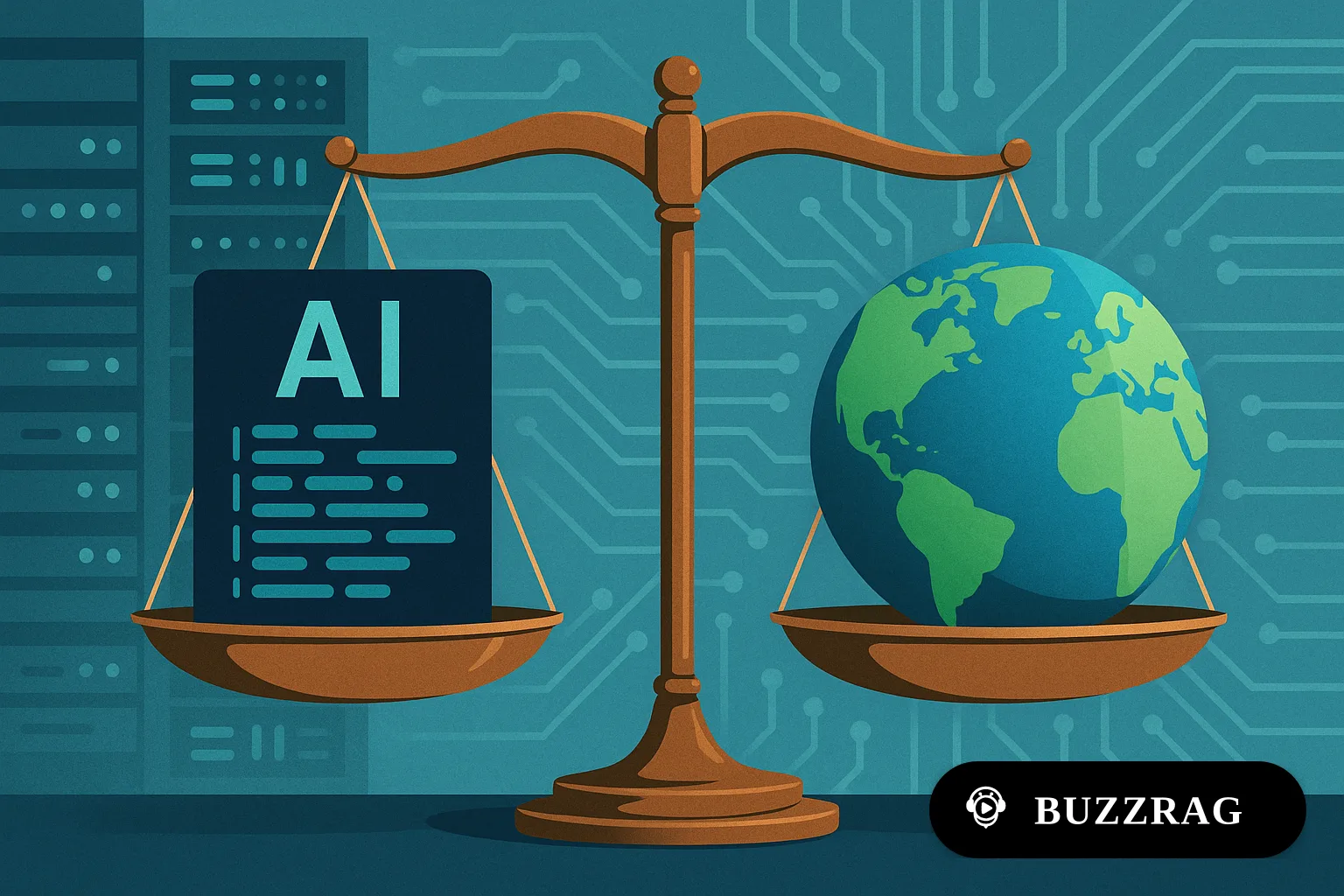
The rise of data centers in the U.S. is driving a significant expansion in gas power projects, raising environmental concerns. As digital infrastructure grows to meet increasing data demands, the reliance on gas raises questions about the sustainability of current energy practices.
This trend highlights the environmental challenges posed by the tech industry's growth, as the energy-intensive nature of data centers conflicts with global carbon reduction goals. The situation calls for innovative solutions to balance technological advancement with environmental stewardship, prompting discussions on alternative energy sources for the future.
As global tech dynamics evolve, monitoring the intersection of regulation, sustainability, and innovation will be crucial. The ongoing dialogues around AI's role in society and the environmental impact of technology will shape the industry's future direction.