BuzzRAG Daily Digest — 2026-08-25

Curated by AI. Callum Pierce
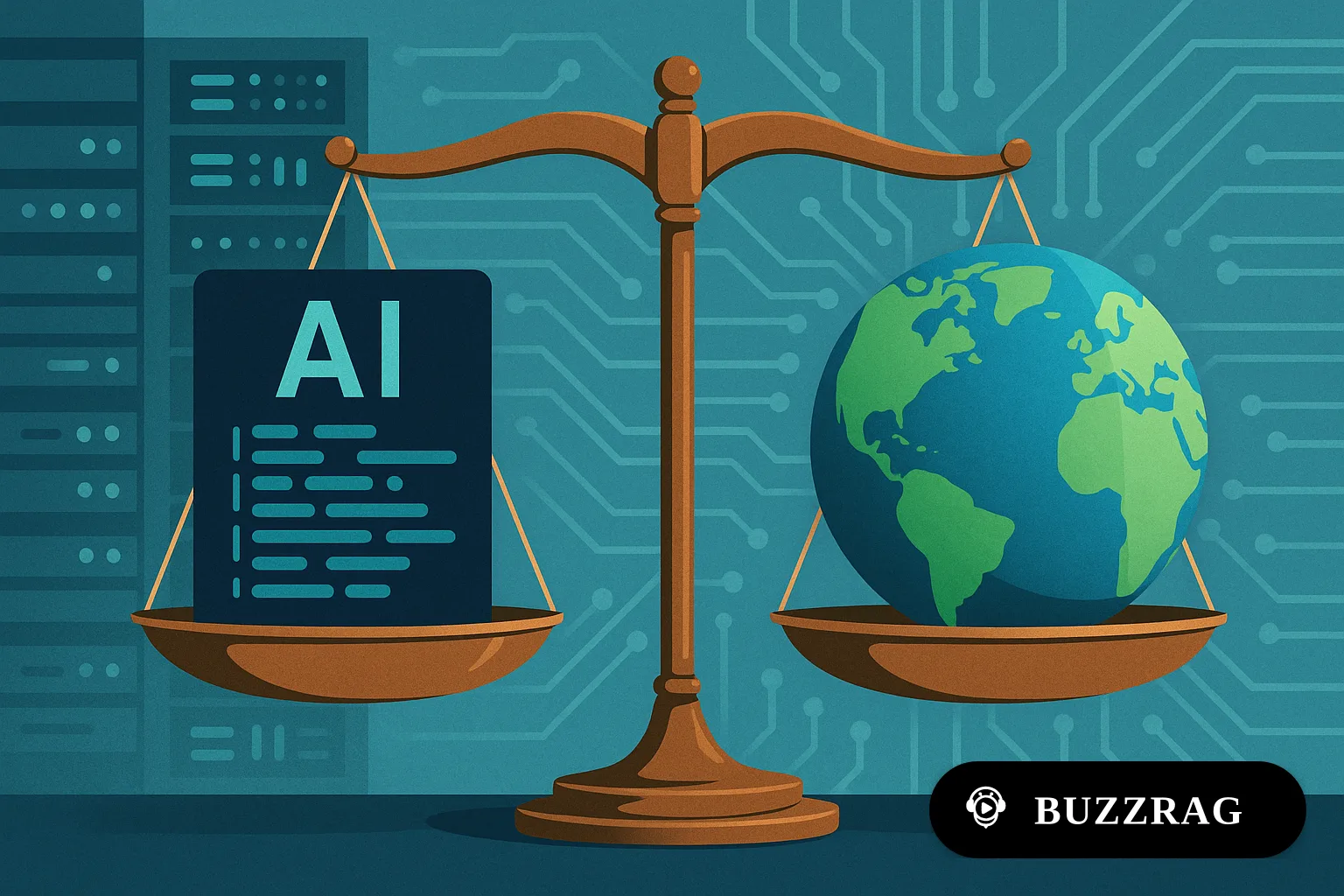
Today's BuzzRAG Daily Digest highlights the intersection of technology and nature. From increasing gas power projects due to data center expansions in the US to the spectacle of an upcoming lunar eclipse, these stories shape our understanding of progress and its impacts.
US Gas Power Expansion Fueled by Data Centers
The rapid expansion of data centers in the United States has triggered a significant increase in gas power projects, marking a substantial shift in the country's energy landscape. As these digital hubs proliferate, the demand for energy surges, encouraging the construction and proposal of new gas-powered facilities.
This trend raises critical environmental concerns, as the reliance on fossil fuels could undermine efforts to transition to renewable energy sources. The growing energy demand from data centers highlights the need for sustainable solutions that balance technological growth with environmental stewardship.
Industry experts and environmentalists are closely monitoring this development, advocating for policies that encourage the adoption of cleaner energy technologies. The outcome of this trend could significantly impact the US's ability to meet its climate goals.
Astronauts Gear Up for Crucial ISS Spacewalk
Today, NASA astronaut Anil Menon and France's Sophie Adenot will embark on a critical spacewalk to replace a failed antenna on the International Space Station (ISS). This mission underscores the ongoing maintenance efforts required to ensure the station's operational integrity and the safety of its crew.
The replacement of the space-to-ground antenna is vital for maintaining robust communication channels between the ISS and Earth. Such repairs are a testament to the intricate engineering and international collaboration that underpin the success of space missions. As the astronauts step into the vacuum of space, they carry the weight of decades of advancements in space technology.
The spacewalk is being closely watched by space enthusiasts and professionals alike, providing a front-row seat to the challenges and triumphs of human space exploration. This event continues to inspire future generations to look beyond our planet.
How to Catch the Upcoming 'Blood Moon'
Astronomy enthusiasts are gearing up for a spectacular celestial event—the partial lunar eclipse on August 27-28, which promises a 96% 'blood moon'. This phenomenon occurs when the Earth's shadow covers most of the moon, giving it a reddish hue.
This eclipse is set to be the most prominent until New Year's Eve 2028, making it a must-see for sky gazers. It offers a unique opportunity to observe the interplay of Earth, sun, and moon, showcasing the dynamic nature of our solar system. Such events remind us of the beauty and complexity of celestial mechanics that govern our night skies.
Amateur astronomers and casual observers alike are preparing their telescopes and cameras to capture the event. The eclipse not only offers a visual treat but also serves as a reminder of the scientific phenomena that connect us to the cosmos.
Indonesia's Battle with Wildfires Intensifies
Indonesia's central and western regions are currently grappling with severe wildfires that have devastated forests and peatlands. The resulting smoke has enveloped several cities in a choking haze, prompting communities to gather in prayer for rain.
These fires have raised alarm over the environmental and health impacts on the population, as well as the long-term effects on biodiversity and climate change. The blazes are often exacerbated by slash-and-burn practices and prolonged dry conditions, highlighting the urgent need for sustainable land management and fire prevention strategies.
As the country struggles to contain the fires, international aid and cooperation may play a crucial role in addressing this crisis. The situation underscores the global nature of environmental challenges and the shared responsibility to find solutions.
As we reflect on today's stories, the balance between technological advancement and environmental responsibility remains a central theme. Looking ahead, how we address these challenges will shape our world for generations to come.