BuzzRAG Growth Desk — 2026-08-25

Curated by AI. James Emeka, Personal Development Editor
Today's digest navigates the complex landscape of parenting, with strategies to manage stress and anger. We also delve into the evolving understanding of ADHD in adults, the financial challenges facing AI labs, and the unique benefits of high-intensity exercise. These topics offer research-backed insights for personal growth and wellness.
Managing Parental Rage: Techniques for Stress Relief
In the challenging journey of parenthood, managing stress and anger is crucial. Cassidy Freitas, a licensed marriage and family therapist, highlights the importance of 'finding refuge in the margins.' Her book, 'Mom Needs A Moment,' provides practical tools for parents to pause and recalibrate before reacting in moments of frustration.
Freitas emphasizes the need for parents to recognize their triggers and develop strategies to prevent outbursts. Her approach is grounded in creating micro-moments of calm and reflection, allowing parents to respond rather than react. This shift not only benefits the parent-child relationship but also contributes to a healthier home environment.
As families navigate busy schedules and high demands, these insights offer a pathway to improved emotional regulation. By integrating these practices, parents can foster a more serene and responsive parenting experience.
AI's Financial Prospects Under Scrutiny
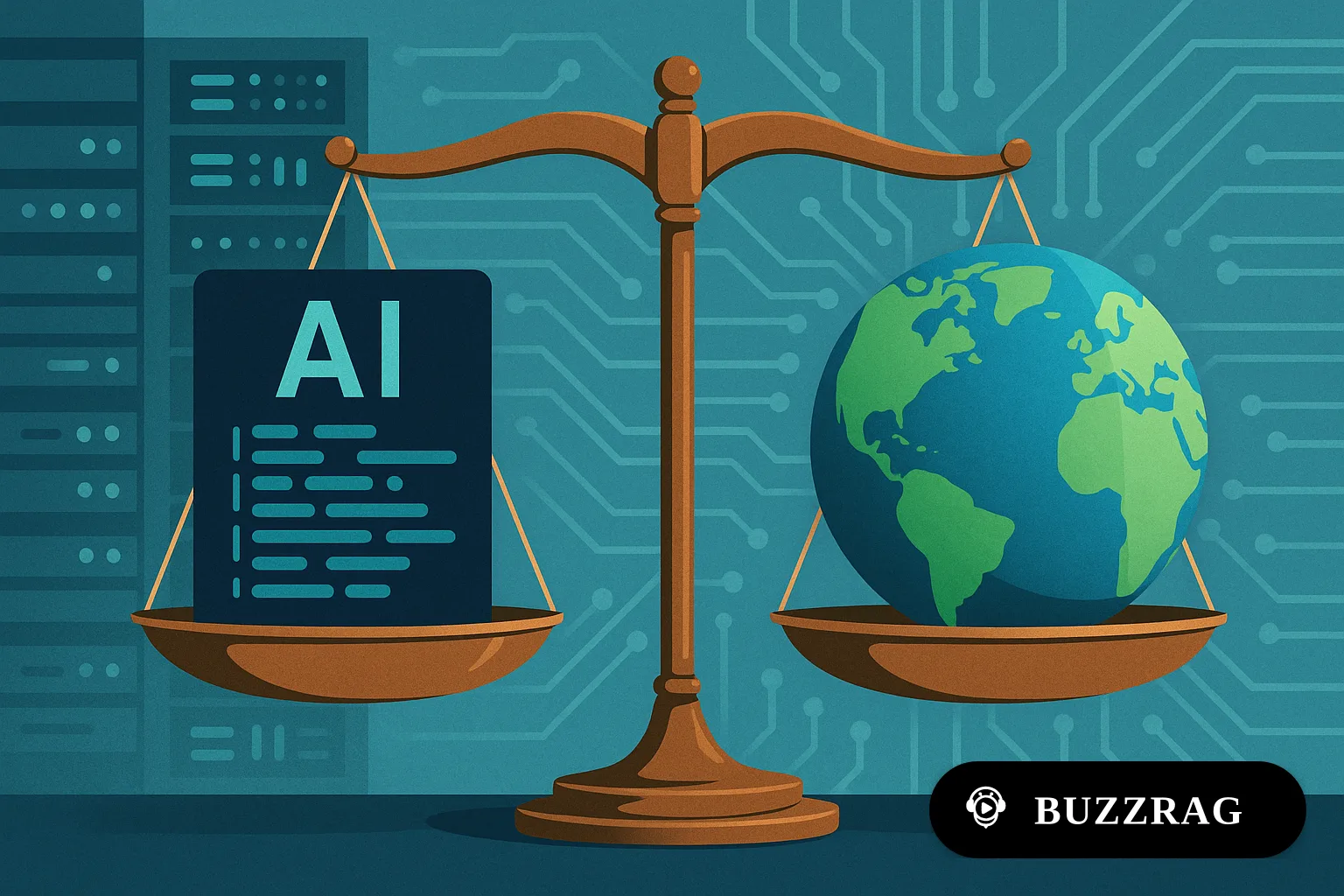
The AI sector is under the microscope as concerns rise about the financial stability of leading AI labs. Recent reports indicate that these companies face significant challenges as they prepare for potentially record-breaking IPOs. This raises questions about the long-term sustainability and profitability of AI advancements.
Cal Newport's analysis suggests that while AI continues to make technological strides, the financial underpinnings are less certain. Investors and stakeholders are closely watching as these labs balance innovation with economic viability. The implications for the tech industry are profound, affecting everything from investment strategies to employment trends.
The unfolding situation underscores the need for cautious optimism in AI's future. As the sector grapples with these financial realities, stakeholders must weigh the potential benefits against the economic risks inherent in rapid technological progress.
Rethinking ADHD: Adult Perspectives
ADHD is often dismissed as a childhood disorder, but for millions of adults, it's an ongoing challenge. Recent insights reveal how adults, often undiagnosed for decades, navigate the complexities of ADHD, reshaping the narrative around this condition. The recognition of ADHD in adulthood is crucial for effective management and support.
PositivePsychology.com highlights how undiagnosed ADHD can lead to burnout, with many adults compensating through overwork and masking. This not only impacts personal well-being but also professional performance. The stereotype of ADHD as a childhood issue fails to address the nuanced realities faced by adults.
By embracing a neuro-affirmative approach, professionals can better support adults with ADHD, fostering environments that acknowledge and leverage their strengths. This shift in perspective is vital for creating inclusive workplaces and communities.
The Molecular Impact of High-Intensity Sprints
A groundbreaking study reveals that high-intensity sprints can induce unique molecular changes in the bloodstream. This finding is drawing attention to how different exercise intensities elicit distinct physiological responses. Such research underscores the potential of sprints to offer specific health benefits beyond traditional exercise routines.
Scientists are keen to understand how these molecular changes can influence overall health and fitness. The study, corroborated by NPR Topics: Health, suggests that incorporating sprints into exercise regimens could optimize cardiovascular and metabolic health. This adds a new dimension to the conversation about exercise efficiency and effectiveness.
For fitness enthusiasts and health professionals, these insights highlight the importance of varied exercise routines. As we learn more about the body's molecular responses, personalized fitness plans could become more precise, enhancing health outcomes and performance.
As we look ahead, the evolving landscape of AI and mental health will continue to shape discussions in tech and wellness. Keeping an eye on these developments will be crucial for staying informed about the broader implications for society and individual growth.