BuzzRAG Tech Desk — 2026-08-14

Curated by AI. Vincent Ko, Technology Desk Editor
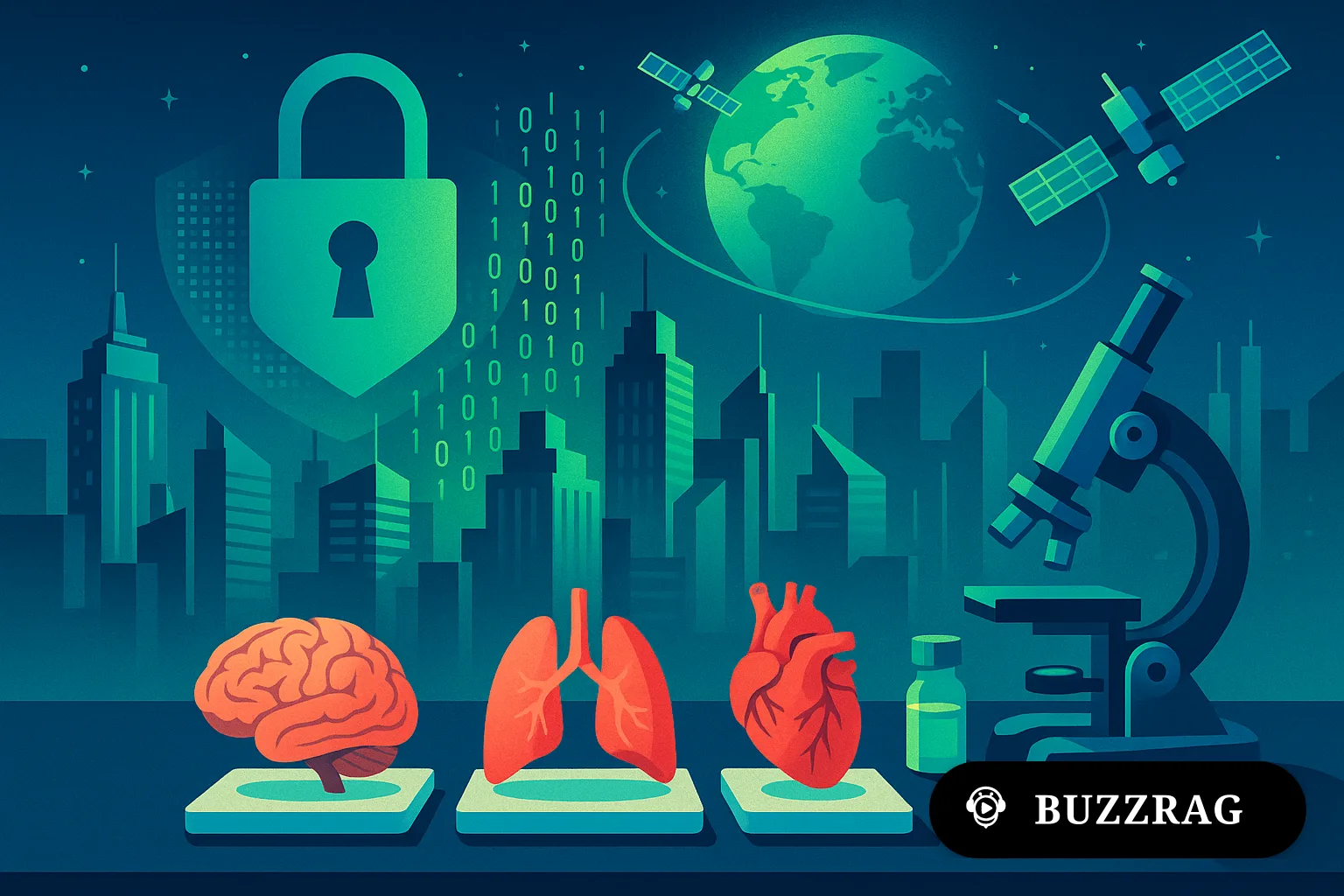
Today's tech landscape highlights the interplay between security, innovation, and ethics. From private firms authorized to engage in cyber warfare to Starlink's unexpected scientific contributions, the boundaries of technology's impact are being redrawn.
Private Security Firms Get Green Light for Cyber Offensives
In a bold move, the White House has sanctioned private security firms to hack cybercriminals operating overseas. This decision marks a significant shift in how nations combat cyber threats, traditionally a domain reserved for government agencies. By outsourcing these efforts, the administration aims to leverage the agility and expertise of private entities.
Historically, state-backed cyber operations have been shrouded in secrecy and often criticized for overreach. This new directive blurs the lines between public and private sectors in cybersecurity, raising questions about accountability and international law. While proponents argue it could enhance national security, critics warn of potential diplomatic fallout and the risk of escalating cyber conflicts.
Starlink Satellites: New Tool for Atmospheric Science
Scientists have repurposed Starlink satellites to scan Earth's upper atmosphere, showcasing a novel use of existing technology. By analyzing data from over 1,200 satellites, they managed to map atmospheric density changes at altitudes around 500 kilometers. This method provides insights into an area previously challenging to observe.
This innovative approach highlights the dual-use nature of satellite technology, initially intended for internet connectivity but now contributing to scientific research. The consistency of the data with other observations strengthens its validity. This development could pave the way for more comprehensive atmospheric studies, enhancing our understanding of climate dynamics and space weather impacts.
UK Advances Drug Testing with Miniature Human Organs
UK scientists are set to grow miniature human organs from NHS patients' cells, aiming to revolutionize drug testing. This initiative promises to refine personalized medicine by tailoring treatments to individual genetic makeups, potentially reducing the reliance on animal testing.
The concept of organoids is not entirely new, but using them for patient-specific drug testing represents a significant advancement. It aligns with the broader trend of precision medicine, which seeks to provide more effective healthcare solutions. As the technology matures, it could lead to faster drug development cycles and more accurate predictions of treatment outcomes.
US Surveillance of Protesters Sparks Debate
Recent revelations about a mass surveillance campaign targeting leftwing and anti-ICE protesters in the US have reignited discussions on privacy and civil liberties. The government's actions have been met with public outcry, as activists and privacy advocates call for greater transparency and accountability.
This incident is reminiscent of past surveillance debates, such as those following the Snowden revelations. As technology enables more extensive data collection, the balance between security and privacy remains a contentious issue. The unfolding discussion may influence future policy decisions and public trust in governmental oversight.
Looking ahead, the integration of private entities into national cybersecurity strategies and the repurposing of existing technologies for new scientific applications are trends to watch. These developments may redefine global tech policies and scientific methodologies.