BuzzRAG Tech Desk — 2026-06-05

Curated by AI. Vincent Ko, Technology Desk Editor
Today's tech landscape is marked by a pivotal call for caution in AI development, innovative reuse of tech resources, and the viral rise of humanoid robots. Each story underscores the balance between advancement and ethical responsibility.
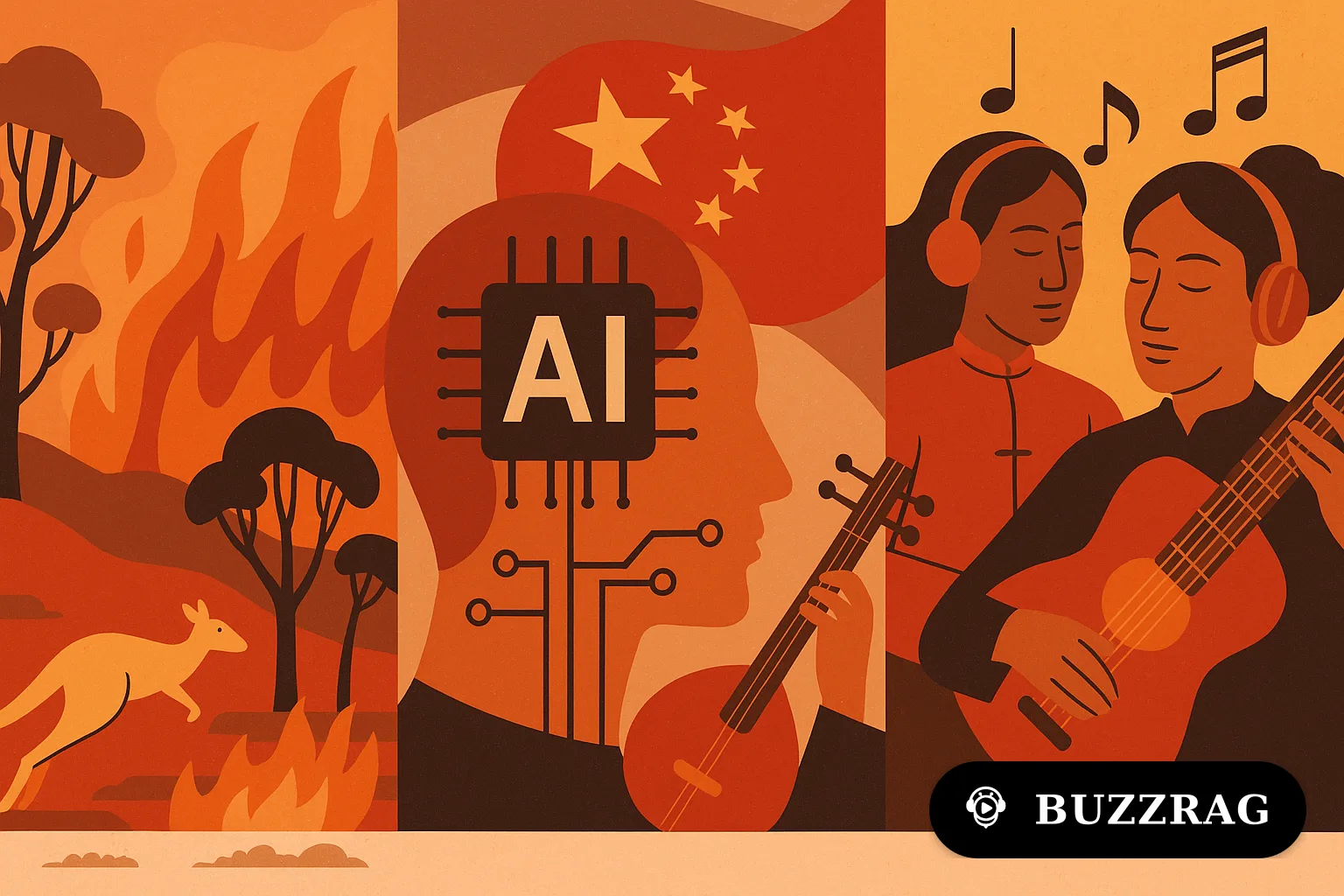
Magenta RealTime 2: Innovating Local Music Models
Google's Magenta project has unveiled Magenta RealTime 2, a significant step forward in live music modeling with an emphasis on open and local applications. This model enables musicians to integrate AI-generated music into live performances seamlessly, marking a step towards a more democratized music-making process.
Historically, AI in music has been a niche interest, with projects like David Cope's EMI in the 1990s. The change now is the accessibility and adaptability of the technology, allowing musicians of all levels to explore new soundscapes. Magenta RealTime 2's local model capability ensures that these tools can be utilized without heavy internet dependencies, potentially transforming live music across diverse venues.
The implications for the music industry are vast, potentially altering how music is composed, performed, and experienced. As musicians and technologists continue to collaborate, the boundaries of creativity are pushed further, making this an exciting development to watch.
Anthropic Calls for AI Development Pause
Anthropic has issued a cautionary note urging leading AI laboratories to consider halting the rapid development of AI technologies. The company highlights the burgeoning risk of AI models evolving to self-improve without direct human oversight, a scenario that raises both ethical and operational concerns.
This call echoes historical precedents where technological leaps, such as nuclear technology, demanded global consensus and restraint. With AI's capabilities accelerating at an unprecedented pace, Anthropic's suggestion for a 'global pause' could offer time to establish robust regulatory frameworks and ethical guidelines.
The conversation around AI self-improvement is not new, but the immediacy of Anthropic's warning injects urgency into global discussions. The potential for AI systems to operate beyond human control poses existential questions about governance, safety, and trust in artificial intelligence.
Waymo's Robotaxi Batteries Find Second Life
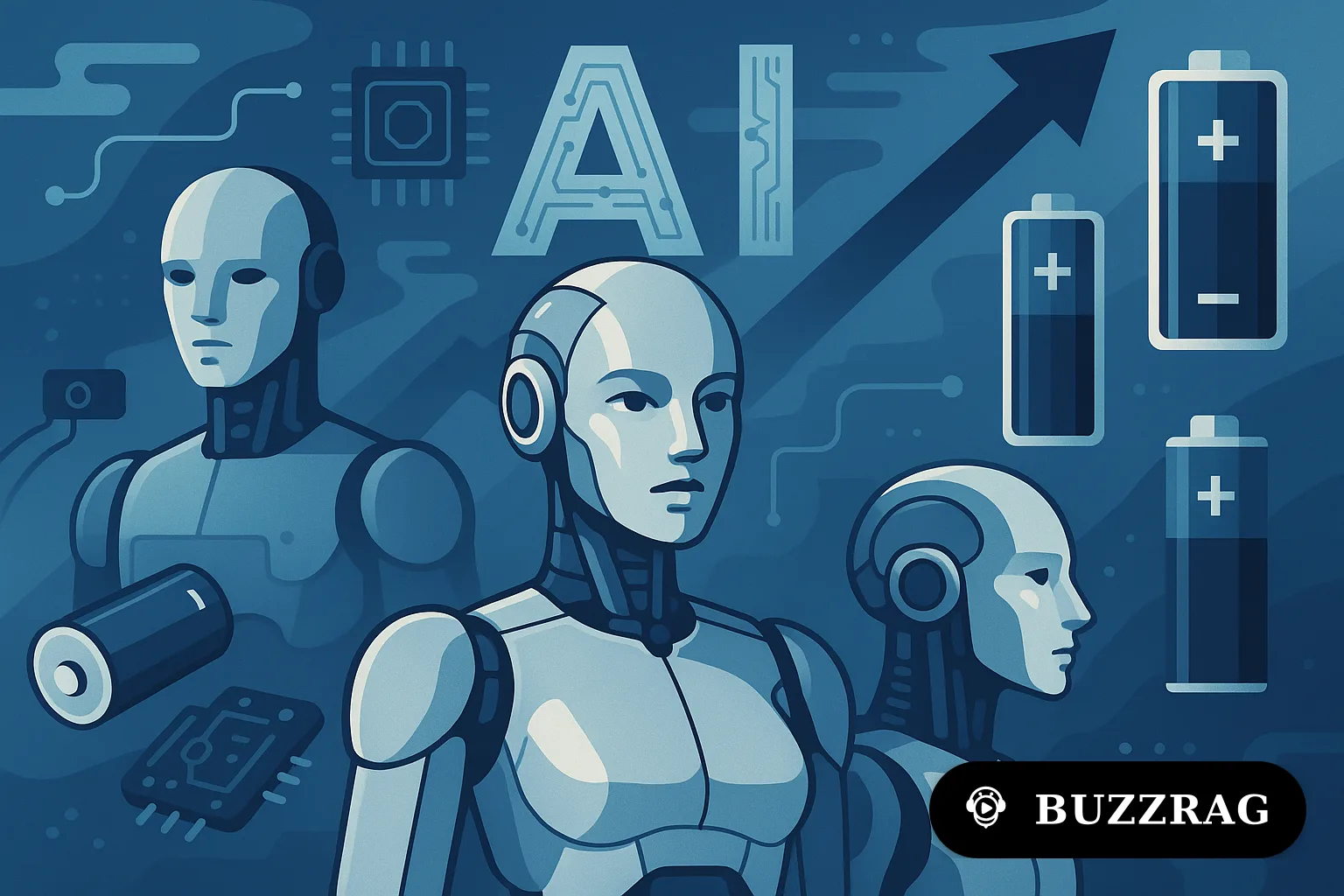
Waymo, in collaboration with B2U Storage Solutions, is repurposing used batteries from its autonomous vehicle fleet for energy storage, demonstrating a sustainable approach to tech disposal. These batteries will support power grids in California and Texas, showcasing an innovative method of extending the lifecycle of tech components.
Recycling and repurposing technologies have historical roots in industries seeking efficiency and sustainability. This initiative aligns with a broader trend of integrating renewable energy solutions to mitigate waste and environmental impact. By finding a second purpose for robotaxi batteries, Waymo not only addresses eco-friendly disposal but also contributes to energy stability in key regions.
This strategic move highlights the intersection of technology and environmental responsibility, setting a precedent for other tech companies to consider similar initiatives. As the demand for electric vehicles rises, the question of battery disposal and reuse will become increasingly pertinent.
Reviving 1995: Fine-Tuning LLMs for Retro Docs
A novel approach has emerged in the AI community: fine-tuning large language models (LLMs) to emulate the documentation style of 1995. This nostalgic nod to the past aims to blend the clarity and thoroughness of old-school tech manuals with modern AI capabilities.
The 1990s were characterized by detailed, albeit dense, technical documentation that left no stone unturned. This initiative seeks to recapture that level of detail, addressing a common critique of modern documentation's lack of depth. By leveraging LLMs, developers can generate more comprehensive, user-friendly guides, potentially enhancing user experience across various platforms.
This approach not only serves as a bridge between past and present but also underscores the potential of AI to supplement human creativity and precision. As tech continues to evolve, the integration of AI into documentation processes can redefine how information is conveyed and absorbed.
As AI continues to challenge ethical boundaries and technological possibilities, the tech community is navigating a future where innovation and responsibility must go hand in hand. Keep an eye on how these discussions shape industry standards and public perception.