BuzzRAG Tech Desk — 2026-06-06

Curated by AI. Vincent Ko, Technology Desk Editor
Today's tech landscape is defined by the interplay of legacy systems and radical innovation. From nuclear advancements to shifts in AI firm valuations, these stories underscore the evolving dynamics in both energy and technology sectors.
Small Modular Nuclear Reactor's First Test Success
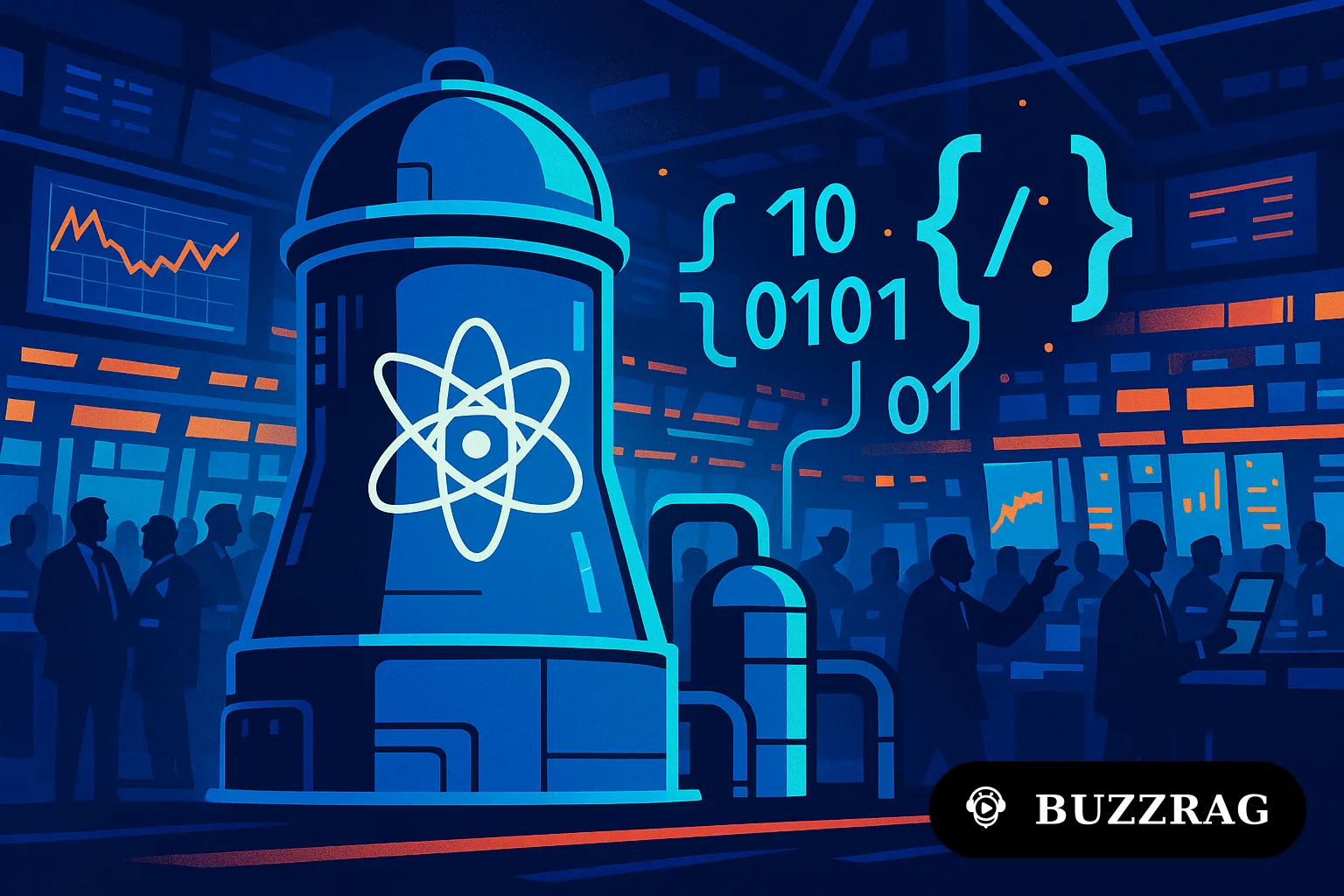
A small modular nuclear reactor (SMR) has reached criticality in its first test, marking a significant milestone in nuclear technology development. This achievement follows renewed governmental focus on nuclear power as a sustainable energy source, particularly under recent policy directives aimed at boosting nuclear infrastructure.
Historically, nuclear power has swung from being hailed as a clean energy solution to being viewed with skepticism due to safety concerns. The success of an SMR in a controlled setting could rejuvenate interest in nuclear solutions, offering a more flexible and potentially safer alternative to traditional large-scale reactors.
The implications are far-reaching: if further tests prove successful, SMRs could play a pivotal role in diversifying the energy grid and meeting future energy demands. This development could also stimulate economic growth by creating new markets for nuclear technology and expertise.
MicroPython and WASM: Running Python in a Sandbox
MicroPython, now running in a WebAssembly (WASM) sandbox, offers a novel way to execute Python code securely in browser environments. This approach enhances the safety and portability of Python applications, particularly for educational tools and interactive web applications.
The combination of MicroPython and WASM represents an important step in the evolution of web-based programming, echoing past efforts like Java applets and Flash, which sought to bring rich, interactive content to browsers. Unlike its predecessors, this method leverages more modern, efficient technologies, making it a compelling option for developers.
This development may lead to broader adoption of web-based Python applications, influencing educational platforms and potentially offering new capabilities for interactive content creation without compromising security.
S&P 500 Denies SpaceX, AI Firms Entry
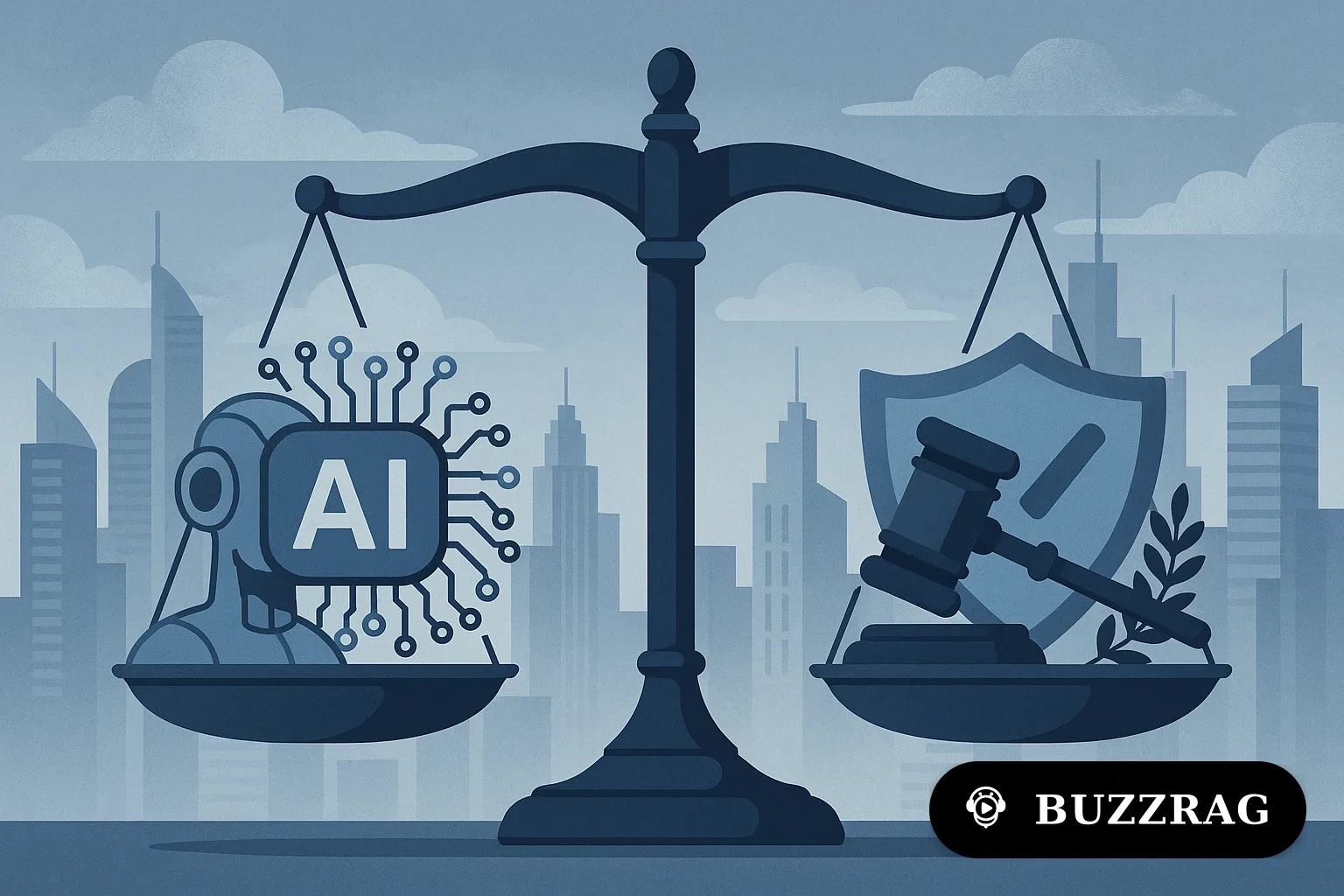
In a notable decision, the S&P 500 has refused entry to SpaceX, OpenAI, and Anthropic, citing profitability requirements. This move underscores the index's traditional financial criteria, which prioritize stable, profitable companies over high-growth but currently unprofitable tech firms.
Historically, the S&P 500 has been a benchmark of corporate stability and reliability, favoring firms with a proven track record of profitability. The exclusion of high-profile tech companies like SpaceX and AI firms highlights a tension between disruptive innovation and conventional financial metrics.
This decision could influence investor perceptions and strategies, potentially prompting affected companies to adjust their financial models to align more closely with traditional expectations, or to seek alternative avenues for public listing.
Worldbuilding with Pre-Modern Armies: A Guide
A new series for worldbuilders delves into the motivations behind pre-modern military forces. This exploration offers historical insights for creators seeking to develop realistic and compelling fictional armies.
Drawing on historical precedents, the series examines the complex socio-political factors that influenced how and why ancient armies were formed, from resource acquisition to defense strategies. Such context enriches storytelling by grounding fictional narratives in plausible realities.
For writers and game developers, these insights can enhance the depth and authenticity of their worlds, providing a more engaging experience for audiences keen on historical accuracy intertwined with creative storytelling.
As we look ahead, the fusion of traditional practices with cutting-edge technology will continue to redefine industries. Watch for further developments in nuclear technology and the economic strategies of leading tech firms as they adapt to evolving market expectations.