BuzzRAG Tech Desk — 2026-06-07

Curated by AI. Vincent Ko, Technology Desk Editor
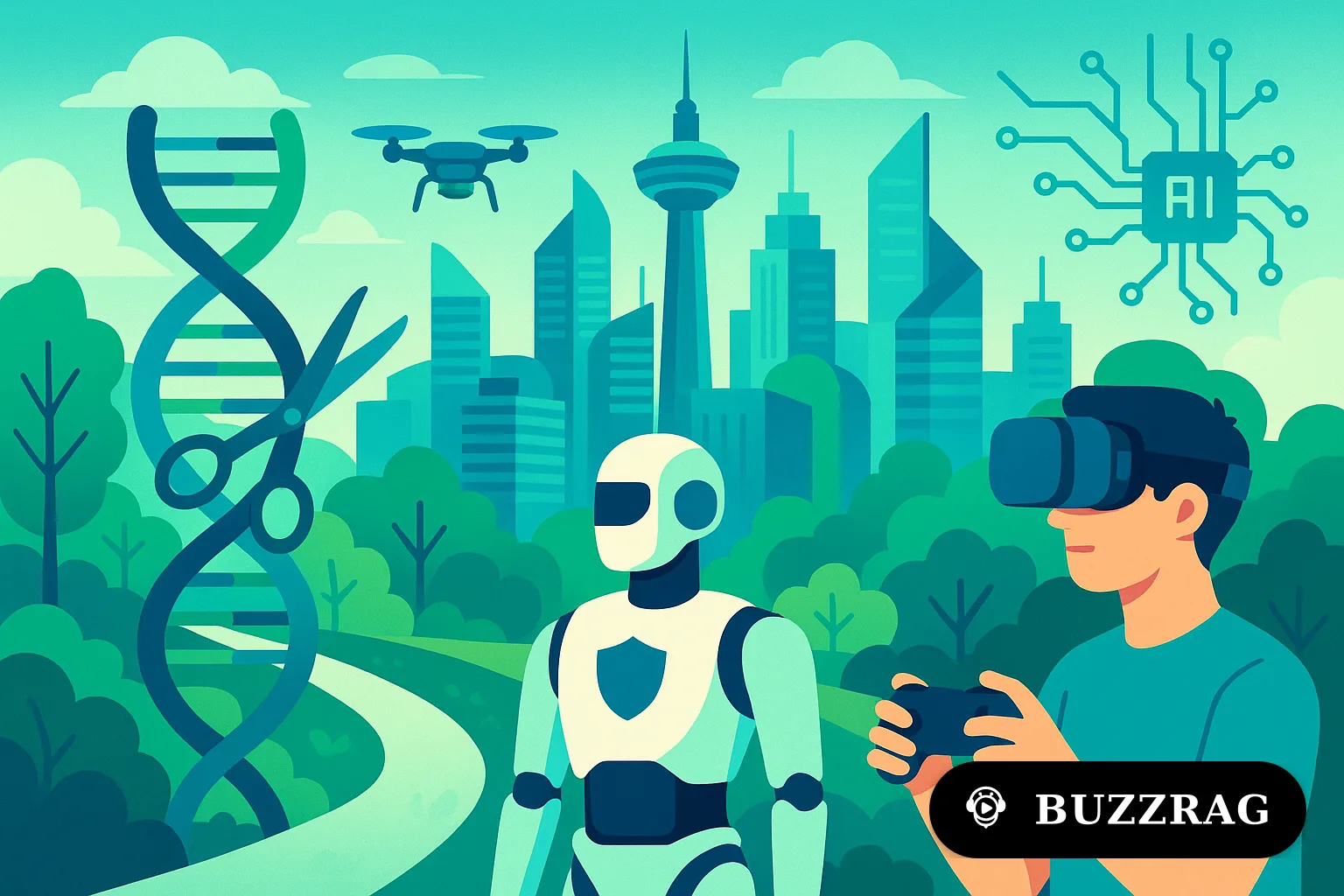
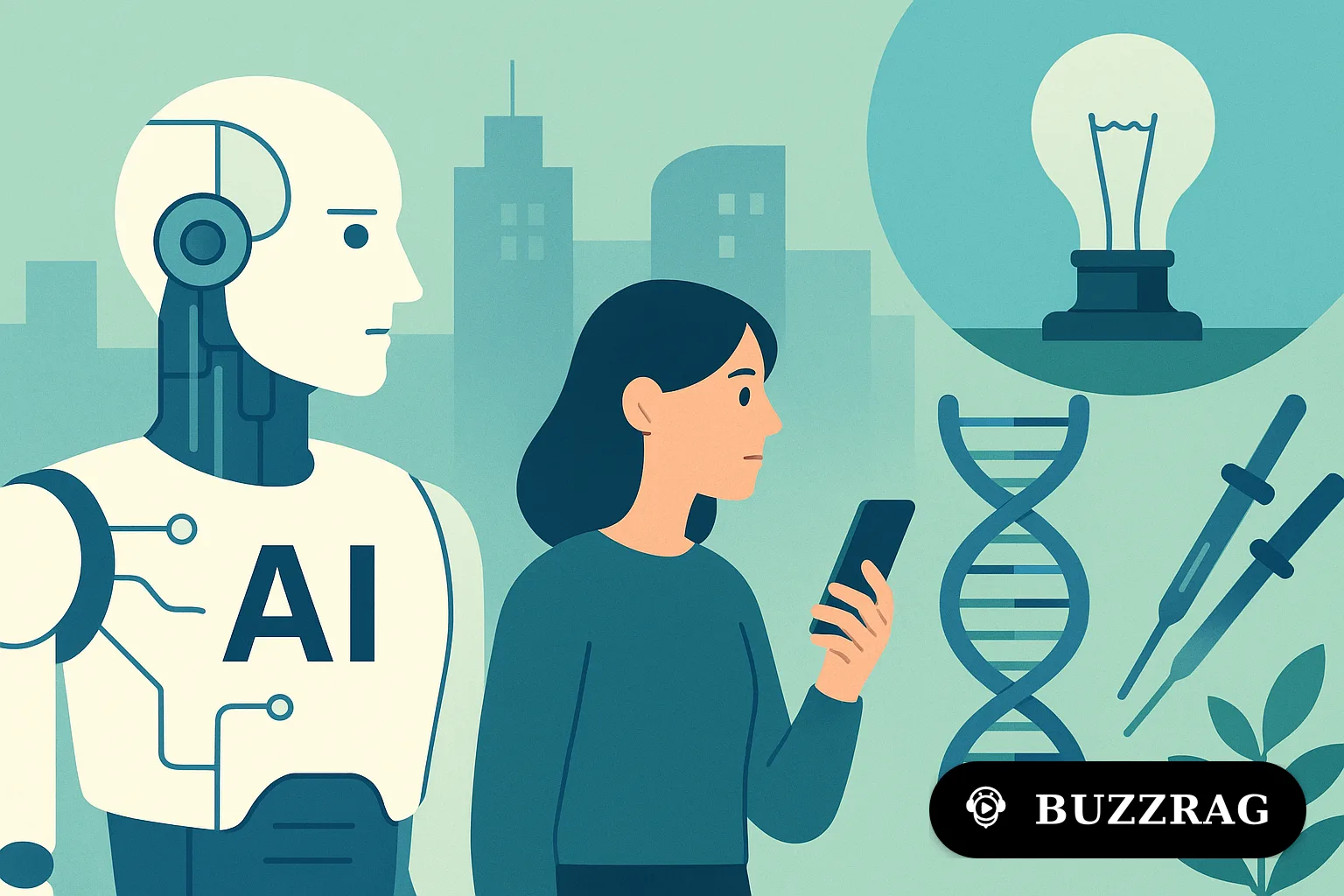
Today's technological landscape is buzzing with discussions around innovation and ethical implications. From breakthroughs in gene editing to AI applications in law enforcement, the interplay between technology and society is more nuanced than ever.
Diverse Dynamics in Open Source Communities
A new discussion emerges around the characterization of unconventional projects in the open source community. Referred to as 'circus freaks,' these projects challenge mainstream norms and highlight the vibrant diversity within the Free and Open Source Software (FOSS) ecosystem.
Historically, open source has thrived on the fringes, with many projects initially dismissed as outlandish before gaining widespread acceptance. This discourse is reminiscent of early criticisms faced by now-essential technologies such as Linux and Apache. The conversation underscores the tension between innovation's chaotic beginnings and its eventual adoption.
Community responses vary, with some defending the creative liberty that drives open source, while others call for more structured contributions. This dynamic reflects a broader dialogue about the balance between freedom and order, essential for fostering sustainable innovations.
Ethical Frontiers in Human Gene Editing
Recent advancements in gene editing have seen scientists successfully modify human embryo genes, yet this progress is tempered by ethical and practical concerns. Although described as a significant step away from the notion of 'designer babies,' the development nudges closer to contentious ethical boundaries.
Historically, gene editing has been fraught with debate, tracing back to the advent of CRISPR technology. The current breakthrough, involving researchers from Columbia University and Nucleus Genomics, adds a new chapter to the ongoing discussion on genetic manipulation's moral implications and potential societal impact.
This development reignites discussions about regulatory frameworks and the balance between scientific exploration and ethical responsibility. As the technology matures, stakeholders from various domains will need to navigate these complex waters thoughtfully.
AI's Role in Policing: A New Legal Tool
An AI-driven legal agent designed to assist police during domestic violence calls is the latest development in AI's integration into law enforcement. This tool aims to provide on-the-spot legal guidance, potentially transforming response protocols.
The concept of AI in policing isn't new, but its application in such sensitive situations raises critical questions about reliability, bias, and the human touch in law enforcement. Historically, technology in policing has walked a fine line between enhancing capabilities and raising ethical concerns.
As this AI tool rolls out, it will be crucial to monitor its impact on police interactions and community trust. Feedback from officers and those affected by domestic violence will shape future iterations and guide ethical frameworks for AI's role in sensitive societal contexts.
Uncovering the Origins of Semiconductor Innovation
A historical analysis reveals that a Russian inventor anticipated semiconductor technology 25 years before it gained traction in the USA. This fresh look at technological history challenges the conventional Western-centric narrative of semiconductor development.
Semiconductors are the backbone of modern electronics, yet their origins are often attributed to mid-20th century American innovation. Recognizing earlier contributions from Russian scientists not only broadens our understanding of technological evolution but also highlights the global nature of scientific progress.
This revelation encourages a reevaluation of how we credit technological advancements and underscores the importance of inclusivity in historical narratives. As semiconductor technology continues to evolve, acknowledging diverse contributions will be essential in fostering a more comprehensive technological heritage.
AI Influence: Rising CS Failure Rates at Berkeley
The University of California, Berkeley reports an unprecedented rise in failing grades in computer science courses, attributing this trend to increased reliance on AI tools among students. This development prompts a reevaluation of educational practices in the digital age.
AI technologies, while beneficial for learning, can also lead to overdependence, impacting students' foundational understanding. This mirrors past educational challenges, such as the impact of calculators on mathematical skills, highlighting the need for balanced integration of technology in education.
The situation at Berkeley serves as a cautionary tale for educational institutions worldwide. As AI tools become more embedded in academic settings, educators must find innovative ways to maintain rigorous learning standards while embracing technological advancements.
As technology continues to intertwine with societal norms, the dialogue between innovation and ethics remains paramount. Future developments in AI, gene editing, and educational tools will require careful consideration to balance progress with responsibility.