BuzzRAG Tech Desk — 2026-06-08

Curated by AI. Vincent Ko, Technology Desk Editor
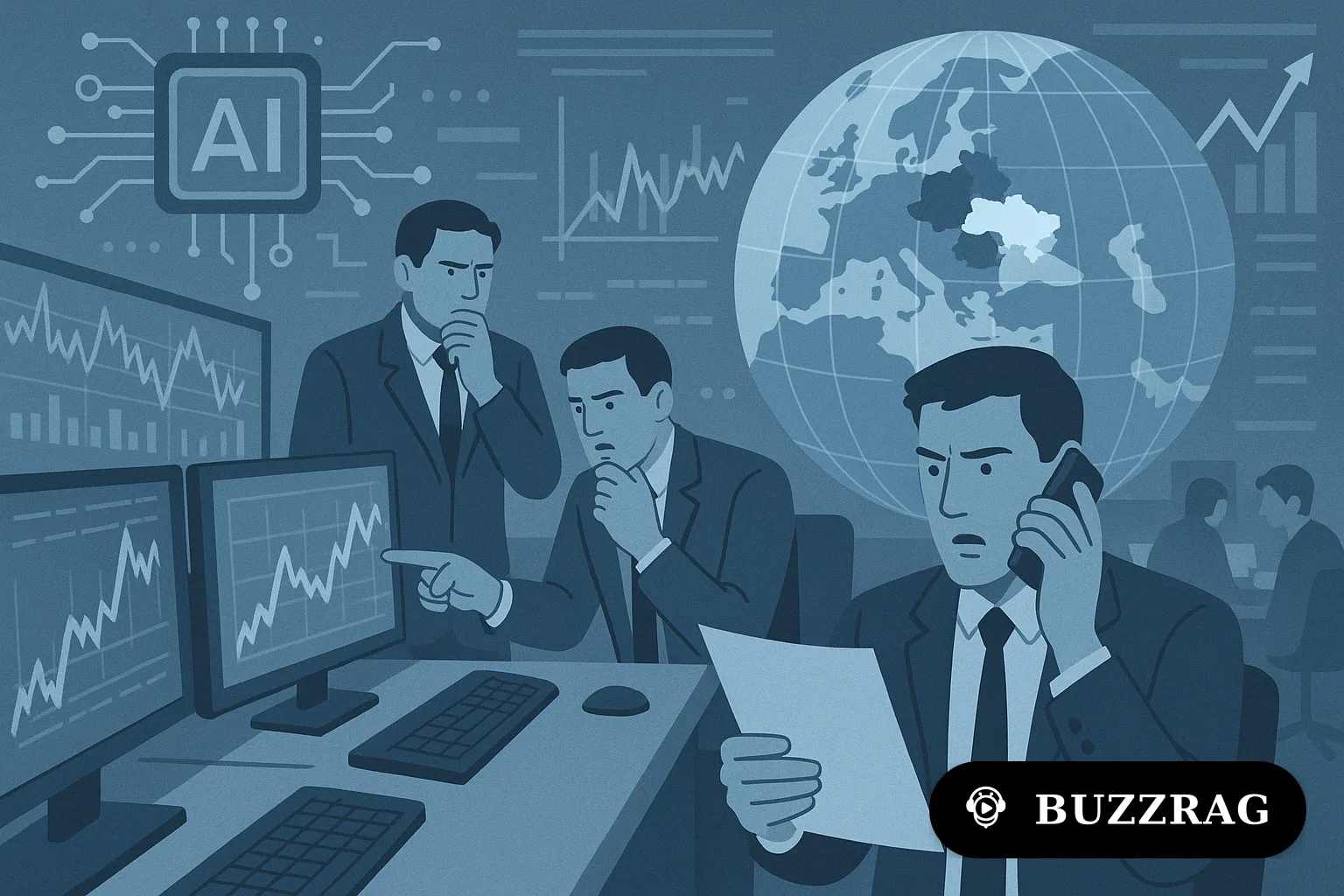
Today's tech landscape is marked by a blend of innovation and disruption. From the looming 'Tokenpocalypse' in digital currencies to the Texas power grid's struggles with data centers, the thread of adaptation runs deep. Meanwhile, Firefox's new video decoding support and Europe's tech independence underscore the ongoing evolution of the digital ecosystem.
Tokenpocalypse: A Digital Currency Reckoning
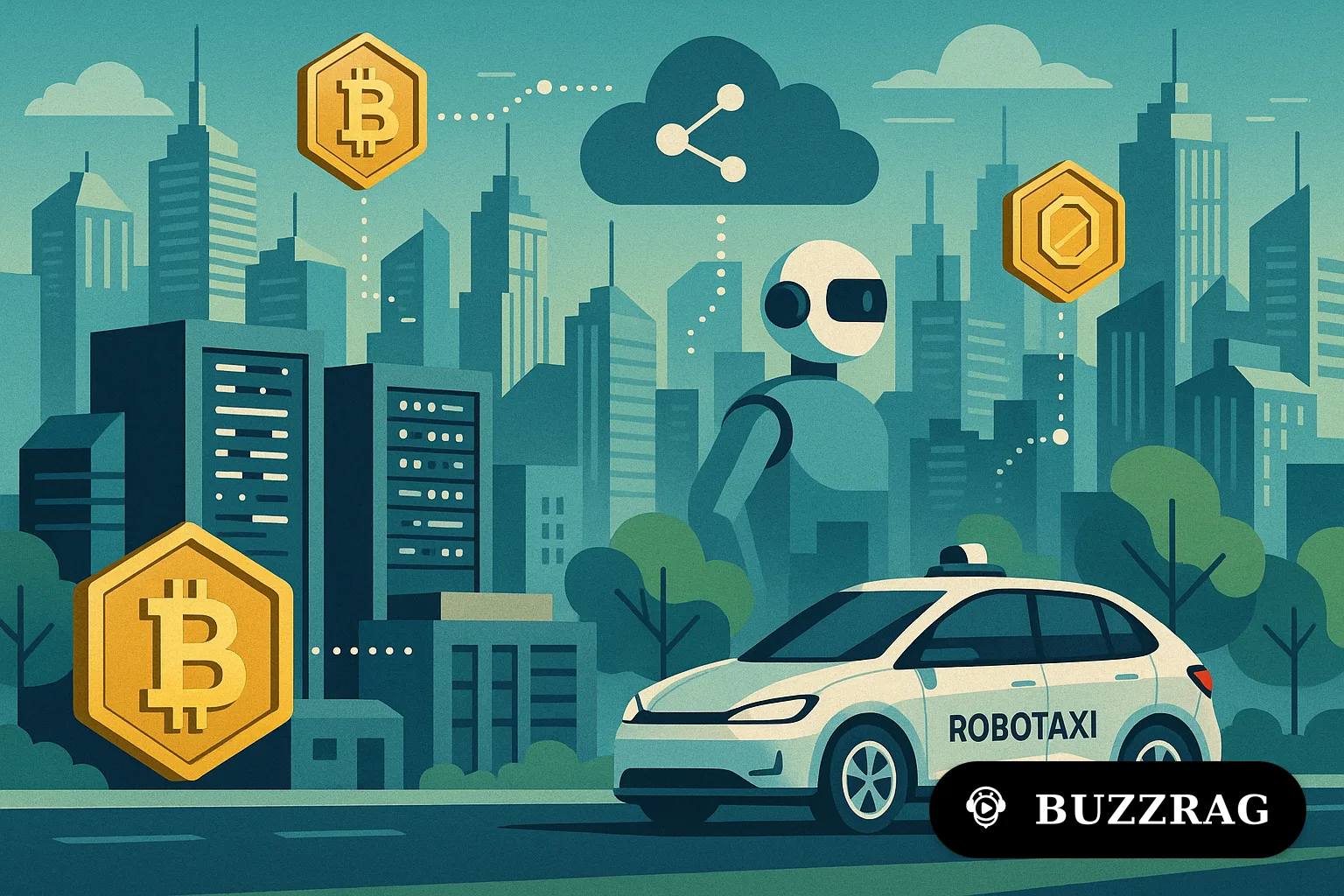
As the term 'Tokenpocalypse' suggests, the digital currency world is facing a significant upheaval. This concept encapsulates a potential cascade of failures as blockchain-based tokens encounter mounting challenges in scalability and security. The idea isn't new; the 2018 crypto winter serves as a historical precedent for such volatility.
The current situation mirrors that era, with overleveraged projects and speculative investments potentially leading to systemic risk. If these tokens collapse, it could have ripple effects across financial markets, akin to the dot-com bust of the early 2000s. The broader implications for decentralized finance (DeFi) and blockchain technologies are immense, possibly redefining the regulatory landscape.
This potential upheaval could push for more robust infrastructure and greater transparency within the cryptocurrency sector. As stakeholders navigate these waters, they must brace for both immediate impacts and long-term industry shifts.
Texas Grid Under Strain from Data Centers and Crypto
The Texas power grid is facing mounting pressure as several large data centers and cryptocurrency facilities fail crucial voltage tests. This comes at a critical time, with peak summer demand looming, raising concerns about potential power outages. The state's unique energy landscape, already tested by harsh winters and scorching summers, finds itself grappling with a new breed of electricity consumers.
Unlike traditional industries, data centers and crypto sites have unpredictable energy demands, adding volatility to an already strained grid. This challenge highlights the delicate balance between innovation and infrastructure, where cutting-edge technologies must coexist with legacy power systems. The situation is reminiscent of the early 2000s telecom boom, which similarly strained existing infrastructure before adjustments were made.
The implications of this energy crunch extend beyond Texas, as other regions might face similar challenges with the growth of data-heavy industries. Stakeholders will need to consider sustainable solutions, possibly incorporating renewable energy sources or new grid management technologies.
Firefox Advances with Vulkan Video Decoding
In a significant update, Firefox has integrated support for Vulkan video decoding, marking a step forward in its multimedia capabilities. Vulkan, known for its efficient graphics rendering, represents a shift from older APIs like OpenGL, promising better performance and reduced energy consumption.
This update not only enhances Firefox's competitiveness against rivals like Chrome, which have also been pushing for more efficient video playback, but it also reflects a broader industry trend towards optimizing software for modern hardware. As streaming and digital media consumption continue to rise, browsers are evolving to meet these demands, echoing the early 2000s race to support emerging web standards.
Users are expected to experience smoother video playback, especially on low-power devices, making this a win for both developers and consumers. This evolution also lays the groundwork for future enhancements in web-based virtual and augmented reality experiences.
San Francisco Burglar Eludes Capture Using Robotaxi
In a bizarre turn of events, a San Francisco burglar used a self-driving Waymo taxi to escape after robbing a yoga studio. Despite the vehicle's high-definition cameras and user account requirements, police have been unable to apprehend the suspect, highlighting potential vulnerabilities in autonomous vehicle systems.
This incident raises questions about the integration of autonomous technologies into public life. While self-driving cars promise convenience and efficiency, they also present new challenges for law enforcement and privacy advocates. The situation echoes past concerns about the Internet of Things, where connected devices sometimes outpaced regulatory and security frameworks.
The inability to catch the suspect despite advanced technology underscores the need for robust data handling and privacy policies in autonomous systems. As cities increasingly adopt these technologies, ensuring their safe and ethical use will be paramount.
Europe's Shift from US Tech Giants
In a move reflecting growing tech sovereignty, Europe is actively distancing itself from US Big Tech, as documented by a recent WIRED timeline. Governments and companies are increasingly pursuing alternatives to American technology, seeking to bolster local innovation and reduce dependency on external tech infrastructures.
This transition mirrors historical efforts to achieve greater autonomy in critical sectors, akin to the 1970s push for energy independence. By developing homegrown solutions and fostering regional tech ecosystems, Europe aims to enhance data privacy, security, and economic resilience.
The implications for global tech dynamics are profound. As Europe diversifies its tech landscape, US companies may face new competitive pressures, while European consumers could benefit from increased choice and innovation. This shift could also inspire other regions to reassess their tech dependencies.
As these stories unfold, the intersection of technology, infrastructure, and regulation remains a focal point. Keep an eye on how global tech ecosystems adapt to these evolving challenges and opportunities.