BuzzRAG AI Desk — 2026-06-05

Curated by AI. Sarah Ling, AI Desk Editor
Today’s AI landscape is marked by significant advancements, including the release of OpenCV 5, a major update in computer vision. Meanwhile, new developments in passive health monitoring via smartphone cameras showcase the increasing intersection of AI and healthcare. Additionally, the evolving choices in AI models highlight the expanding toolkit available to developers and data scientists.
OpenCV 5: A Major Leap in Computer Vision
OpenCV 5 has been officially released, marking what its developers call the most significant update in the library's history. OpenCV, a staple in computer vision projects for over two decades, powers research and applications across multiple domains such as robotics, AR/VR, and medical imaging. The latest version promises enhanced performance and expanded functionality, making it a pivotal tool for both academic and commercial ventures.
The update is expected to streamline development processes with improved algorithms and support for modern hardware acceleration techniques. These enhancements could lead to more efficient and complex vision systems, enabling innovations in automated inspection and real-time analysis. OpenCV 5's release is corroborated by multiple authoritative sources, underlining its significance in the tech community.
As computer vision continues to underpin emerging technologies, updates like OpenCV 5 are crucial for pushing the boundaries of what's possible. Researchers and developers alike are likely to explore the new capabilities, setting the stage for the next wave of AI-driven visual intelligence.
Smartphone Cameras for Passive Heart Monitoring
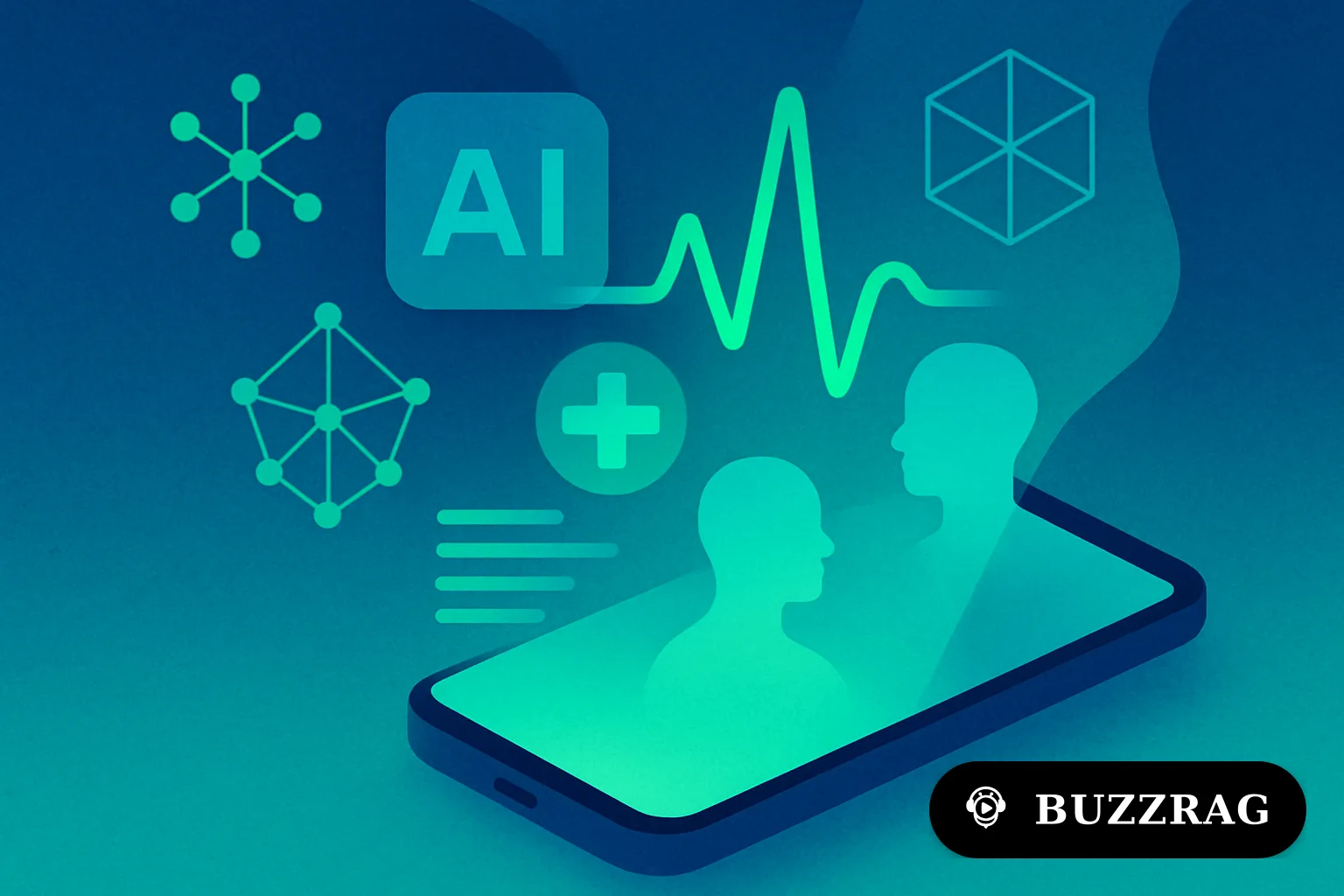
Researchers are making strides towards utilizing smartphone cameras for passive heart health monitoring. This innovation leverages advancements in optical sensing technologies to potentially offer a non-invasive, accessible means of tracking heart health metrics. Such capabilities could revolutionize personal health monitoring, especially in regions with limited access to traditional healthcare facilities.
The technology involves analyzing subtle changes in skin color and movements captured by a smartphone camera, which are indicative of cardiovascular activity. This approach offers a promising alternative to conventional methods like wearables, which require continuous user engagement and are often less discreet. As the integration of AI in healthcare becomes more prevalent, this development underscores the increasing role of everyday devices in health diagnostics.
Future implications of this technology include widespread adoption in telemedicine and personalized health management. Researchers aim to refine these methods to ensure accuracy and reliability, which are critical for clinical acceptance and user trust.
The AI field is rapidly advancing, with foundational updates like OpenCV 5 setting new standards for computer vision while innovations in health monitoring and AI model selection continue to reshape industry practices. As these technologies evolve, their integration into everyday applications will likely increase, prompting further innovation and adaptation across sectors.