BuzzRAG Sports Desk — 2026-08-15
Curated by AI. Marcus Tate, Sports Desk Editor
Today's top stories from the world of sports finance and law include a significant legal victory for Madison Square Garden, a high-profile NBA franchise sale, and evolving NFL rules that now touch on team executive roles.
MSG Secures Legal Victory in Long-Running Oakley Dispute
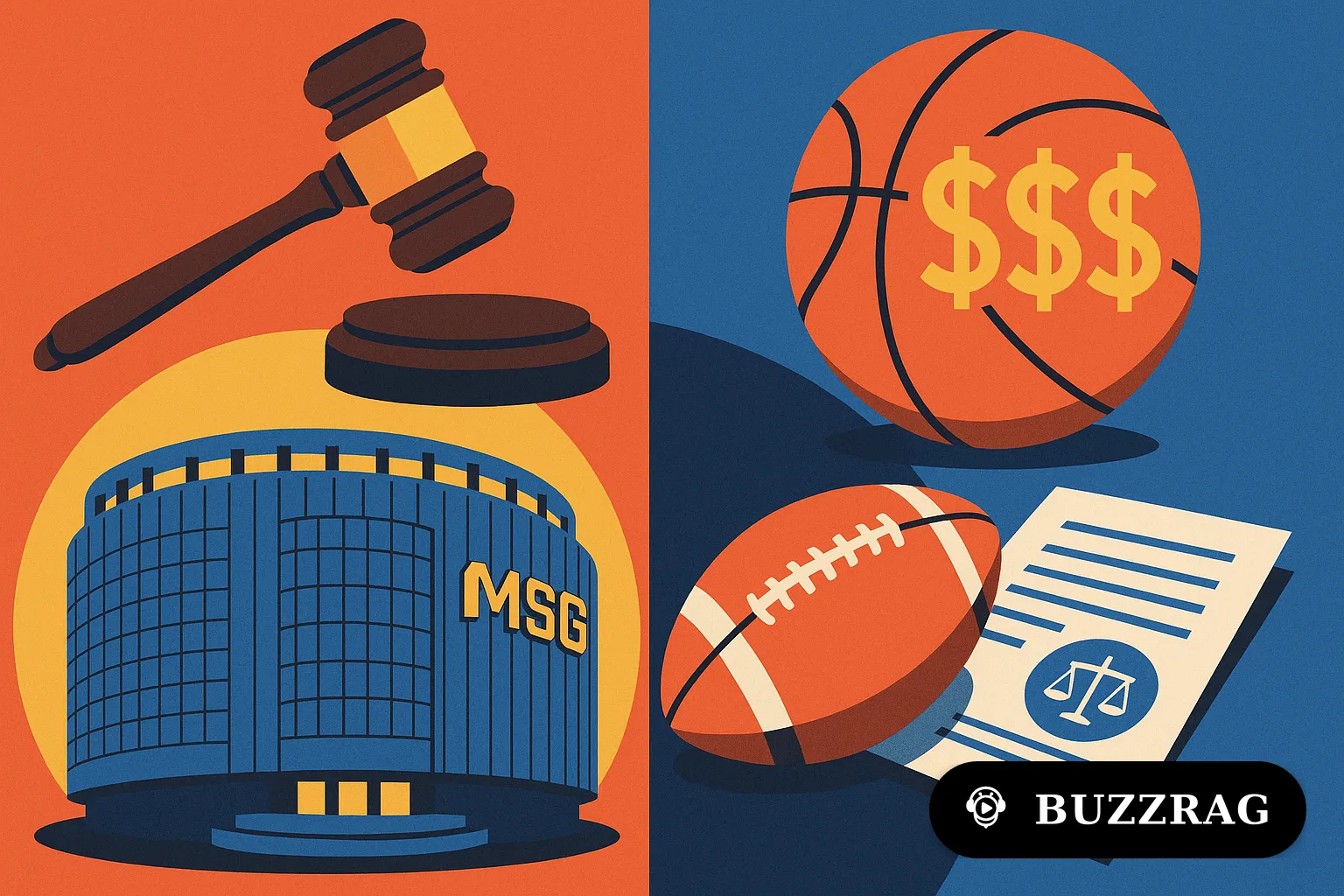
Madison Square Garden has achieved a significant legal victory in its protracted battle with former Knicks player Charles Oakley. A judge granted a summary judgment in favor of MSG, effectively ending a nine-year legal saga that began with a 2017 altercation between Oakley and MSG security personnel.
The court's decision underscores MSG's position that Oakley's claims were unfounded, marking a pivotal moment in a case that captured public attention due to its high-profile nature and the celebrity of the involved parties. The ruling is a financial and reputational win for MSG, allowing them to avoid the costs associated with a prolonged trial.
This development may influence how sports franchises handle disputes with former players, potentially setting a precedent for future interactions between teams and their past stars.
Unpacking the $12.5B Sale of the Lakers
In a surprising move, Mark Walter has sold the Los Angeles Lakers just ten months after acquiring the NBA team for a record-setting $12.5 billion. The sale raises questions about Walter's motivations and the underlying factors driving such a rapid turnaround.
Market analysts are speculating about the strategic considerations behind Walter's decision, particularly given the Lakers' status as one of the league's most valuable franchises. The sale could reflect broader market dynamics or specific financial objectives that influenced Walter's exit strategy.
Observers will be keenly watching how this transaction impacts the NBA's financial landscape, especially in terms of franchise valuations and ownership stability amid shifting economic conditions.
NFL's New Rules Extend to Troy Aikman
The NFL has expanded its so-called 'Tom Brady Rules,' now encompassing former players like Troy Aikman who take on executive roles. Aikman, involved with the Miami Dolphins' recent GM and coach hires, is now subject to these guidelines.
These rules, initially designed to regulate the post-career activities of high-profile players, aim to prevent conflicts of interest and maintain competitive balance. Aikman's involvement with the Dolphins brings these regulations into focus, highlighting the NFL's commitment to oversight as former players transition into influential off-field roles.
The move signals the league's intent to adapt its governance structures to account for the increasing trend of ex-players moving into management, a development that could reshape team operations and league dynamics.
Trademark Tensions: Cubs, Nationals vs. WNBA
A trademark dispute has emerged involving the Chicago Cubs, Washington Nationals, and the WNBA, centering on the latter's filing for 'The W.' The MLB teams argue this could cause brand confusion.
This conflict underscores the complexities of trademark law in sports, where team identities and product lines often intersect. The Cubs and Nationals' concerns highlight potential impacts on merchandise sales and brand differentiation, critical revenue streams in professional sports.
The outcome of this dispute could set important precedents for intellectual property rights in sports, particularly as leagues and teams increasingly seek to protect their branding in a crowded market.
MLB's Strategic Event Placements Amid Labor Talks
Major League Baseball has announced its 2027 Field of Dreams game and the 2028 All-Star Game locations, amidst ongoing labor discussions with players. The Red Sox and Royals will headline the Field of Dreams event, while the Giants will host the All-Star festivities.
These announcements are strategically timed, potentially serving as a goodwill gesture during critical labor negotiations. By engaging fans and stakeholders through marquee events, MLB may aim to maintain positive sentiment and leverage in discussions with the players' union.
The backdrop of labor talks adds a layer of complexity to these announcements, as parties navigate contract negotiations that will shape the league's financial and operational future.
Tarleton State Eyes Move to FBS
Tarleton State University is actively exploring a move to join the Football Bowl Subdivision (FBS), a step that would elevate its athletic program to the top tier of college football. Discussions are underway as the Texans evaluate the financial and competitive implications of such a transition.
Joining the FBS involves meeting stringent requirements, including stadium capacity and scholarship offerings, which would require significant investment from the university. This move could enhance Tarleton State's visibility and revenue potential, aligning with broader trends of schools seeking higher athletic profiles.
The decision will be closely watched by other institutions contemplating similar transitions, as it could influence the landscape of college athletics and conference alignments.
Bezos Stays Out of NFL Ownership, Focuses on Liverpool
Despite ongoing speculation about his interest in NFL ownership, Jeff Bezos remains on the sidelines, even as he engages in a newly announced deal involving Liverpool FC. This development highlights Bezos's strategic focus on international sports investments.
Bezos's involvement with Liverpool, facilitated through Fenway Sports Group, reflects a broader trend of American investors targeting European soccer clubs. This move suggests a calculated approach to sports ownership, emphasizing global reach over domestic NFL opportunities.
Observers will be keen to see how Bezos's sports investments evolve, particularly in terms of potential synergies between his business empire and the sports properties he aligns with.
As these stories unfold, watch for shifts in team ownership dynamics, implications of evolving sports legislation, and the impact of strategic event placements. Each development could ripple across the financial landscape of sports.