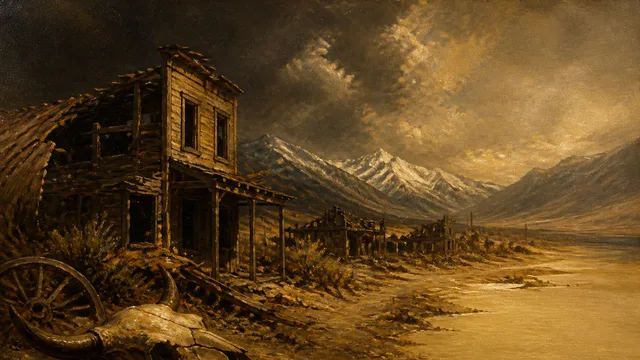
California's landscape tells stories of boom and bust cycles, natural wonders, and human ambition through its numerous abandoned settlements and hidden spaces. Ghost towns scattered across the state represent distinct chapters of California history, from Gold Rush boomtowns that thrived briefly before declining, to mining communities and agricultural settlements that were eventually abandoned as economic conditions shifted. These sites serve as outdoor museums where visitors can examine architecture, artifacts, and infrastructure frozen in time, offering tangible connections to the people who once built and inhabited these places. Many ghost towns now attract history enthusiasts, photographers, and adventure travelers seeking to understand how California's economy and demographics evolved over the past 150+ years.
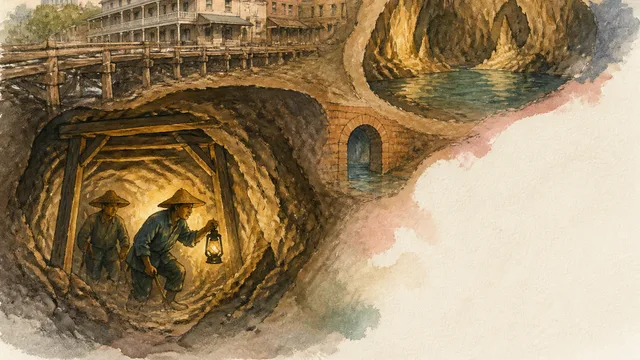
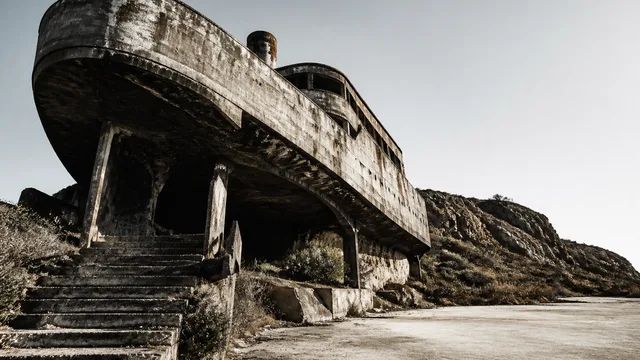
Beyond surface-level ruins, California harbors extensive underground features that shaped both its geological development and human settlement patterns. Caves, tunnels, and subterranean systems provide evidence of natural geological processes while also documenting human activity—from Native American use to mining operations, bootleg tunnels during Prohibition, and Cold War-era bunkers. These hidden spaces represent a different dimension of California's cultural and natural heritage, one that requires specialized knowledge and sometimes equipment to explore safely.
Together, these abandoned places and underground features represent a form of cultural archaeology accessible to modern visitors. Environmental factors continue to shape these sites; erosion, weathering, seismic activity, and climate change gradually alter or destroy physical evidence. Urban explorers and historians increasingly document these locations before they disappear entirely, creating a digital archive of California's vanishing landscapes. For travelers interested in environmental history, cultural heritage, and the intersection of geology and human settlement, these locations offer compelling opportunities to directly experience California's complex past in its physical form.