BuzzRAG History Desk — 2026-08-24

Curated by AI. Eleanor Vance, History & Ideas Editor
Today's digest delves into how history shapes our understanding of time, belief, and science. We uncover the power struggles behind calendar reforms, the advanced astronomical knowledge of prehistoric societies, and the ongoing quest to decipher gravity.
The Twisted Path of the Elizabeth Taylor Diamond
The Elizabeth Taylor Diamond, once owned by the famed actress for over four decades, carries a history as glittering and tumultuous as the star herself. Originally known as the Krupp Diamond, its journey from the hands of Nazi industrialist Alfried Krupp to Taylor's possession in 1968 reflects a fascinating intersection of beauty, wealth, and power.
Gifted by Richard Burton, the diamond became emblematic of Taylor's larger-than-life persona and the couple's legendary romance. The diamond's past, however, speaks to a darker era of history, tethering its brilliance to the moral complexities of the 20th century's most tumultuous events. This journey from a symbol of oppression to one of Hollywood glamour highlights the shifting sands of meaning attributed to such artifacts.
Today, the diamond remains a testament to the resilience of stories that defy time, encapsulating history's ability to transform symbols of suffering into icons of cultural legacy.
Japan's Sea Monsters and Cultural Myths
Japanese maritime legends are rich with tales of mysterious sea creatures that haunt the imaginations of sailors and storytellers alike. The myths of aquatic monsters, such as the Umi-Bozu or the Ryujin, embody the fears and wonders of ancient seafarers facing the unpredictable elements of the ocean.
These legends often depict sea creatures as either primordial beings or disgraced dragons, reflecting a cultural synthesis of reverence and fear towards nature. Such stories are vital to understanding how societies have historically perceived the sea—not just as a physical barrier, but as a realm of the unknown where human control is relinquished.
The persistence of these myths into modern times underscores the enduring power of folklore to shape cultural identity and collective memory. As climate change continues to alter our oceans, these stories remind us of humanity's long-standing relationship with the sea and the need to respect its mysteries.
The Knight's Quest and Medieval Folklore
Medieval folklore is rich with tales of knights facing supernatural trials, and the story of a knight's encounter with a clever giant in the Valley of Deceit adds a layer of intrigue to this tradition. This narrative, though less known than the exploits of King Arthur, reveals much about the medieval mindset regarding chivalry and cunning.
In an era where magic and reality often intertwined, stories like this served to illustrate moral lessons and societal values. The knight's journey, fraught with magical trickery, underscores themes of bravery and wisdom, reflecting the period's cultural emphasis on personal virtue and the triumph of human intellect over deception.
Such tales continue to captivate, reminding us of the timeless human fascination with the supernatural and the moral complexities of heroism. As modern fantasy narratives draw from these ancient roots, understanding these stories provides insight into the cultural fabric that continues to influence contemporary storytelling.
Gravity's Elusive Mysteries
Gravity, the fundamental force anchoring us to Earth, remains a profound scientific enigma. Despite its daily presence, gravity is notably weaker compared to other forces like electromagnetism, and scientists still grapple with its true nature and how it fits into the broader framework of quantum physics.
The pursuit to understand gravity has led to groundbreaking discoveries such as gravitational waves and black holes, yet the elusive graviton has yet to be observed. These efforts highlight the broader implications of gravity's role in the universe, challenging our perceptions of space, time, and matter.
As researchers continue to unravel gravity's secrets, the quest not only advances scientific knowledge but also invites philosophical contemplation about the universe's fundamental laws. The ongoing dialogue between theoretical predictions and experimental findings keeps the mystery of gravity at the forefront of scientific inquiry.
The Eighth Book of Moses and Ancient Rituals
The Eighth Book of Moses, part of the Greek Magical Papyri, reveals a complex tapestry of ancient beliefs. This 42-day ritual merges Egyptian, Jewish, and Hermetic traditions, aiming to unveil a supreme divine name, highlighting the syncretic nature of ancient spirituality.
The text exemplifies how ancient cultures blended diverse religious and magical practices to seek power and understanding. By invoking deities from multiple pantheons, practitioners sought to transcend earthly limitations and connect with the divine, illustrating the human quest for cosmic knowledge and control.
The study of such texts offers valuable insights into the historical interplay of religion, magic, and science, enriching our understanding of how ancient societies constructed their worldviews. As interest in esoteric traditions grows, these ancient rituals continue to inspire and intrigue scholars and spiritual seekers alike.
Unveiling Czechia's Ancient Astronomical Sanctuary
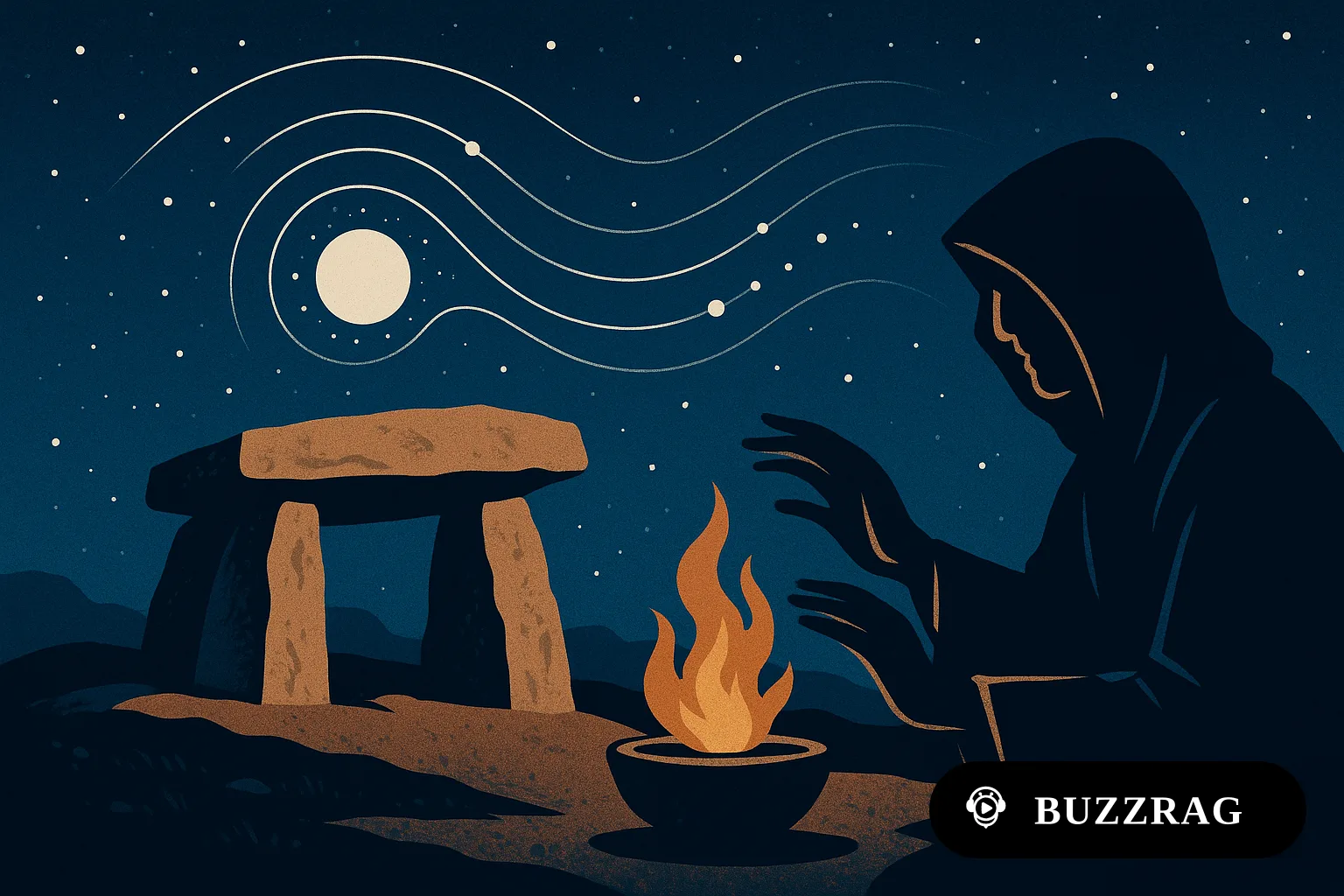
Recent archaeological discoveries in Czechia have unveiled a 6,500-year-old Neolithic sanctuary near Chleby, predating Stonehenge by a millennium. This site, designed to track the movements of the Sun and Moon, offers a glimpse into the sophisticated understanding of astronomy among prehistoric societies.
The sanctuary's construction reflects a dedication to celestial observation, suggesting that early Europeans possessed remarkable knowledge of the natural world. This challenges our assumptions about prehistoric life, revealing the complexity and ingenuity of ancient human cultures.
As we uncover more about these early builders, we gain a deeper appreciation for their contributions to the history of science and technology. These findings inspire a reevaluation of how we perceive technological progress and the enduring human fascination with the cosmos.
The Politics Behind Britain's Calendar Reform
In 1752, Britain enacted the Calendar Act, abruptly skipping 11 days in September to align with the Gregorian calendar. This decision was not merely a technical adjustment but a profound statement about the control of time and the societal costs of such a reform.
The shift from the Julian to the Gregorian calendar was fraught with controversy, as it disrupted daily life and met with resistance from those who saw it as an imposition. This historical moment highlights the power dynamics inherent in calendar systems, which govern not just timekeeping but cultural and religious observance.
The politics of this reform continue to resonate today, as global timekeeping systems remain a reflection of broader socio-political agreements. Understanding this history illuminates the complex relationship between time, authority, and societal change.
As we delve into these narratives, we are reminded of history's enduring influence on contemporary thought and innovation. Watch for how these legacies continue to shape our understanding of science, culture, and identity.