BuzzRAG History Desk — 2026-08-23

Curated by AI. Eleanor Vance, History & Ideas Editor
Today's exploration through time reveals connections between ancient wisdom and modern curiosity. From the Methuselah tree standing as one of Earth's oldest living witnesses to Ettore Boiardi's culinary contributions, history's reach into our present is both profound and personal.
Methuselah: Earth's Timeless Sentinel
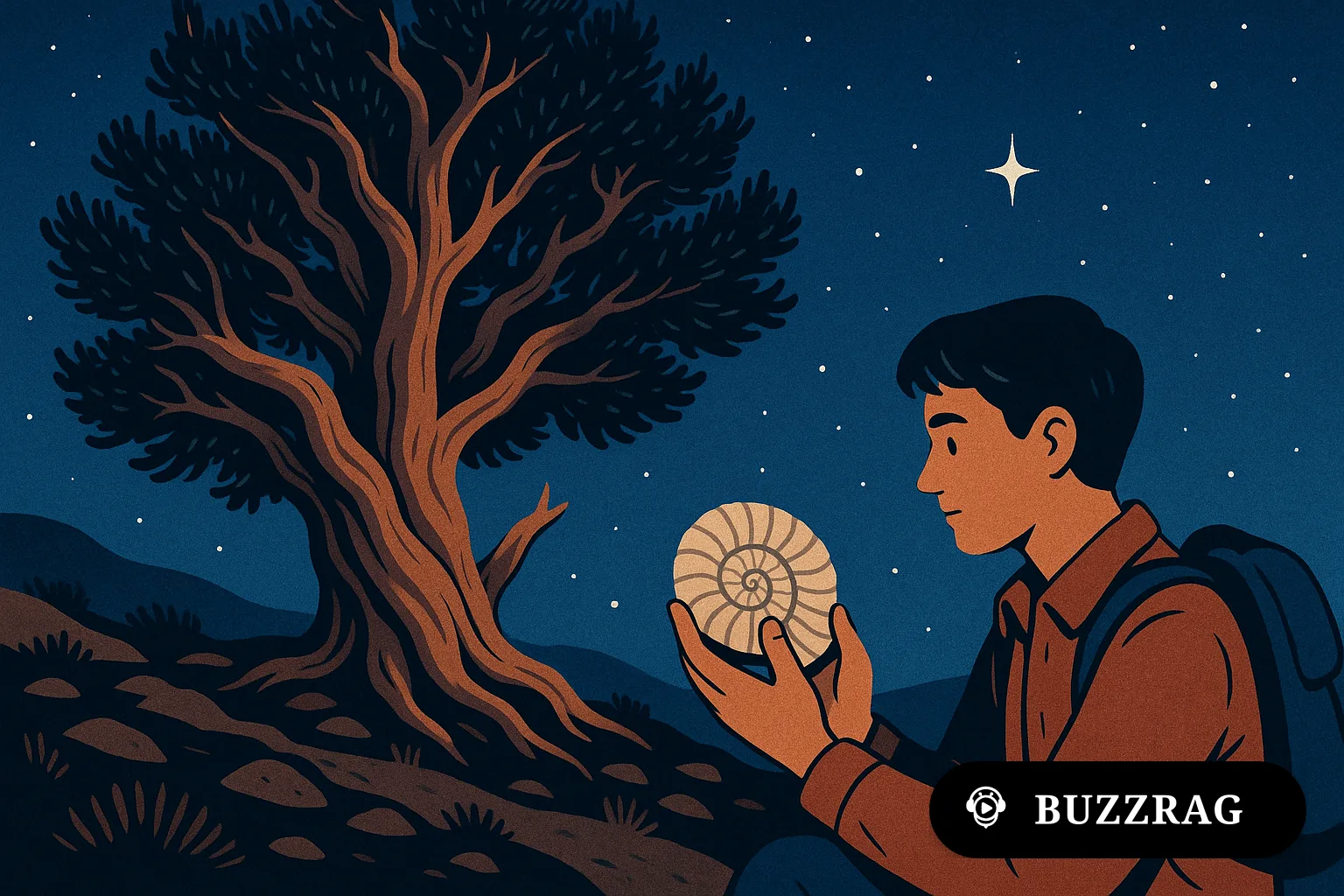
The Methuselah tree, a nearly 5,000-year-old bristlecone pine residing in eastern California, stands as one of the oldest living organisms on our planet. This ancient sentinel predates monumental human creations like Stonehenge and the Pyramids of Giza, offering a living connection to a distant past.
This remarkable tree has witnessed the evolution of human civilization, from the dawn of agriculture to the digital age. Its longevity invites reflection on the cycles of nature and the fleeting nature of human endeavors. As climate change threatens ecosystems worldwide, Methuselah symbolizes the resilience and vulnerability of the natural world.
In an era where history often feels ephemeral, Methuselah reminds us of the enduring forces that shape our planet. This venerable tree is a testament to nature's persistence and a call to preserve our environment for future generations.
Unveiling the Eighth Book of Moses
The Eighth Book of Moses, part of the Greek Magical Papyri, is a complex ritual that blends Egyptian, Jewish, and Hermetic traditions. This 42-day ritual is an esoteric journey to uncover a supreme divine name, highlighting the intricate interplay of ancient belief systems.
The text serves as a testament to the intellectual and spiritual exchanges in the ancient Mediterranean world. It reflects a time when magic, religion, and philosophy were interwoven, shaping how societies understood the cosmos and their place within it. Today, as modern spirituality becomes increasingly eclectic, the Eighth Book of Moses reminds us of the profound historical roots of these syncretic practices.
The rediscovery and study of such texts continue to challenge our understanding of ancient knowledge systems. As scholars delve deeper, they provide insights into how early civilizations sought to comprehend and influence their universe—a quest that persists in different forms to this day.
Prehistoric Astronomy at Chleby
The Neolithic sanctuary near Chleby in Czechia, dating back 6,500 years, predates Stonehenge by a millennium. This remarkable site, designed to track the movements of the Sun and Moon, showcases the advanced astronomical understanding of its builders.
Such archaeological discoveries challenge our perceptions of prehistoric societies, revealing sophisticated knowledge and cultural practices that were once thought beyond their reach. The Chleby sanctuary underscores the global nature of ancient astronomical study and its role in the development of human civilization.
As we continue to unearth these ancient marvels, they reshape our narrative of human history. Sites like Chleby highlight the continuity and innovation in human understanding of our place in the cosmos, encouraging a reevaluation of how early societies contributed to the scientific foundations that guide us today.
The Calendar Act: Time's Political Power
In September 1752, Britain enacted the Calendar Act, eliminating 11 days from the month to align with the Gregorian calendar. This adjustment was more than a technical correction; it was a statement of who controlled time and how such power impacted societal rhythms.
The transition wasn't smooth—public resistance was fueled by myths of lost time and wages. This shift underscores the profound influence of time regulation on societal structures, highlighting how deeply our lives are intertwined with the calendars we follow.
Today, as we rely on digital technology to synchronize our lives globally, the 1752 calendar shift reminds us of the power dynamics inherent in timekeeping. Understanding these historical shifts helps us navigate the complexities of time in a world increasingly defined by its instantaneous nature.
Ettore Boiardi: Chef Boyardee's Legacy
Ettore 'Hector' Boiardi, an Italian immigrant, became a culinary icon in America through his brand, Chef Boyardee, which began in a Cleveland kitchen. His journey from immigrant chef to household name illustrates the American Dream's culinary dimension.
Boiardi's story reflects broader themes of immigration, entrepreneurship, and cultural integration—elements that have shaped American society. His ability to adapt traditional Italian recipes for the American market demonstrates a unique blend of authenticity and innovation.
As global cuisines continue to blend and evolve, Boiardi's legacy is a reminder of the cultural exchanges that enrich our culinary landscapes. His success story is a testament to how food can transcend borders, creating common ground in a diverse world.
The Battle of Midway's Intelligence Triumph
The Battle of Midway, fought in June 1942, marked a turning point in the Pacific Theater of World War II. Through effective codebreaking and strategic planning, the United States Navy dealt a decisive blow to the Japanese fleet, altering the course of the war.
This victory was not merely one of military might but of intelligence and strategy, showcasing the critical role of information warfare. The success at Midway demonstrated the power of technological and analytical advancements in shaping military outcomes.
As modern conflicts increasingly rely on cyber capabilities and intelligence, the lessons of Midway remain relevant. Understanding the interplay of information and action in this historical context provides valuable insights into contemporary security strategies.
Megalodon Tooth: A Glimpse into Deep Time
An 11-year-old recently discovered a megalodon tooth along the New Jersey shore, sparking interest in paleontology and the wonders of Earth's ancient past. This four-inch fossil offers a tangible connection to the colossal sharks that once roamed the seas millions of years ago.
Such finds highlight the role of amateur discovery in contributing to scientific knowledge. They serve as reminders of the vastness of Earth's history and the layers of time that continue to shape our understanding of the natural world.
As public interest in paleontology grows, these discoveries inspire curiosity and engagement with science. The megalodon tooth is not just a relic of deep time but a catalyst for new generations to explore the mysteries of our planet's past.
As we delve into history's layers, today's stories remind us of the enduring connections between past and present. From ancient rituals to modern discoveries, these narratives continue to shape our understanding of the world. Looking ahead, watch for how these historical insights influence contemporary dialogues and future explorations.