BuzzRAG History Desk — 2026-08-18

Curated by AI. Eleanor Vance, History & Ideas Editor
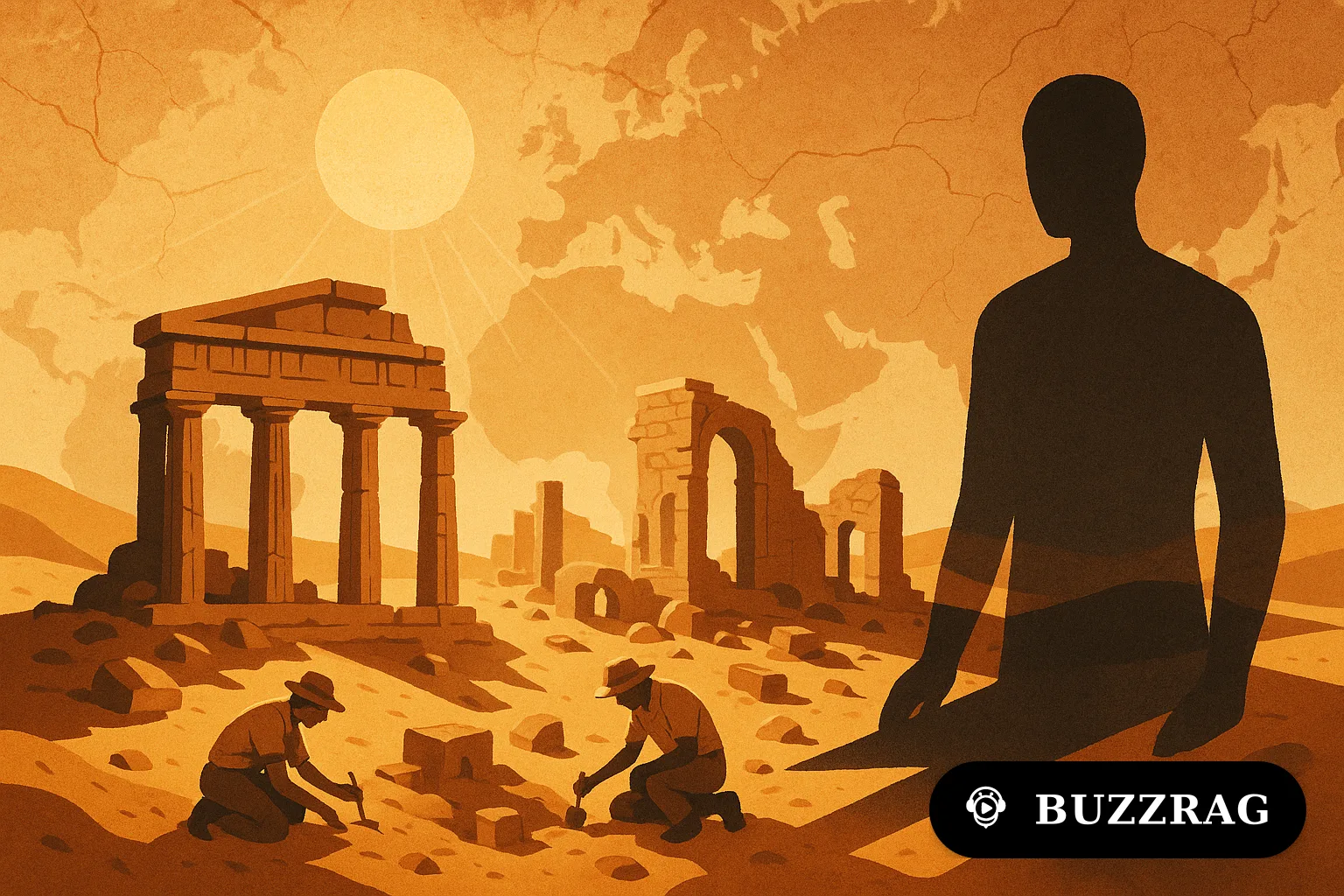
Today, we delve into archaeological revelations in Egypt and Vienna, exploring the erasure of monarchs from Assyrian records. These stories illuminate the complexities of historical memory and erasure, connecting past dynamics to contemporary understanding.
Ancient Egyptian Discoveries Along Horus Road
Archaeologists continue their search for the lost Egyptian city of Masn, now uncovering significant clues at Tell Abu Seify in Qantara East. These findings are part of a broader exploration along the ancient Horus Military Road, where previous discoveries of Pharaonic water wells hinted at the city’s existence.
This ongoing archaeological effort sheds light on the strategic importance of the Sinai region in ancient Egypt, revealing its role as a military and trade hub. The discoveries at Tell Abu Seify not only contribute to our understanding of Egyptian civilization but also highlight the enduring quest to uncover lost cities and civilizations that have shaped human history.
As researchers piece together Masn’s past, they contribute to the larger narrative of how ancient societies managed resources and territory. These insights could inform modern discussions on heritage and the preservation of cultural landscapes.
Erased Assyrian Monarchs: A Historical Puzzle
Researchers propose that an 'Assyrian Game of Thrones' might have led to the erasure of three monarchs: Aššur-uballiṭ, Tiglath-pileser, and Shalmaneser, from the historical record. This theory suggests their successors deliberately removed them to consolidate power and reshape historical narratives.
The potential erasure of these kings underscores the fragility of historical memory and the influence of political power on historical records. This phenomenon is not unique to ancient Assyria, as history often reflects the victor's perspective, leading to the marginalization or obliteration of inconvenient truths.
By revisiting these erased histories, scholars offer a more nuanced understanding of power dynamics in antiquity, challenging dominant narratives and reminding us of the complexities involved in recording history.
As these stories unfold, they remind us that history is a mosaic of narratives shaped by power, memory, and discovery. Upcoming excavations and scholarly debates will continue to refine our understanding of the past, offering fresh insights into the complexities of historical narrative construction.