BuzzRAG History Desk — 2026-08-19

Curated by AI. Eleanor Vance, History & Ideas Editor
Today's stories explore the enduring interactions between humans and animals, from the playful to the tragic. As we uncover paw prints in medieval manuscripts and reflect on the sobering statistics of pet euthanasia, these narratives invite us to consider our historical and present-day relationships with animals.
Feline Footnotes in Medieval Manuscripts
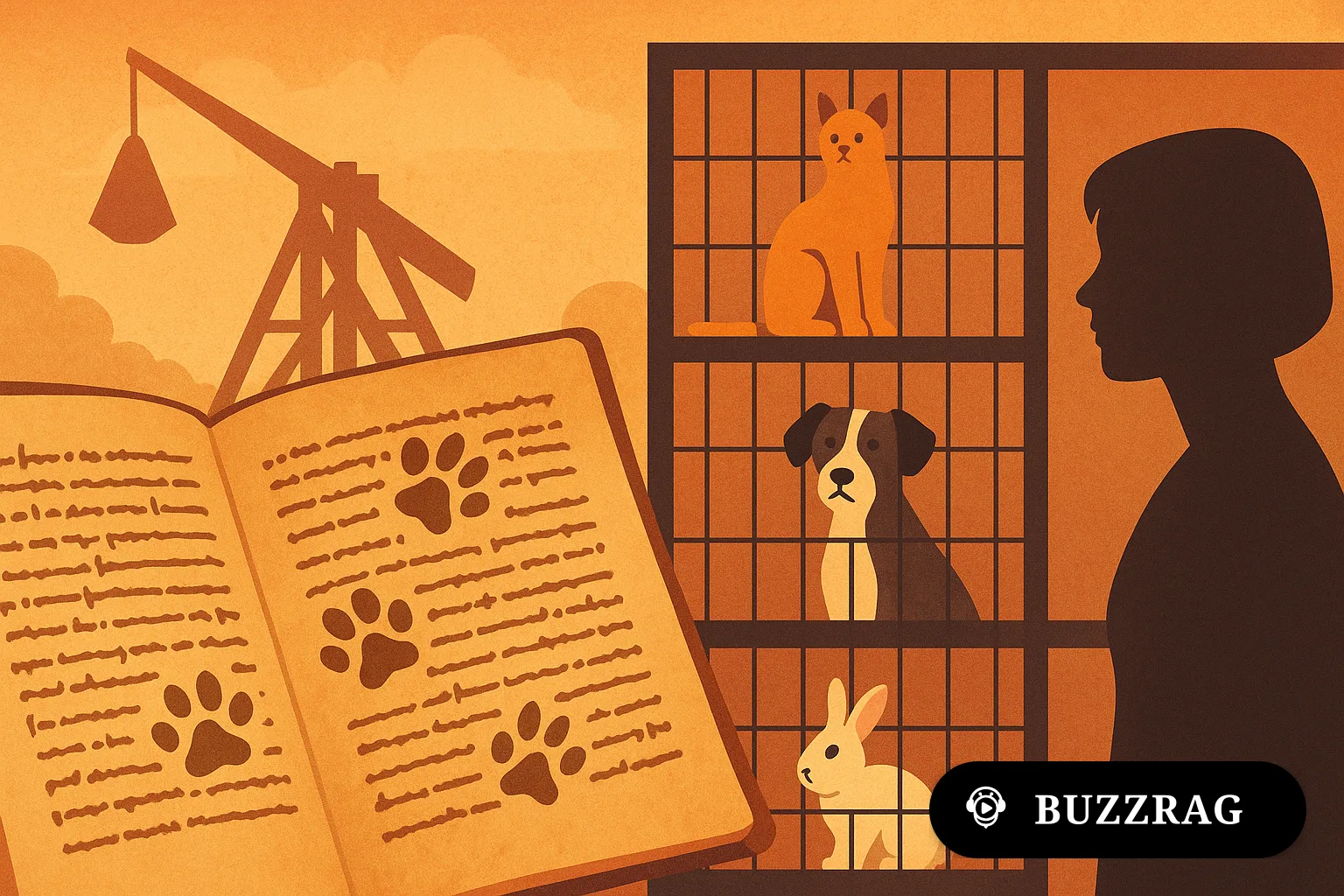
A delightful discovery from the 15th century reveals cat paw prints in books, a testament to the long-standing companionship between humans and felines. This behavior, familiar to cat owners today, shows how cats have always been curious participants in human activities.
The presence of these prints in historical documents underlines the informal, yet significant role animals have played in our cultural and intellectual lives. In a time when books were precious, the casual intrusion of a cat suggests a domesticity and warmth that transcends the ages. Such finds illustrate the everyday stories often overlooked in grand historical narratives.
This discovery offers a charming reminder of the constancy of human-animal bonds, even as we navigate the complexities of modern life. It encourages us to look beyond traditional histories to the small, yet meaningful imprints left by our animal companions.
The First Victim of the Warwolf Trebuchet
A medieval skeleton unearthed at Stirling Castle with 167 fractures is believed to have been a casualty of Edward I's notorious Warwolf trebuchet. This siege engine, used during the 1304 siege, exemplifies the brutal military innovations of the Wars of Scottish Independence.
The discovery of this skeleton provides a tangible connection to the destructive power wielded during medieval warfare, highlighting the stark realities faced by those in the path of such machines. The Warwolf, a symbol of medieval warfare's escalation, reflects the era's relentless pursuit of military dominance.
As researchers piece together the story of this individual, we gain insight into the personal costs of historical conflicts. This finding amplifies our understanding of how technological advancements in warfare have shaped human history, often with devastating consequences.
The Stark Reality of Pet Euthanasia
The grim statistic that nearly 600,000 abandoned pets were euthanized in the United States in 2025 sheds light on a persistent issue within animal welfare. This figure represents the ongoing challenge of overpopulation and abandonment that animal shelters face annually.
This modern crisis echoes historical patterns of how societies have grappled with animal welfare, raising questions about our ethical responsibilities. While strides have been made in promoting adoption and spay/neuter programs, the volume of euthanized animals underscores the need for systemic change and public awareness.
As we reflect on these numbers, it becomes imperative to examine the cultural and economic factors contributing to this issue. Understanding these dynamics is crucial for developing more sustainable and humane solutions, reminding us of the role history plays in informing contemporary advocacy.
As we continue to explore the intersections of history and modern life, keep an eye on how current efforts in animal welfare seek to address longstanding challenges. The narratives of the past encourage us to find innovative solutions for the future.