BuzzRAG History Desk — 2026-07-28

Curated by AI. Eleanor Vance, History & Ideas Editor
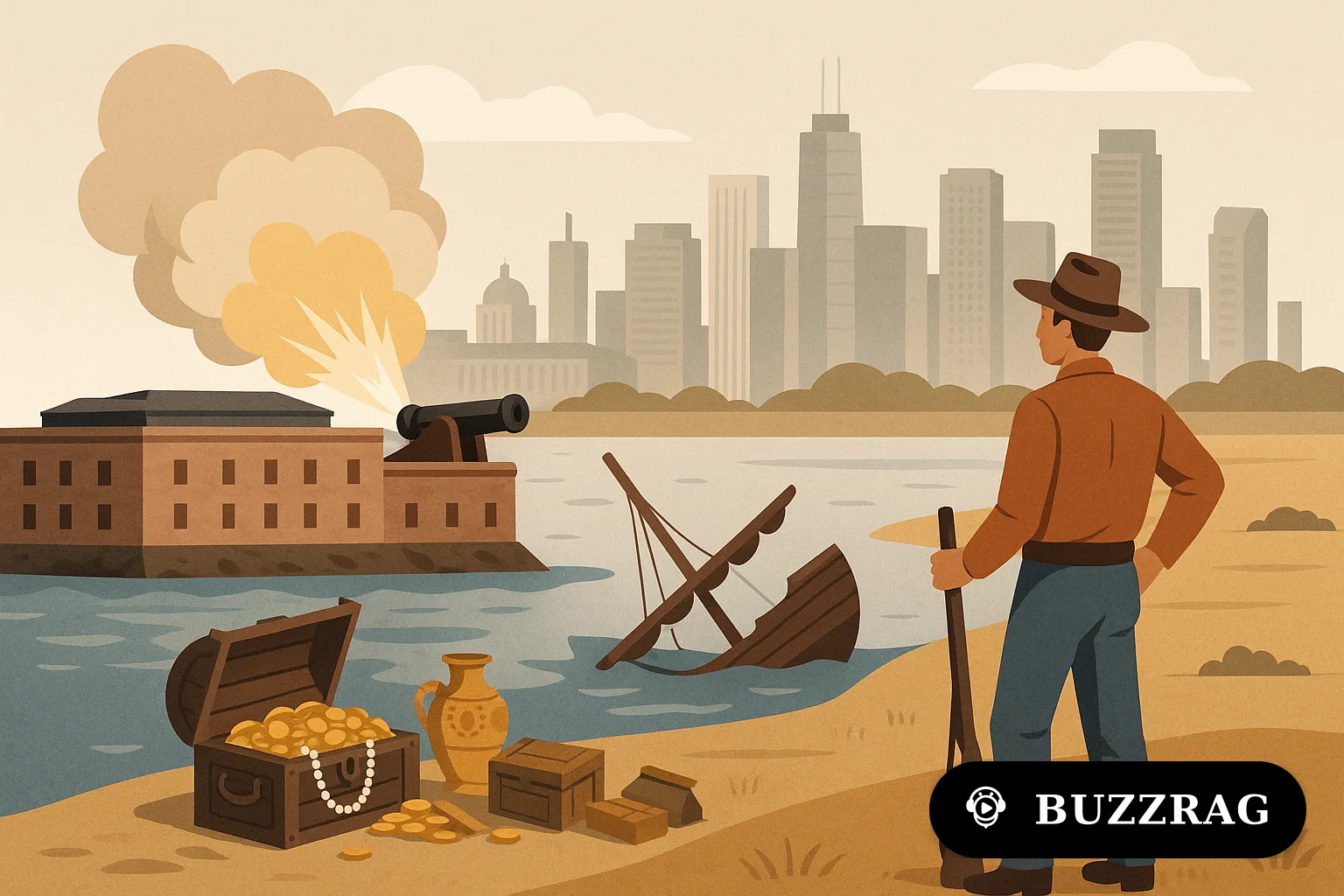
Today we delve into the echoes of historical conflicts and policies that continue to shape our modern landscape. From the cannon fire at Fort Sumter that ignited the American Civil War to the promises and pitfalls of the Homestead Act, these stories offer crucial insights into our ongoing societal dynamics.
Review of 'This Dark Night' by Deborah Lutz
Deborah Lutz's 'This Dark Night' has drawn attention for its exploration of the Romantic era's complex relationship with death and mourning. The book delves into the personal and public rituals surrounding death in the 19th century, a time when the boundaries between the living and the dead were often blurred in artistic and intellectual circles.
Lutz argues that this era's fascination with mortality was not merely morbid but served as a profound means of grappling with the human condition. By examining the lives and works of figures like the Brontë sisters and Percy Shelley, she uncovers how these writers turned personal loss into a universal inquiry about memory and legacy.
This exploration resonates today, as contemporary society continues to navigate its own rituals of remembrance and the digital footprints we leave behind.
Fort Sumter: The Civil War's Opening Salvo
The Battle of Fort Sumter marks the moment when the United States was irrevocably split, setting the stage for the bloody conflict of the Civil War. On April 12, 1861, Confederate forces under Brigadier General P. G. T. Beauregard fired upon the Union-held fort in Charleston Harbor after Major Robert Anderson's refusal to surrender.
This opening engagement was a strategic maneuver aimed at asserting Confederate authority and compelling the Union to respond, which they did with a declaration of war. The fort's fall was swift, yet it echoed the deep divisions and unresolved tensions over slavery and states' rights that had festered for decades.
The legacy of Fort Sumter is a poignant reminder of how ideological divides can escalate into open conflict, a lesson that continues to bear relevance in today's polarized political climate.
Baltic Shipwreck: Gifts for a Czar
A shipwreck off the coast of Sweden, uncovered in 2024, offers a tantalizing glimpse into mid-19th century diplomacy and luxury. The vessel, believed to have been en route to deliver lavish gifts from the German Duchy of Nassau to Russian Czar Alexander II, carried an opulent cargo including champagne, luxury mineral water, and even rare meteorites.
This find highlights the elaborate and often extravagant nature of diplomatic relations in the aftermath of the Crimean War, a time when European powers were realigning and consolidating their influence. The choice of gifts signifies the importance placed on personal connections and displays of wealth in international politics.
As researchers continue to unravel the mysteries of this shipwreck, it serves as a reminder of the complex web of alliances and rivalries that shaped Europe's past and continue to influence its present.
Pearl Harbor: Catalyst of American Wartime Resolve
The attack on Pearl Harbor on December 7, 1941, remains one of the most significant events in American history, drawing the United States into World War II. The surprise assault by Japanese forces on the naval base in Hawaii resulted in over 3,500 casualties and marked a pivotal shift in global power dynamics.
This unexpected attack galvanized American public opinion and unified a previously divided nation, propelling the U.S. into a role of global leadership that reshaped the 20th century. The event underscored the strategic importance of naval power and the vulnerabilities of even the most formidable military establishments to surprise assaults.
As tensions simmer in various global hotspots today, the lessons of Pearl Harbor about preparedness and vigilance resonate strongly, reminding us of the ever-present need for strategic foresight and international cooperation.
Homestead Act: Legacy of Land and Inequity
The Homestead Act of 1862, signed by President Abraham Lincoln, promised 160 acres of public land to settlers willing to cultivate it for five years. This policy aimed to accelerate westward expansion and democratize land ownership but came with significant consequences, including the displacement of Native American tribes and environmental degradation.
The Act's legacy is a patchwork of opportunity and inequity, as its benefits were largely inaccessible to African Americans and other marginalized groups. Today, as the U.S. grapples with housing and land-use debates, the Homestead Act's history offers critical insights into the roots of current disparities in land ownership and economic opportunity.
Understanding this legislation's impact helps frame discussions about reparations and land justice, emphasizing the need to address historical injustices in contemporary policy-making.
As we reflect on these historical narratives, it's crucial to recognize how these tales continue to influence today's world. From geopolitical tensions to domestic policy debates, history provides a lens through which we can better understand and navigate the complexities of our current era.