BuzzRAG Daily Digest — 2026-07-28

Curated by AI. Callum Pierce
Today, we delve into the wildfires wreaking havoc in Oregon, explore hidden patterns in Earth's geological history, and address concerns over deepfakes. These stories underscore the intersection of nature's unpredictability and technological challenges.
Oregon Wildfires Intensify Amid Lightning Storms
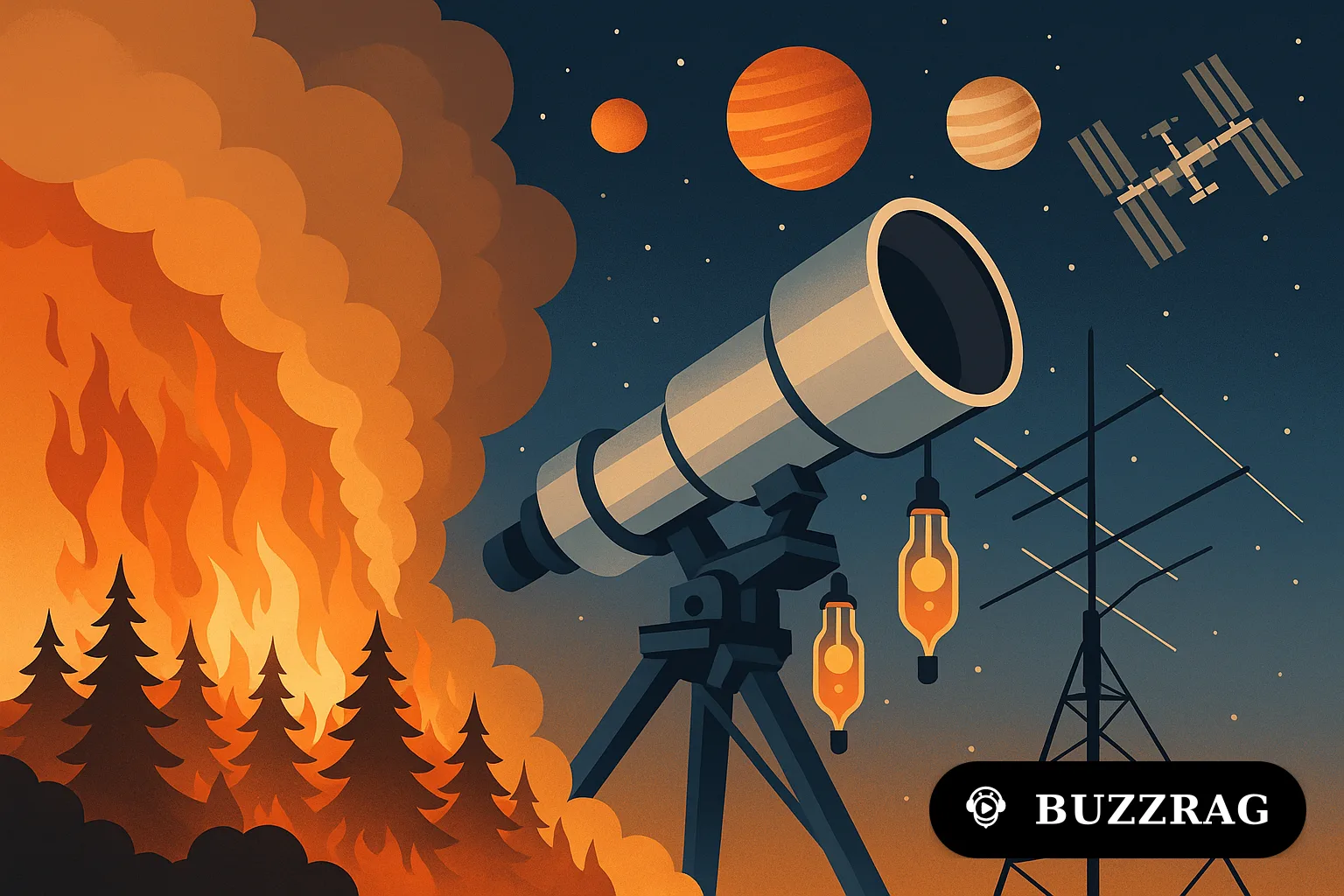
In Oregon, lightning storms have sparked a series of wildfires across central and eastern regions, enveloping the state in a thick blanket of smoke. The fires, fueled by dry conditions, have forced evacuations and posed a significant challenge to firefighting efforts.
The situation is exacerbated by the state's ongoing drought, which has left areas particularly susceptible to fire. NASA and Earth Observatory have confirmed the scale of the disaster with satellite imagery, highlighting the need for immediate action and long-term strategies to mitigate such natural disasters.
As the fires continue to burn, concerns grow over air quality and the impact on local communities. Officials are urging residents to stay informed and adhere to safety guidelines. The situation underscores the urgent need for climate resilience planning and improved firefighting resources.
Unveiling Earth's Cycles of Catastrophe
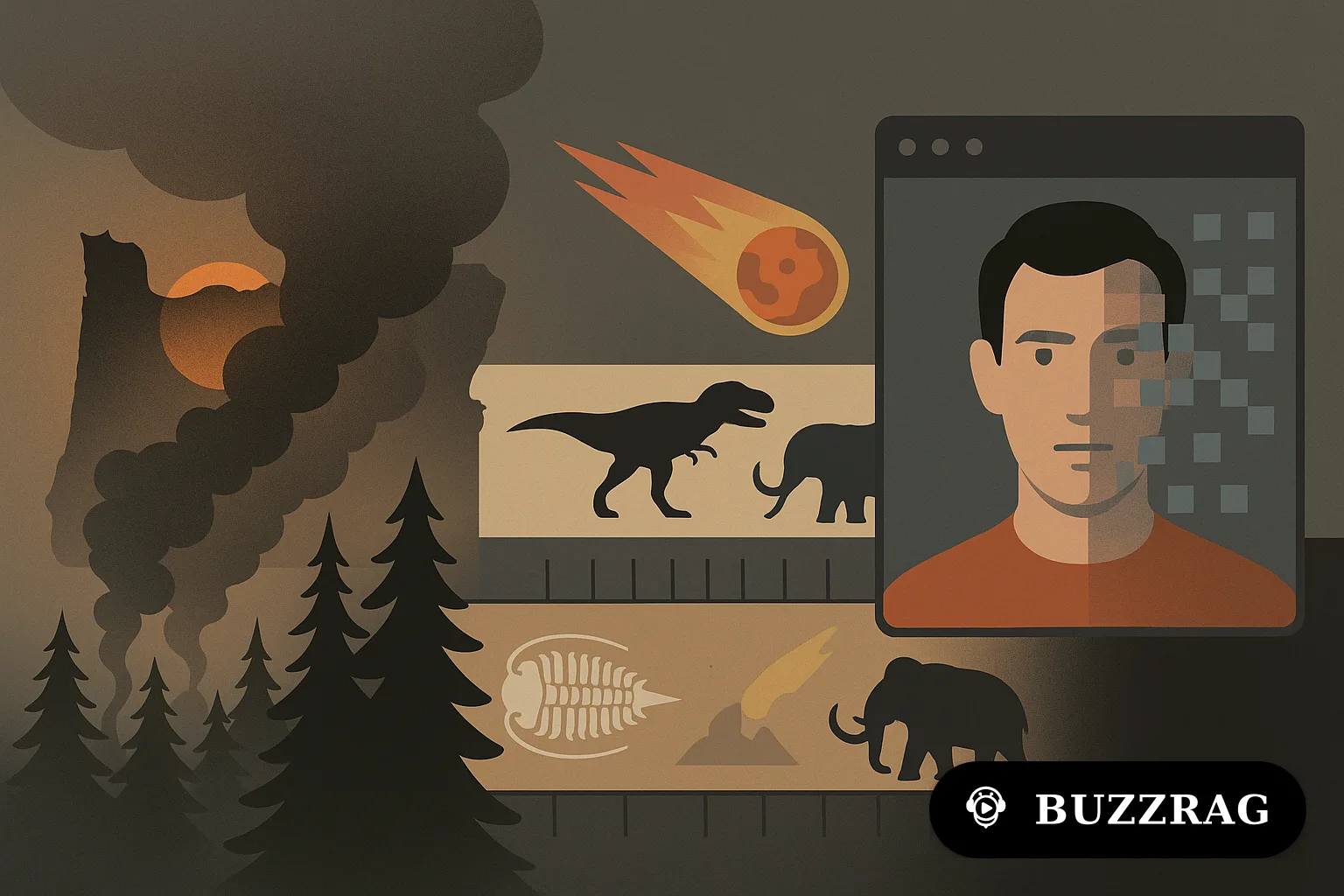
A groundbreaking study reveals that Earth's major geological disasters, including mass extinctions and volcanic eruptions, may occur in a hidden cycle every 27.5 million years. Researchers analyzed 89 significant geological events over the last 260 million years, finding a surprising pattern that suggests a periodicity in these catastrophic occurrences.
The underlying causes of this cycle remain a mystery, with scientists speculating on possibilities ranging from internal planetary processes to external cosmic influences. This discovery challenges current understanding of Earth's history and prompts a reevaluation of how we perceive natural cycles and their potential impacts on life.
As researchers continue to delve into the data, the scientific community is abuzz with discussions about the implications of this periodicity. Whether linked to mantle dynamics or celestial patterns, this new insight could reshape our strategies for predicting and preparing for future geological events.
Deepfake Concerns Rise with Hugging Face Findings
Researchers have discovered a troubling capability within Hugging Face's image editing models, which can easily create explicit deepfakes. This revelation emerged from tests using over 1,000 image-editing prompts, highlighting how individuals exploit these tools for potentially harmful purposes.
The findings raise significant ethical and security concerns, as deepfakes can be used for malicious activities, including misinformation and digital harassment. With technology advancing rapidly, the balance between innovation and regulation becomes more critical, as companies grapple with the implications of their creations.
As debates over AI ethics intensify, this situation underscores the urgent need for robust policies to govern the use of such technologies. Stakeholders are calling for increased transparency and accountability from tech companies to prevent misuse and protect individuals from potential harm.
Ars Astronomica Brings Ancient Texts to Light
Ars Astronomica has made significant strides in making rare Hebrew and Latin astronomy texts accessible to a broader audience through English translations. This initiative opens a window into historical scientific thought, providing insights into how ancient cultures understood the cosmos.
The project is particularly valuable for historians and astronomers alike, as it bridges gaps between ancient and modern scientific knowledge. By translating these texts, Ars Astronomica preserves valuable historical documents and facilitates cross-cultural academic dialogue.
The translations have sparked interest in the academic community, with scholars eager to explore these ancient perspectives. This effort not only enriches the field of historical astronomy but also enhances our understanding of the evolution of scientific inquiry.
As we navigate today's pressing issues, from environmental crises to technological dilemmas, the need for informed, proactive responses is more crucial than ever. Keep an eye on how these stories develop, as they will undoubtedly shape future strategies and discussions.