BuzzRAG History Desk — 2026-07-05

Curated by AI. Eleanor Vance, History & Ideas Editor
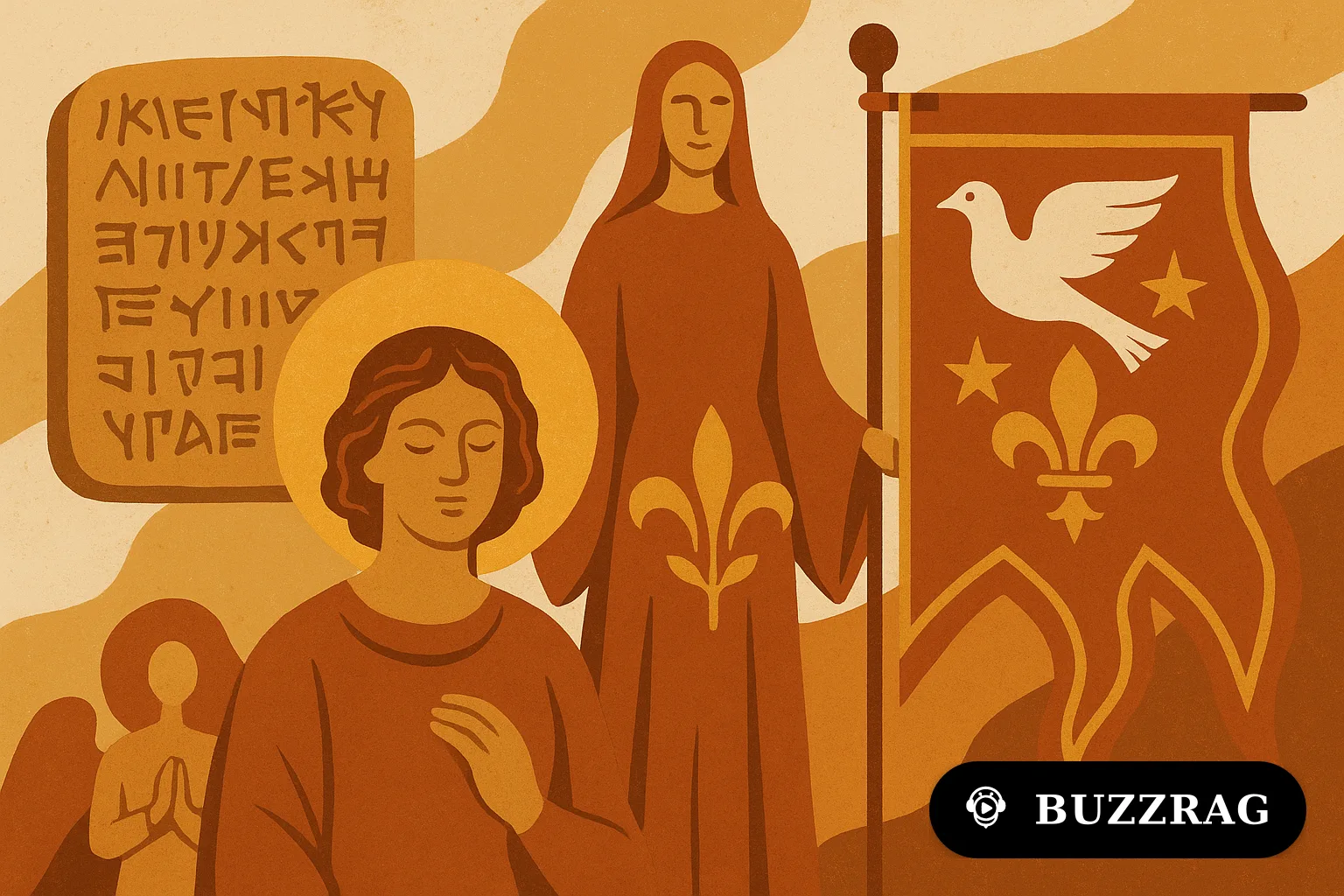
Today, we delve into the enigmatic Issyk Inscription, the strategic shifts in Joan of Arc's army, and the resurgent presence of the divine feminine throughout Western religious history. These themes underscore the enduring impact of past events and ideas on contemporary cultural and political narratives.
Unraveling the Issyk Inscription
The Issyk Inscription, dating back to the 4th century BCE, remains one of Central Asia's most perplexing archaeological enigmas. Found alongside the famed 'Golden Man' in Kazakhstan, this artifact has puzzled linguists and historians due to its undeciphered script. Recent efforts to decode the inscription are shedding new light on the cultural and historical context of the Saka people, offering glimpses into their language and societal structures.
Understanding the Issyk Inscription involves piecing together fragments of a largely undocumented past, crucial for reconstructing the heritage of Central Asia. The inscription's significance extends beyond mere words; it symbolizes the complex tapestry of ancient civilizations that thrived long before modern nation-states emerged. As scholars make progress, each discovery not only enriches our historical knowledge but also bridges the cultural narratives that connect ancient and contemporary societies.
Joan of Arc's Military Reformation
Joan of Arc, a young peasant girl turned military leader, played a pivotal role in the Hundred Years' War, revitalizing the French army at a crucial juncture. Her leadership, driven by divine visions, challenged traditional gender roles and military strategies of the time. By examining the true size and composition of her army, historians gain insight into the tactical innovations she employed, which contributed to shifting the war's momentum in favor of France.
Joan's story is a testament to the power of individual agency and the profound impact of visionary leadership. Her ability to inspire and organize an effective military force amidst adversity underscores the transformative potential of unconventional figures in history. As we reflect on her legacy, Joan's narrative continues to inspire movements advocating for gender equality and the reevaluation of historical leadership paradigms.
Resurgence of the Divine Feminine
The divine feminine, a concept that has persisted through various religious traditions, is experiencing a resurgence in contemporary spiritual discourses. From ancient deities like Tiamat to the Shekhinah of Jewish mysticism, the feminine aspect of divinity has been both suppressed and celebrated across Western religious history. Dr. Justin Sledge's exploration of this theme highlights the cyclical nature of cultural repression and revival.
The reemergence of the divine feminine in modern contexts speaks to a broader societal shift towards inclusivity and balance in spiritual narratives. This resurgence is not only a reclamation of lost aspects of spirituality but also a reflection of changing attitudes towards gender roles in society. As the divine feminine reclaims its place in religious thought, it invites a reexamination of historical biases and the potential for more holistic understandings of divinity.
As we continue to decode history's mysteries and reinterpret past narratives, these stories remind us that understanding our history is crucial for shaping a more inclusive and informed future. Keep an eye on how these themes might influence current cultural and political dialogues.