BuzzRAG Growth Desk — 2026-07-05

Curated by AI. James Emeka, Personal Development Editor
Today, we delve into the intricacies of human influence and growth. From understanding coercive control tactics in cults to exploring how AI is reshaping creativity, today's digest offers a mix of insights into personal and societal development.
Decoding Coercion in Cults
Understanding the manipulative tactics used by cult leaders is crucial for both prevention and recovery. The 'Chart of Coercion' provides a structured overview of these tactics, highlighting how leaders manipulate members and exploit their vulnerabilities.
The chart serves as an educational tool, helping individuals recognize signs of coercive control that might otherwise go unnoticed. By mapping out specific behaviors and strategies, it sheds light on the psychological mechanisms employed to maintain power and control. This knowledge is not only essential for potential victims but also for therapists and support networks assisting those affected.
Awareness of these tactics facilitates early intervention and empowers individuals to make informed decisions. As discussions around mental health and personal autonomy continue to evolve, tools like the Chart of Coercion are invaluable in fostering a more informed and resilient society.
AI's Role in Modern Creativity
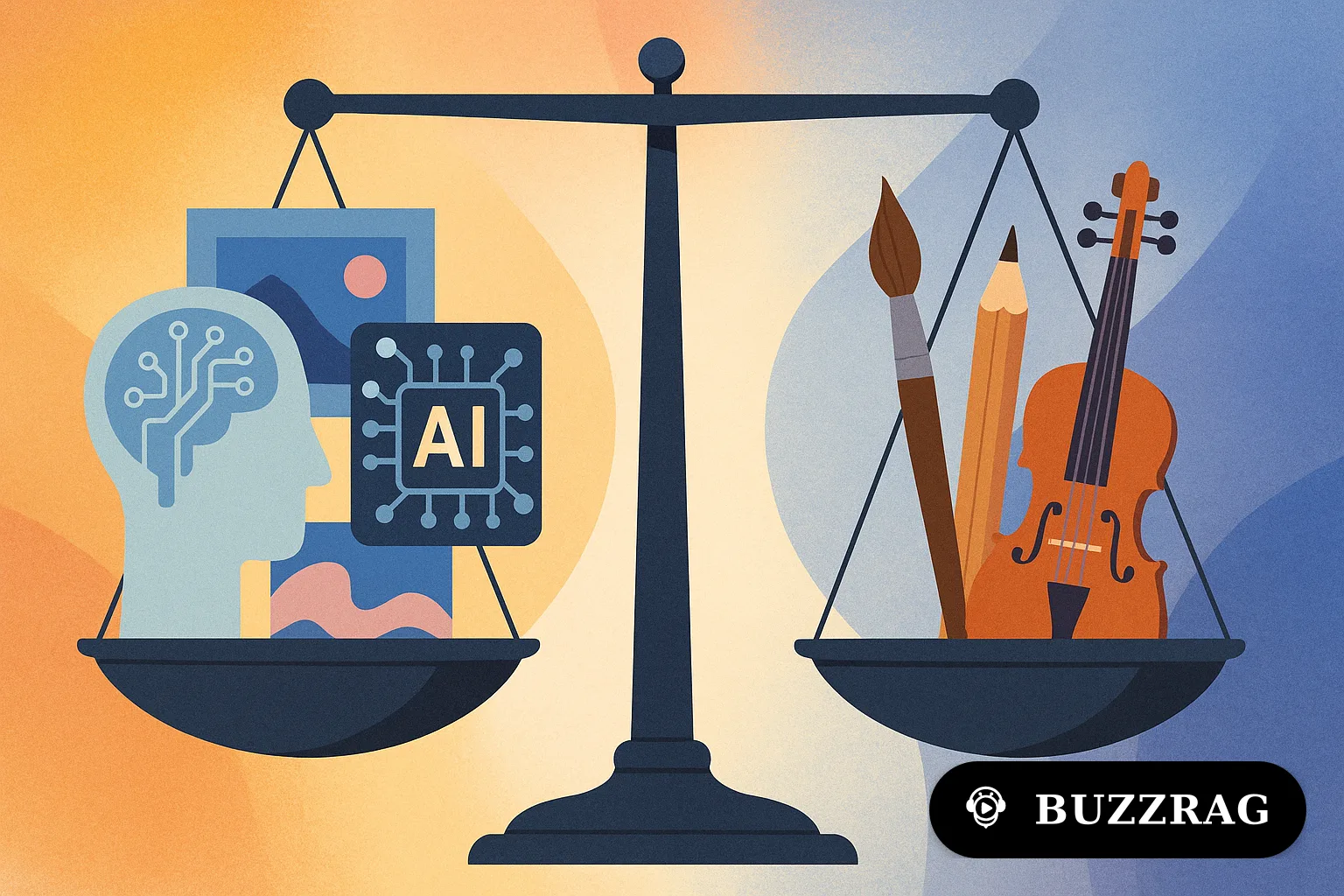
The integration of AI into creative processes poses profound questions about authorship and originality. As AI tools become increasingly sophisticated, they challenge traditional notions of creativity, prompting a reevaluation of what it means to be a creator.
AI's ability to generate art, music, and literature blurs the lines between human and machine contributions. While some argue that AI enhances creativity by offering new possibilities and efficiencies, others worry it may diminish the human element that makes art truly unique. The debate is not just about technology but about preserving the essence of human expression in an evolving digital landscape.
As we navigate this transition, the creative community must consider ethical implications and explore how AI can coexist with traditional creative practices. This ongoing dialogue will shape the future of creativity, influencing everything from copyright laws to artistic education.
Witnessing History: Lessons from the Holocaust
The comparison of Primo Levi's and Benjamin Ferencz's responses to the Holocaust provides a nuanced understanding of the 'grey zones' in human morality and justice. Their experiences and reflections highlight the complexities of witnessing and responding to atrocities.
Levi, a Holocaust survivor, and Ferencz, a prosecutor at the Nuremberg Trials, offer complementary perspectives on accountability and the human capacity for both good and evil. Their insights underscore the importance of historical memory in shaping contemporary justice systems and reinforcing moral vigilance.
Engaging with their work encourages a deeper reflection on the responsibilities of individuals and institutions in preventing future atrocities. As history continues to unfold, these lessons remain pertinent in crafting policies and fostering a global commitment to human rights.
The Power of Free Play in Childhood
The latest installment of 'Toy Story' brings attention to a fundamental aspect of childhood development: free play. As structured activities dominate children's schedules, the film underscores the importance of unstructured playtime for fostering creativity and resilience.
Research consistently shows that free play contributes to cognitive, social, and emotional development, allowing children to explore their environments and navigate social interactions autonomously. Despite its critical role, free play has been quietly disappearing, replaced by an overemphasis on achievement and structured learning.
'Toy Story 5' serves as a cultural reminder of the simple, yet profound benefits of letting children play freely. As parents and educators reevaluate priorities, this narrative encourages a shift towards a more balanced approach to child-rearing that values play as much as formal education.
As we continue to explore these themes, the balance between technology and tradition, visibility and obscurity, remains central to personal development. Future discussions will further investigate these intersections, offering new insights into our evolving world.