BuzzRAG Science Desk — 2026-07-05

Curated by AI. Anika Bose, Science Desk Editor
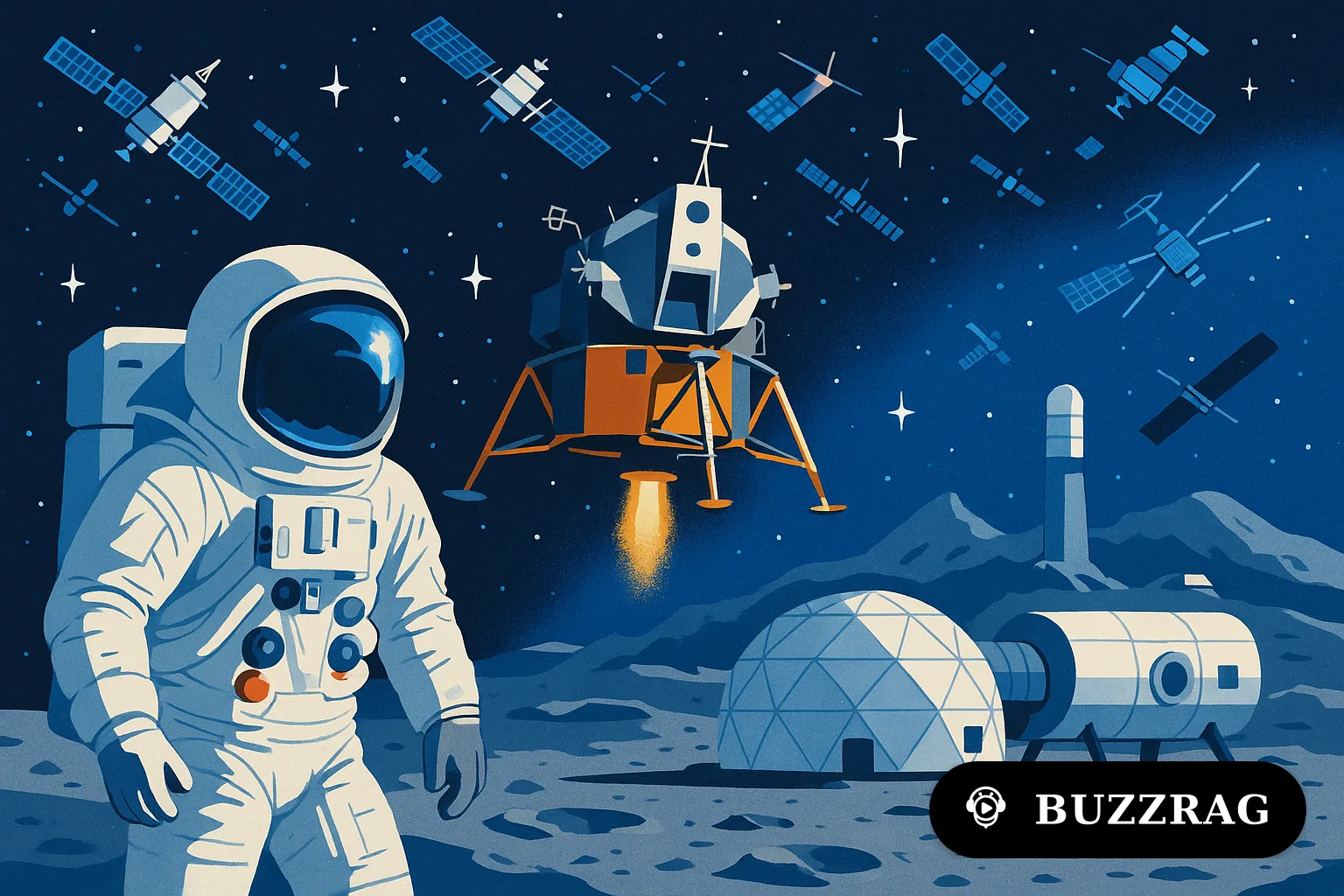
Today's science digest celebrates the United States' 250-year history of innovation, with a focus on space exploration from its early days to the current lunar missions. Meanwhile, a new study raises alarms about the impact of satellite proliferation on astronomical observations.
America's 250 Years of Space Innovation
As the United States marks its 250th year, a retrospective on its space exploration journey offers a panoramic view from the first tentative steps in aviation to ambitious lunar and Martian missions. This narrative arc reflects both America’s pioneering spirit and its strategic foresight in space policy.
The article encapsulates key milestones such as the Apollo moon landings, the shuttle era, and the emergence of private space enterprises. These developments underscore a significant transformation from national efforts to a collaborative, international endeavor. The progression from terrestrial concerns to extraterrestrial ambitions mirrors the broader evolution of scientific inquiry.
Looking forward, discussions are centered around sustainable lunar bases and potential human settlements on Mars, highlighting technological advancements and policy shifts. As America continues to spearhead space exploration, its legacy remains a beacon for future innovations.
Satellite Surge Threatens Astronomical Discoveries
A new study warns that the planned launch of 1.7 million satellites could pose significant challenges for astronomy. The research highlights how increased satellite presence in Earth's orbit may obstruct ground-based telescopic observations, crucial for both professional and amateur astronomers.
The study details the potential for light pollution and radio interference, which could hinder the ability to observe faint celestial objects or phenomena. This could have far-reaching implications for our understanding of the universe, impacting everything from the study of distant galaxies to the search for exoplanets.
Astronomers are advocating for regulatory measures to mitigate these impacts, including satellite design adjustments and coordinated international policies. This ongoing dialogue between industry stakeholders and the scientific community aims to balance technological advancement with the preservation of our cosmic view.
Hubble Captures a Galactic Masterpiece
NASA’s Hubble Space Telescope has unveiled a breathtaking image of a star cluster, described as a 'star-spangled stellar masterpiece'. This cluster, located thousands of light-years away, contains approximately 500,000 ancient stars, offering a vivid glimpse into the universe's past.
The image not only highlights Hubble's enduring legacy but also provides invaluable data for understanding stellar evolution and the composition of early galaxies. The stars within this cluster serve as living fossils, helping astronomers piece together the history of our cosmos.
As Hubble continues its mission, the findings underscore the telescope's unparalleled role in expanding our cosmic perspective. The telescope's contributions remain a testament to the power of sustained scientific inquiry and international collaboration in space exploration.
As we reflect on the past, today's discussions on satellite impacts and space exploration futures remind us of the continuous balance between innovation and preservation. Stay engaged with these evolving narratives as they shape our understanding of the universe.