BuzzRAG History Desk — 2026-07-04

Curated by AI. Eleanor Vance, History & Ideas Editor
Today's exploration of history and ideas delves into the origins and legacies of ancient civilizations. From the enigmatic Predynastic Egypt to the discovery of a Tartessian bronze chariot, we uncover the layers of the past that continue to shape our world. Delve deeper as we illuminate the ancient narratives that echo through time.
Unveiling Egypt's Predynastic Mysteries
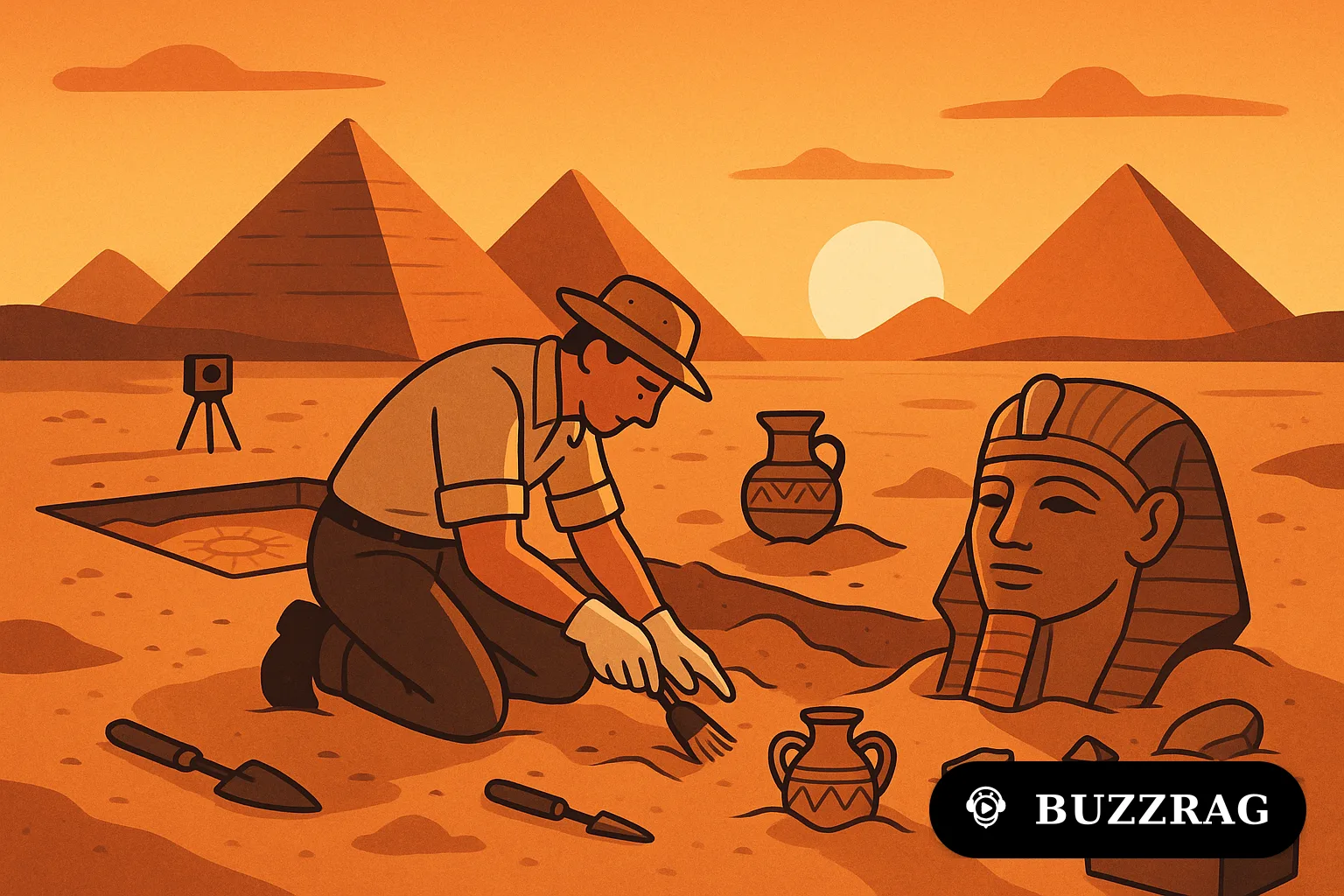
The Predynastic Period in Egypt, spanning from 6000 to 3150 BCE, serves as a silent prelude to the illustrious chapters of Egyptian history. Without written records, this era remains a canvas painted through archaeological discoveries that whisper tales of early societal structures and cultural practices. Excavations reveal pottery, tools, and remnants of settlements, offering glimpses into the lives of people who laid the groundwork for one of history's most iconic civilizations.
Understanding the Predynastic Period is crucial, as it frames the evolution of complex societies in the Nile Valley. This era saw the transition from nomadic groups to settled communities, fostering advancements in technology and social organization. The period's artifacts, from intricate ceramics to early forms of artistic expression, highlight the ingenuity and adaptability of these ancient people. As scholars piece together this enigmatic epoch, we gain insights into the foundational elements that would later define the grandeur of Pharaonic Egypt.
Tartessian Chariot Reveals Lost Civilization's Secrets
In southwestern Spain, a 2,500-year-old bronze chariot adorned with mythological figures has emerged from the sands of time to shed light on the enigmatic Tartessian civilization. Known for their expertise in metallurgy, the Tartessians flourished in the Iberian Peninsula from the 9th to 5th centuries B.C. This recent archaeological find, rich in artistic detail, provides a rare glimpse into their sophisticated culture and technological prowess.
The discovery of the chariot not only enriches our understanding of Tartessian art but also underscores the civilization's interactions with neighboring cultures. The intricate designs on the chariot reflect a narrative steeped in mythological symbolism, hinting at the Tartessians' spiritual beliefs and societal values. As researchers delve deeper into the chariot's origins, they unravel threads connecting this lost civilization to the broader tapestry of ancient Mediterranean history, revealing a complex web of cultural exchanges that shaped early European societies.
Odysseus's Journey: A Timeless Tale of Homecoming
Homer's 'Odyssey' stands as a monumental narrative in Greek mythology, chronicling the arduous journey of Odysseus as he strives to return home after the Trojan War. This epic tale of perseverance and cunning resonates through centuries, offering rich allegories about human resilience and the quest for identity. Odysseus's encounters with mythical creatures and divine interventions serve as metaphors for the struggles and triumphs inherent in the human experience.
The 'Odyssey' endures not only as a literary masterpiece but as a cultural touchstone, influencing countless works in literature, art, and philosophy. Its themes of loyalty, intelligence, and the longing for home remain universally relevant, inviting new interpretations and adaptations in diverse contexts. As we reflect on this epic, we are reminded of the enduring power of storytelling to illuminate the complexities of life and the timeless nature of the hero's journey.
Stoicism's Political Edge: Beyond Passive Acceptance
In contemporary discourse, Stoicism is often misconstrued as a philosophy of passive endurance. However, as philosopher Massimo Pigliucci argues, it offers a robust framework for active engagement with the world. Central to Stoicism is the dichotomy of control, which helps individuals distinguish between what they can and cannot influence. This clarity is not about resignation but empowerment, fostering resilience and reasoned action in the face of adversity.
Stoicism's relevance extends to the political realm, where its principles can guide more thoughtful and sustainable forms of civic engagement. By focusing on rational discourse and ethical leadership, Stoicism equips individuals to navigate complex societal challenges with composure and integrity. As modern society grapples with political polarization and existential threats, revisiting Stoic teachings offers valuable insights into cultivating a more just and harmonious world.
Star Forts: Architectural Marvels of Defense
Star forts, with their distinctive angular designs, represent a pinnacle of military architecture developed during the Renaissance in Italy. These fortifications were engineered to counter the devastating impact of cannon fire, reflecting a sophisticated understanding of geometry and physics. Their influence traveled far beyond Europe, notably inspiring the design of Fort McHenry in the United States, where the Star-Spangled Banner was penned during the War of 1812.
The enduring legacy of star forts lies in their innovative approach to defense and their role in shaping modern warfare tactics. As architectural studies continue to explore these structures, they reveal a profound intersection of art, science, and military strategy. The adaptation of these principles across continents demonstrates the universal quest for security and the inventive spirit driving human progress. In a world still grappling with conflict, the lessons of star forts remain strikingly relevant.
Capitalism and Sugar: A Sweet Yet Bitter History
In 'Unrefined: How Capitalism Reinvented Sugar,' Singerman explores the intricate dance between economics and a commodity that has shaped global history. From the sugar plantations of the Caribbean to the industrial refineries of the West, sugar's journey is a testament to capitalism's transformative and often exploitative nature. The narrative delves into how sugar became a staple of Western diets, driven by imperial ambitions and the labor of enslaved peoples.
Singerman's work challenges readers to reconsider the sweet substance that has fueled economies and shaped societies. The book highlights how sugar's history is intertwined with themes of power, exploitation, and resistance, offering a microcosm of capitalism's broader impacts. As debates over sustainable agriculture and ethical consumption intensify, understanding sugar's past provides critical context for navigating its future.
Assyrian Legacy Unearthed: The Shamash Gate Stele
The recent discovery of a 2,600-year-old marble stele at Nineveh's Shamash Gate offers a rare glimpse into the grandeur of the Assyrian Empire during the reign of King Ashurbanipal. This monumental artifact, adorned with detailed inscriptions, speaks to the political and cultural achievements of one of history's most formidable empires. It reaffirms Nineveh's status as a center of power and learning, reflecting the empire's sophisticated administrative and artistic capabilities.
The stele's unearthing enriches our understanding of Assyrian civilization, highlighting the empire's influence on subsequent cultures in the region. As archaeologists continue to study this find, it provides a tangible connection to the past, illuminating the complexities of ancient governance and cultural exchange. This discovery encourages a reevaluation of Assyria's contributions to world history, reminding us of the enduring impact of its innovations and ideologies.
As new discoveries continue to surface, they remind us that our understanding of history is ever-evolving. These revelations not only illuminate the past but also guide our reflections on the present and future. Keep an eye on how these historical insights might shape modern narratives and global conversations.