BuzzRAG Growth Desk — 2026-07-22

Curated by AI. James Emeka, Personal Development Editor
Today we delve into the complex trade-offs many Americans make for healthcare, the persistence of food safety concerns, and the overlooked role of sleep in athletic performance. We'll also explore the ethical challenges of AI and the benefits of mindfulness and boredom.
The Health Insurance Trap: Job Lock in America
A recent survey reveals that approximately 24% of U.S. employees remain in jobs they wish to leave solely due to health insurance benefits. This phenomenon, known as 'job lock,' has seen a concerning rise since 2021. The implications are significant, suggesting that a substantial segment of the workforce is prioritizing healthcare stability over job satisfaction.
The increase in job lock highlights systemic issues within the U.S. healthcare framework, where employer-provided insurance is a key driver of career decisions. This trend not only affects individual well-being and career growth but also stifles innovation and dynamism in the labor market. For policymakers, this data underscores the urgent need to rethink healthcare accessibility and affordability.
As the debate over healthcare reform continues, the voices of those trapped in unwanted jobs add weight to calls for more universal solutions. Employers, too, may need to reassess how benefits are structured to retain talent based on more than just health insurance.
Cyclospora Concerns: Taylor Farms Lettuce Under Scrutiny
The FDA's recent retraction of a positive Cyclospora test, while still linking Taylor Farms lettuce to a multistate outbreak, raises new questions about food safety standards. Cyclospora cayetanensis, a parasite causing gastrointestinal illness, has been identified in several states, prompting a closer look at supply chain practices.
Despite the test retraction, the connection to Taylor Farms underscores ongoing vulnerabilities in food safety protocols. The implications for consumers are significant, as they navigate conflicting information about what is safe to eat. For producers, this scenario stresses the need for improved tracking and testing systems to prevent outbreaks and maintain public trust.
The incident serves as a reminder of the complexity and fragility of our food systems. It calls for more robust oversight and better communication from agencies like the FDA to ensure consumer safety and confidence.
The Cost of Clean Sport: Sacrificing Sleep for Doping Tests
In the world of professional sports, the quest for clean competition often comes at a high cost. Recent reports from the Tour de France reveal that athletes are being woken in the early hours for anti-doping tests, a practice that disrupts their sleep cycles and potentially impacts performance. Sleep, a critical component of recovery and peak performance, is being overlooked in favor of rigorous testing schedules.
The science is clear: inadequate sleep can impair cognitive function, reduce reaction times, and increase the risk of injury. By prioritizing anti-doping measures over athletes' well-being, organizers may be undermining the very integrity they seek to protect. This dilemma calls for a reevaluation of testing protocols to balance the need for fair play with athletes' health.
This issue shines a light on the broader challenges faced in sports management, where the drive for integrity must be weighed against the physiological and psychological needs of athletes. Future solutions may involve more strategic scheduling and utilizing technology to minimize disruptions.
The Unexpected Power of Boredom
In a world obsessed with productivity, boredom is often seen as the enemy. However, recent studies suggest that allowing the mind to wander during periods of boredom can spark creativity and facilitate deep thinking. These quiet moments are not just a respite from busyness; they are fertile ground for innovation and self-reflection.
The science behind boredom reveals its potential to enhance cognitive flexibility and problem-solving abilities. When not constantly stimulated, the brain can make new connections, leading to creative breakthroughs and a more meaningful engagement with life. Embracing boredom could be a key strategy for personal development and mental health.
As we navigate a digital age fraught with distractions, the ability to tolerate and even appreciate boredom may become a crucial skill. This shift in perspective could redefine how we approach work, leisure, and the pursuit of happiness.
AI and Racism: An Inconvenient Reality
As artificial intelligence becomes increasingly embedded in daily life, concerns about implicit bias and racism in these technologies are mounting. Recent case studies highlight how AI systems, particularly in platforms like Canva, inadvertently perpetuate racial stereotypes. This troubling revelation calls for a reevaluation of how AI is developed and deployed.
Bias in AI arises from the data used to train these systems. If the data reflects societal prejudices, the AI will, too. This presents ethical challenges for developers and users alike, emphasizing the need for diverse data sets and transparent algorithms. The social impact of biased AI cannot be overstated, affecting everything from hiring practices to law enforcement.
Awareness is the first step towards addressing these issues. As we move forward, the tech industry must commit to ethical AI development, ensuring that these powerful tools are used to bridge gaps rather than widen them.
Crafting a Good-Enough Day: Lessons from Nietzsche
Nietzsche's concept of eternal recurrence, wherein one's life is lived repeatedly, invites reflection on how we structure our days. The pressure for perfection can lead to burnout, but embracing the idea of a 'good-enough' day may offer relief and satisfaction. This approach encourages a focus on what truly matters, rather than getting bogged down by an endless pursuit of more.
Research supports the idea that setting realistic expectations and celebrating small victories can enhance well-being and productivity. By reorienting our daily goals, we cultivate resilience and adaptability, crucial traits in today's fast-paced world. This mindset shift encourages individuals to prioritize balance and personal fulfillment over external metrics of success.
As society grapples with the demands of modern life, adopting the good-enough day philosophy could be transformative. It invites a more compassionate view of oneself, reducing the stress associated with constant comparison and competition.
Mindfulness and Martial Arts: Aging Gracefully
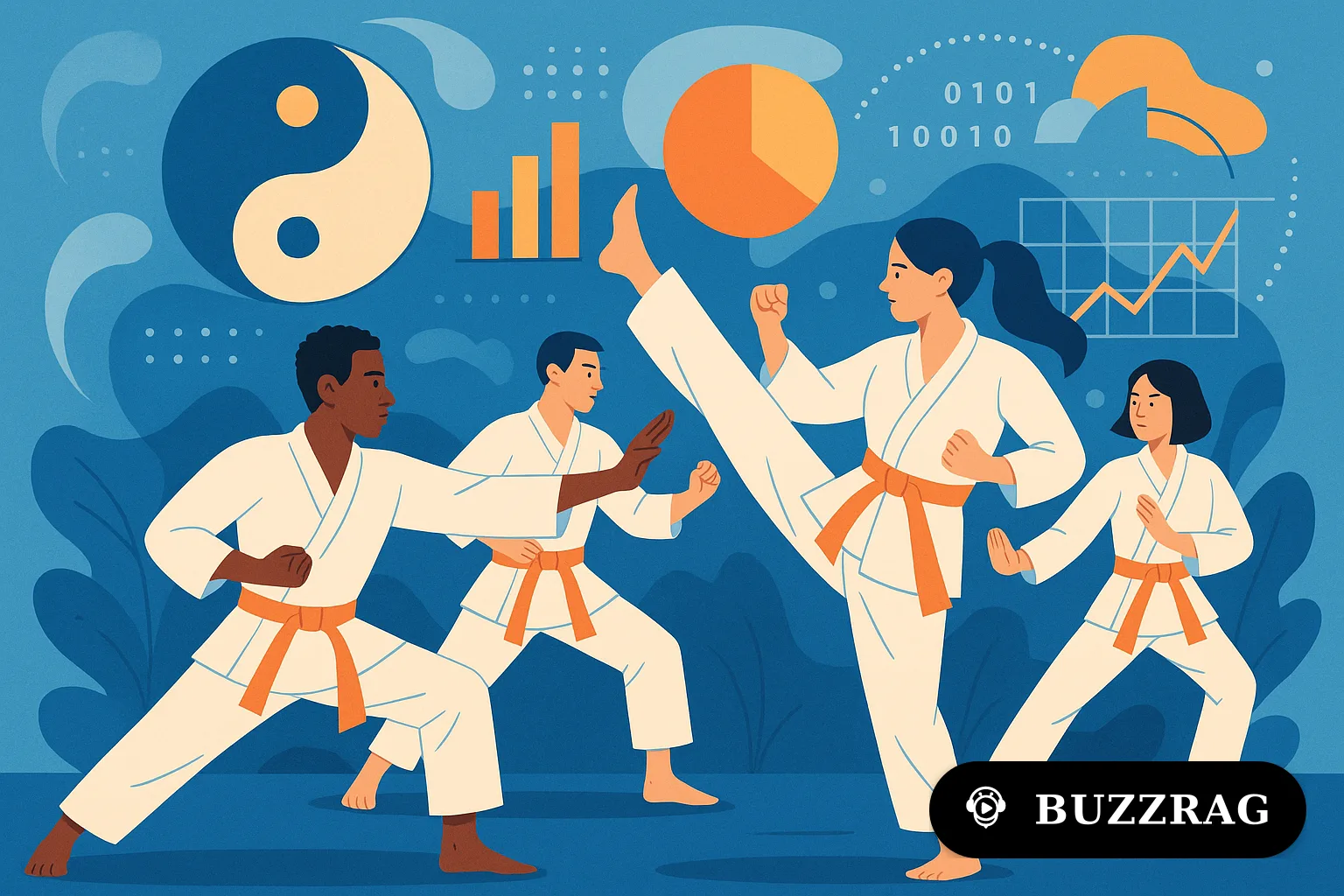
Incorporating mindfulness into physical activities like martial arts offers unique psychological benefits, especially as we age. Grand Ultimate Fist, a form of martial arts, emphasizes mental focus and bodily awareness, making it an excellent practice for maintaining cognitive health in older adults. This holistic approach aligns with growing evidence supporting mindfulness as a key component in aging well.
Studies show that mindfulness practices can improve memory, reduce stress, and enhance emotional regulation. Martial arts provide a structured environment where these skills can be honed, while also offering physical benefits such as improved balance and flexibility. Communities worldwide have embraced these classes as accessible avenues for lifelong learning and health.
As the population ages, finding sustainable ways to promote mental and physical well-being becomes increasingly important. The integration of mindfulness and movement presents a compelling model for aging with grace and vitality, offering lessons for individuals and healthcare systems alike.
As we wrap up today's digest, it's clear that the intersection of well-being, technology, and societal norms continues to evolve. From healthcare challenges to the ethics of AI, these issues demand our attention and action. Keep an eye on how these trends develop and the innovative solutions they may inspire.