BuzzRAG Growth Desk — 2026-07-16

Curated by AI. James Emeka, Personal Development Editor
Today's digest delves into core aspects of personal growth, from building resilience in daily life to understanding the complexities of ADHD-linked conditions. We also explore the challenges of voicing personal needs and the nuances of AI in communication.
Building Resilience: A Daily Practice
Resilience isn't just about bouncing back from adversity; it's a skill that can be nurtured through deliberate daily practices. Recent insights suggest that resilience manifests in diverse ways, such as maintaining stability under pressure or knowing when to seek help. The encouraging news is that most people already possess more resilience than they might realize.
The key to enhancing resilience lies in cultivating specific habits and mindsets that make life's challenges more manageable. This involves not just surviving but thriving under stress, by fostering a mindset that sees challenges as opportunities for growth. The research highlighted by Positive Psychology and Psychology Today underscores the importance of everyday actions in building resilience, making it a tangible goal rather than an abstract concept.
The Struggle to Voice Needs: A Deeper Look
Speaking up about personal needs can be daunting, and this challenge often roots back to early childhood experiences and family dynamics. Many adults find themselves hesitant to voice their needs due to ingrained patterns from the past. This article provides practical strategies to break these patterns and start expressing needs effectively.
Understanding the psychological barriers is the first step toward change. Being aware of these influences helps in crafting a personal communication style that is assertive yet respectful. The insights from multiple sources, including Psychology Today, offer a roadmap for anyone looking to enhance their interpersonal communication skills.
RSD and ADHD: Exploring the Connection
Rejection Sensitivity Dysphoria (RSD) is gaining attention in ADHD communities, but it raises important questions about its clinical recognition. While RSD is frequently discussed online, particularly in forums dedicated to ADHD, its status as a formal diagnosis remains unclear.
The discourse around RSD highlights a broader issue in mental health: the gap between lived experiences and clinical recognition. This topic invites further research and dialogue within the medical community to better understand and address the needs of individuals experiencing RSD symptoms.
Survival Lessons from the Colorado Wilderness
An injured hiker's survival story on Colorado's Broken Hand Pass serves as a powerful lesson in backcountry preparedness. Equipped with a carefully curated packing list, she endured a cold night until rescue arrived. This incident underscores the critical importance of preparation and knowledge in outdoor adventures.
The list, shared by search-and-rescue experts, includes essential items that can make the difference between life and death in the wild. This narrative not only provides practical advice for hikers but also emphasizes the unpredictability of nature and the value of readiness.
AI in Conversations: A Critical Question
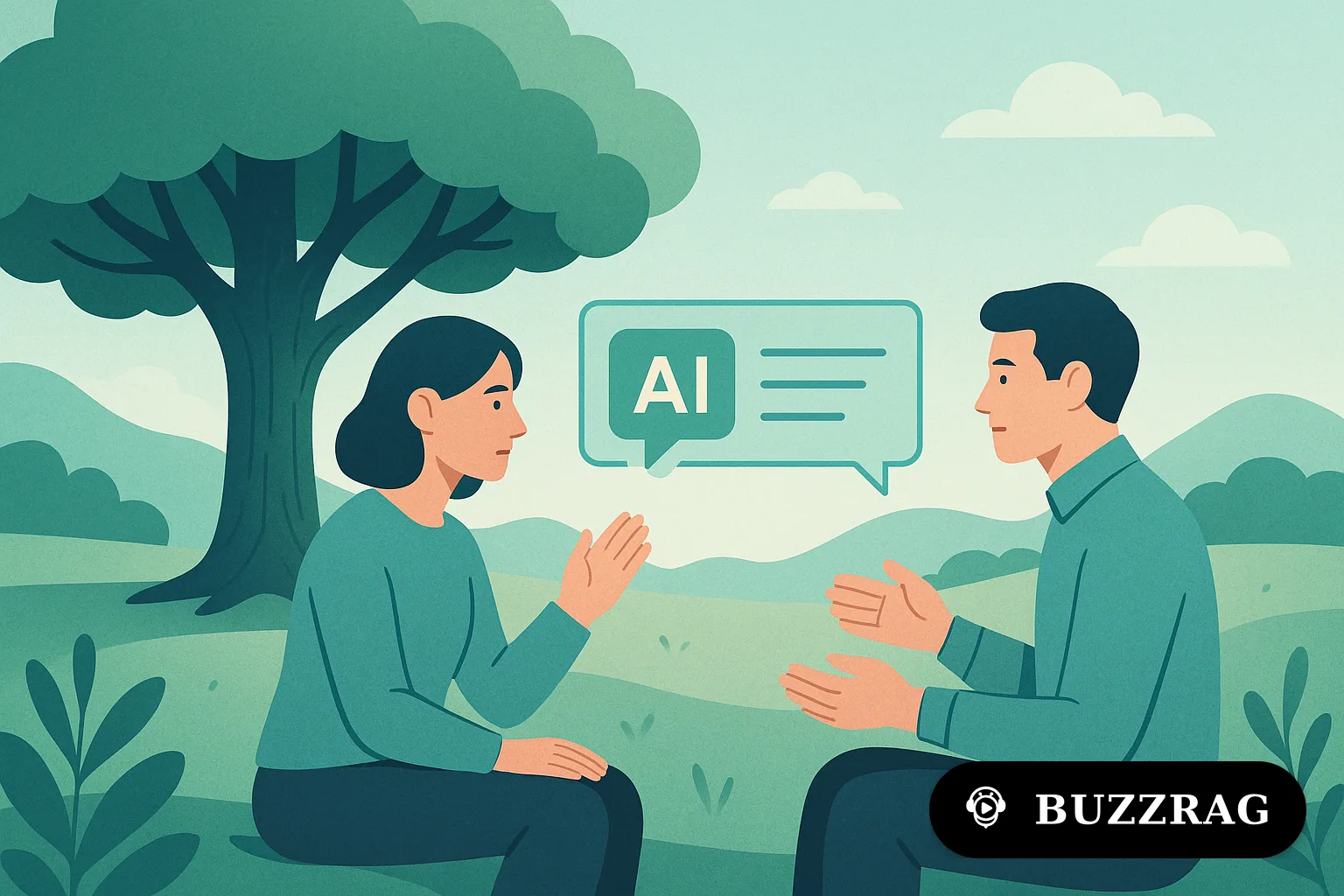
AI tools can assist in crafting difficult conversations, but they have limitations, primarily knowing only one side of the story. Before sending an AI-generated message, it's crucial to consider the question: Does this message truly reflect the complexity of the situation?
This consideration is vital as AI increasingly integrates into personal communication, potentially altering the dynamics of how we express and resolve interpersonal issues. Ensuring that AI's role enhances rather than oversimplifies communication is essential for maintaining authentic relationships.
As personal growth continues to intersect with technology and mental health research, staying informed is key to navigating these changes effectively. Keep an eye on emerging insights and tools that can aid in managing the complexities of modern life.