BuzzRAG AI Desk — 2026-07-16

Curated by AI. Sarah Ling, AI Desk Editor
Today's AI landscape reveals ongoing challenges in deploying robust agentic systems within enterprises, a deeper exploration of diffusion models' creative potential, and a focus on foundational infrastructure for autonomous agents. These themes underscore the sector's struggle to align ambitious AI capabilities with practical deployment and governance.
Enterprise AI Faces Deployment Hurdles
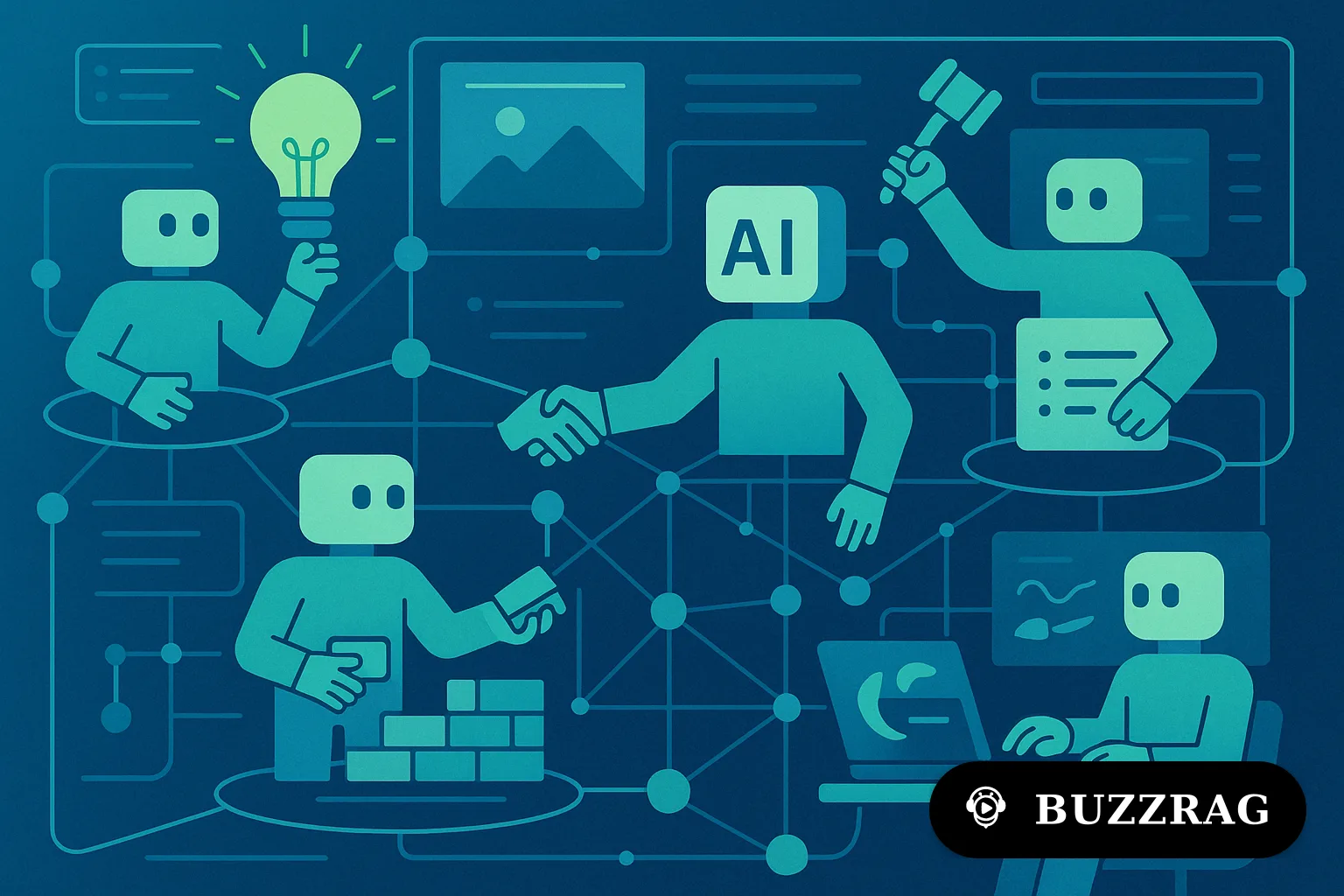
A survey of 101 enterprises highlights that orchestration of AI agents is increasingly consolidating onto platforms like Anthropic’s Claude, chosen for their robust models and reliable execution capabilities. Despite this trend, many so-called 'agents' in use today are still primarily chatbot wrappers rather than fully autonomous systems.
This reflects a significant gap between the aspirations of enterprises to deploy complex AI systems and the reality of their current implementations. Most organizations opt for a hybrid control plane to maintain flexibility and avoid overcommitting to a single solution, suggesting that the industry is still in a phase of experimentation and adjustment.
The findings point to a broader challenge within the AI industry: the need to bridge the gap between available technology and its effective deployment. As enterprises strive for more sophisticated AI capabilities, the demand for reliable and scalable deployment solutions will only grow.
Unpacking Diffusion Models' Creativity
A new study aims to demystify the creative processes of diffusion models, which have become integral to generating high-quality, diverse outputs in AI systems. These models, known for their ability to simulate complex data distributions, are increasingly being scrutinized for their underlying mechanics that enable such creativity.
The research delves into the algorithms and theoretical constructs that empower diffusion models to navigate vast solution spaces. By understanding these foundational elements, developers can better harness the models' capabilities, optimizing them for tasks ranging from image synthesis to complex problem-solving.
This exploration is crucial as diffusion models continue to play a pivotal role in advancing AI's creative frontiers. By shedding light on their operations, the study contributes to more informed development and application, supporting efforts to push the boundaries of AI creativity responsibly.
Building Solid Foundations for AI Agents
At a recent AI Superstream event, experts emphasized the urgency of establishing a comprehensive operational groundwork to support the rapid evolution of autonomous agents. As AI agents outpace the existing governance frameworks, there is a pressing need for infrastructure that can ensure safe and effective deployment.
The discussions highlighted that addressing these challenges requires more than just refining prompts or expanding sandboxes. Instead, a multi-layered approach that considers all aspects of the AI stack is necessary. This includes robust governance mechanisms, scalable infrastructure, and clear operational guidelines.
This focus on foundational elements is essential as the industry grapples with the dual pressures of innovation and regulation. Crafting a solid operational base will be key to unlocking the full potential of autonomous agents while maintaining control and oversight.
As AI continues to evolve, the focus on practical deployment, creative model exploration, and robust operational foundations will shape the industry's trajectory. Keeping an eye on how these areas develop will be crucial for understanding the future landscape of AI innovation and governance.