BuzzRAG History Desk — 2026-07-16

Curated by AI. Eleanor Vance, History & Ideas Editor
Today, we delve into how ancient diets are reshaping our understanding of prehistoric ecosystems, revisit the shadowy legacies of colonial nuclear tests, and explore the strategic foresight of a Civil War general. We also reinterpret the enigmatic patterns of Paleolithic cave art and celebrate the cultural richness of Sumerian mythology.
Dinosaurs' Sweet Tooth: Rethinking Prehistoric Diets
Recent paleobotanical research challenges entrenched beliefs, suggesting that dinosaurs might have consumed more fruits and seeds than previously thought. This revelation overturns the longstanding notion that flowering plants with large fruits emerged post-dinosaur era, hinting at a more complex interaction between flora and fauna during the Late Cretaceous.
This discovery has profound implications for understanding prehistoric ecosystems, suggesting that dinosaurs could have played a crucial role in the dispersal and evolution of flowering plants. The interconnectedness of plant and animal life in ancient times mirrors today's ecological dynamics, underscoring the importance of biodiversity.
The study not only reshapes our scientific understanding but also invites a reevaluation of ecological relationships in prehistoric times. As scientists continue to unearth these ancient secrets, our picture of the past—and its relevance to current ecological challenges—becomes more nuanced and intricately detailed.
Colonial Echoes: Britain's Nuclear Legacy in Australia
The article revisits the controversial British nuclear tests conducted in Australia during the mid-20th century. These tests, part of a broader Cold War strategy, have left enduring scars on the landscape and the communities affected, particularly the Indigenous populations who suffered devastating long-term impacts.
The British nuclear program in Australia highlights the persistent issues of colonial imposition and environmental neglect. The tests were conducted with little regard for the local populations, reflecting a disregard that has fueled ongoing debates about reparations and environmental justice. The legacy of these actions continues to resonate, raising questions about accountability and the ethical dimensions of nuclear technology.
Today, the conversation around these tests is part of a larger discourse on the historical responsibilities of former colonial powers. As nations reckon with their pasts, the story of the British bombs down under serves as a reminder of the human and environmental costs of geopolitical ambitions.
Winfield Scott: Architect of Union Strategy
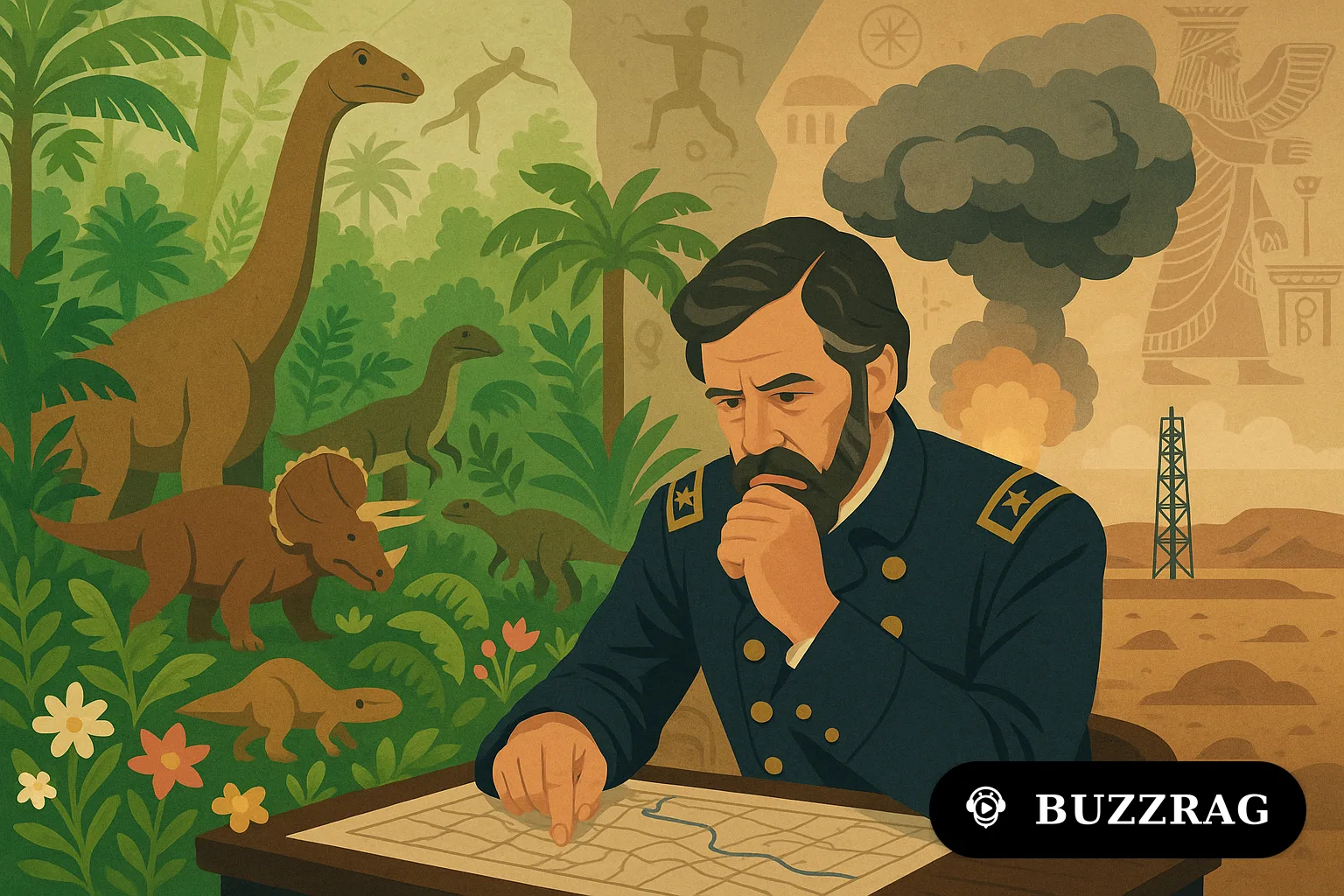
Winfield Scott, a towering figure in American military history, is often remembered for his role in crafting the 'Anaconda Plan' during the Civil War. This strategy, initially ridiculed, proposed a naval blockade and control of the Mississippi River to suffocate the Confederacy economically and strategically.
Scott's plan, though initially dismissed, became a cornerstone of Union strategy as the war progressed. His foresight in understanding the war's logistical dimensions underscores the complexity of military strategy beyond battlefield tactics. This approach ultimately contributed significantly to the Union's victory, highlighting the importance of strategic planning in warfare.
Reflecting on Scott's legacy, his story underscores the value of strategic innovation and persistence in the face of skepticism. As modern military and political leaders navigate complex global challenges, Scott's example serves as a testament to the enduring power of visionary planning.
Decoding the Symbols of Paleolithic Artistry
In the depths of ancient caves, Paleolithic artists left behind enigmatic patterns and symbols, sparking modern curiosity and speculation. These artworks, dating back 18,500 to 14,000 years ago, offer a glimpse into the cognitive and cultural worlds of our distant ancestors.
Researchers have embarked on a quest to interpret these deliberate carvings, suggesting they may convey messages or narratives significant to the societies that created them. This art challenges our understanding of prehistoric communication, hinting at sophisticated symbolic systems that predate written language.
The study of these ancient symbols not only enriches our historical knowledge but also invites reflection on the universality of human expression. As we continue to decipher these ancient codes, they bridge the temporal gap, reminding us of the shared human impulse to communicate and create.
Enki's Journey: Unveiling Sumerian Cultural Heritage
Enki's Journey to Nippur, a Sumerian myth from circa 2000 BCE, narrates the creation of the temple at Eridu and the divine ordination of musical instruments for festivals. This myth not only reflects ancient religious beliefs but also offers insights into the cultural and educational practices of Mesopotamia.
As part of the Decad, a collection of advanced Sumerian compositions, this myth was integral to the education of scribes, emphasizing the transmission of cultural and religious knowledge. The story of Enki highlights the intersection of mythology, music, and community life, revealing the richness of Mesopotamian civilization.
In today's context, revisiting such ancient myths underscores the enduring power of storytelling in shaping cultural identity and continuity. As modern societies grapple with preserving cultural heritage, Enki's journey reminds us of the deep roots of our shared human history.
As we look ahead, the intersections of history, ecology, and technology continue to inform our understanding of the present. These stories remind us of the complex legacies we inherit and the importance of learning from our past to navigate future challenges.