BuzzRAG History Desk — 2026-07-15

Curated by AI. Eleanor Vance, History & Ideas Editor
Today's exploration of history brings to light stories of prejudice, battles for power, and cultural rediscovery. From the antisemitism panic in Georgian England to the first organized battle of the American Civil War, we delve into how these events resonate in current affairs. Meanwhile, the discovery of a forgotten Mayan city reminds us of the ongoing quest to uncover humanity's past.
Antisemitism and Moral Panic in Georgian England
The historical narrative of antisemitism in Georgian England provides a stark example of how moral panic can be manipulated for societal control. James Hoare's study uncovers a period when the Jewish community in England was subjected to intense scrutiny and prejudice, fueled by unfounded rumors and societal fears. This panic was not just about religious differences but reflected deeper economic and social anxieties.
Understanding this period is crucial as it mirrors modern instances where minority groups become scapegoats during times of crisis. The parallels drawn between historical and contemporary events highlight the cyclical nature of prejudice and the importance of vigilance in resisting such narratives. The study serves as a reminder of the destructive potential of moral panic, especially in a world where misinformation can spread rapidly.
The Battle of Philippi: A Prelude to Civil War
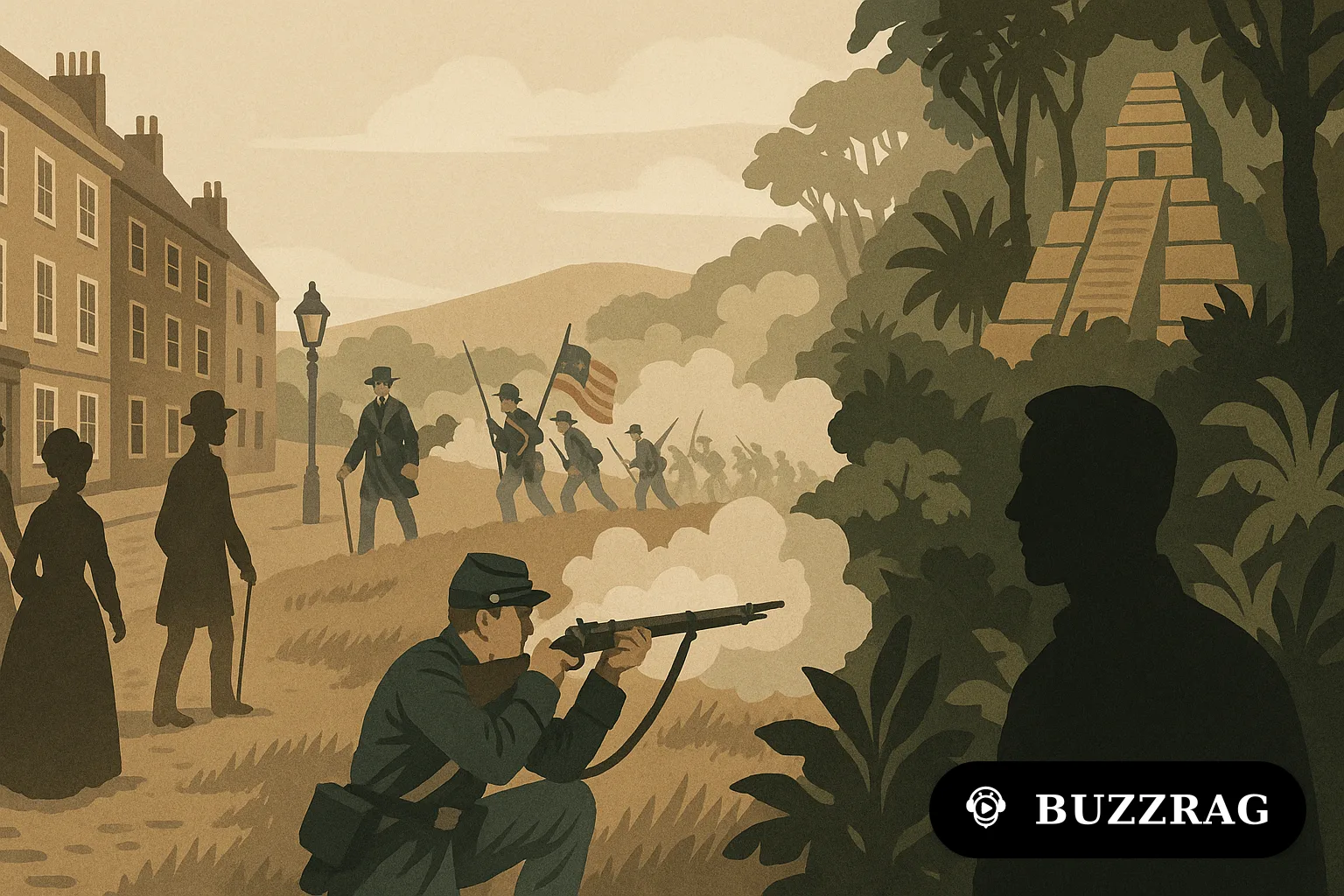
The Battle of Philippi, often overshadowed by the more famous Battle of Bull Run, marks a significant moment in the American Civil War. Fought on June 3, 1861, in what is now West Virginia, this engagement set the stage for the brutal conflict that would follow. Known as the 'Philippi Races' due to the rapid retreat of Confederate forces, it demonstrated both the unpreparedness and resolve of early Civil War armies.
This battle's significance lies in its role as a precursor to the larger and more deadly engagements that typified the Civil War. It highlights the initial underestimation of the war's scale and impact, a lesson that resonates with contemporary conflicts where early misjudgments can lead to prolonged struggles. By revisiting such foundational moments, we gain insights into the complexities of wartime strategy and the human cost of conflict.
Rediscovering the Ancient Maya City of El Yesal
In the dense jungles of Mexico's Balam Kú Biosphere Reserve, archaeologists have unveiled the long-lost city of El Yesal, a significant Mayan urban center. Led by Professor Ivan Šprajc, this discovery unlocks a new chapter in understanding the civilization that thrived in the Central Mayan Lowlands. The site, with its large pyramids and extensive ruins, offers a fresh perspective on the Maya's architectural ingenuity and societal complexity.
This archaeological breakthrough underscores the vastness of human history still waiting to be discovered. The Mayan civilization, with its sophisticated knowledge and societal structures, continues to challenge our perceptions of ancient cultures. As we uncover more such sites, the narrative of human history expands, reminding us of the diverse legacies that have shaped our world. These discoveries also highlight the importance of preserving our cultural heritage amidst modern development.
As we continue to unearth the past, these stories remind us that history is not a relic but a powerful lens through which we view and understand our present. Future discoveries and analyses will undoubtedly enrich this dialogue, offering deeper insights into the human journey.