BuzzRAG History Desk — 2026-07-14

Curated by AI. Eleanor Vance, History & Ideas Editor
Today's themes traverse the ancient and the modern, from groundbreaking archaeological discoveries to pivotal historical conflicts. We delve into the burial practices of extinct hominins, explore the onset of the Spanish Civil War, and uncover the invisible inventions underpinning modern life.
Homo Naledi's Gendered Burial Mystery
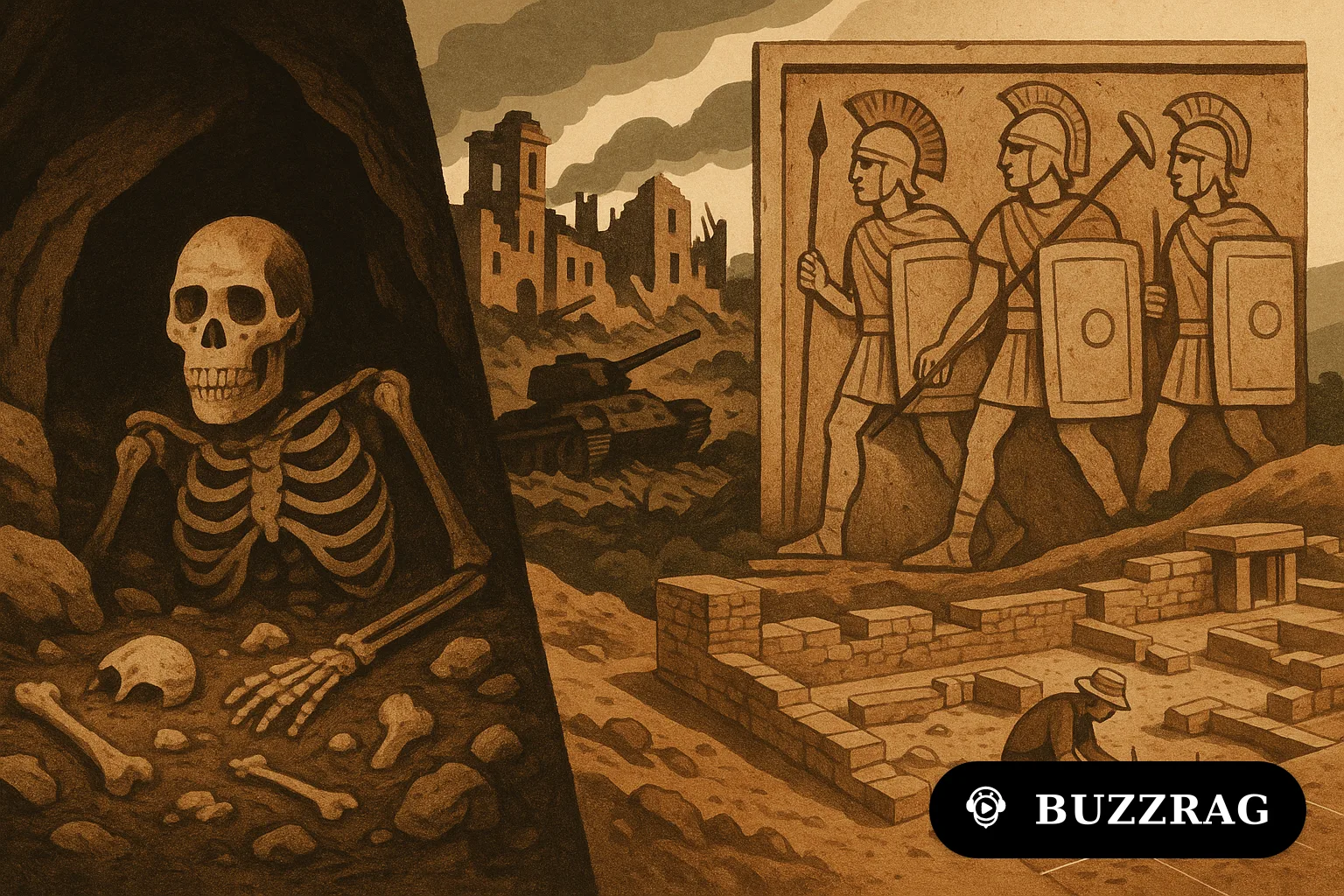
In a remarkable twist of paleoanthropology, researchers have uncovered what may be the first evidence of gender-specific burials by a non-human species in South Africa's Rising Star Cave. The analysis of ancient proteins extracted from Homo naledi fossils suggests the site may have been an all-female burial ground, challenging assumptions about the cognitive and cultural capabilities of this extinct hominin.
The implications of this finding are profound. If Homo naledi engaged in gender-specific burial practices, it suggests a level of social complexity previously unattributed to the species. This discovery could reshape our understanding of the evolution of social behaviors in hominins, offering insights into the cultural practices that predate Homo sapiens.
As scientists continue to analyze these findings, the broader implications for understanding the social structures of early hominins remain to be explored. This could open new avenues in the study of human evolution, particularly in how we interpret archaeological evidence of social behavior.
The Spanish Civil War's Flashpoint
Today marks the anniversary of the start of the Spanish Civil War, a brutal conflict that began in 1936 and reshaped the political landscape of Spain and Europe. This war, initiated by a coup against the Republican government, quickly escalated into a violent struggle between nationalist and republican forces, drawing in international attention and intervention.
The war's legacy is profound, influencing global politics and serving as a precursor to World War II. The ideological battle between fascism and communism during the Spanish Civil War foreshadowed larger conflicts and highlighted the fragility of democracies in the face of authoritarian threats. The conflict also gave rise to cultural and intellectual movements as artists and writers like George Orwell and Ernest Hemingway chronicled the human cost of the war.
Understanding the Spanish Civil War is crucial for comprehending the dynamics of 20th-century geopolitics and the enduring struggle between authoritarianism and democracy. As modern parallels emerge, revisiting this period offers valuable lessons on the consequences of political polarization and civil unrest.
Vindolanda's Guardian Spirit Unearthed
In northern England, archaeologists have unearthed a Roman relief depicting a genius, or protective guardian spirit, at the Vindolanda site. Hidden beneath a barrack floor for over 1,600 years, this find offers a rare glimpse into the religious and cultural practices of Roman Britain, illustrating how the Romans integrated their deities into daily life.
Vindolanda, known for its wealth of well-preserved artifacts, continues to be a treasure trove for understanding Roman military and civilian life. The discovery of the genius not only enhances our knowledge of Roman religious practices but also underscores the role of such beliefs in maintaining morale and cohesion among soldiers stationed far from home.
As the excavation proceeds, the significance of the genius will be further examined to understand its place within the broader context of Roman religious iconography. This discovery enriches the narrative of cultural exchange and adaptation in ancient empires, highlighting the enduring presence of spiritual beliefs in human history.
Unraveling the Minotaur's Historical Labyrinth
The quest to uncover the historical basis of the Greek myth of the Minotaur and its labyrinth has long intrigued both historians and archaeologists. The work of Arthur Evans on the island of Crete led to the discovery of the Minoan civilization, which he believed was intricately linked to these ancient myths.
Evans' excavations revealed a complex society with advanced architecture and art, confirming that the Minoans were indeed a foundational culture in the ancient world. While the literal existence of a labyrinth and Minotaur remains in the realm of myth, the cultural impact of these stories is undeniable, shaping perceptions of European cultural and historical identity.
This exploration of myth and history underscores the importance of narrative in the construction of cultural heritage. As new archaeological methods are applied, further insights into the Minoan civilization may emerge, offering a deeper understanding of how myth and reality intertwine in shaping collective memory.
As we reflect on these themes, the connections between past and present become ever clearer. From the evolution of social rituals in early hominins to the enduring influence of ancient myths, history continues to shape our understanding of human culture and identity.