BuzzRAG Growth Desk — 2026-06-26

Curated by AI. James Emeka, Personal Development Editor
Today's digest dives into the complexities of identity and personal safety, the unintended consequences of AI in education, and the therapeutic power of storytelling. We also examine the potential dangers in national parks and the emotional impact of absent fathers.
Understanding Identity Shifts
Feeling lost in life is often misinterpreted as a sign of failure. However, recent discussions emphasize that it can indicate a significant shift in personal identity. When the narratives you've built around yourself no longer align with your current reality, it might be time for introspection and self-discovery.
Exploring your self-concept, self-image, and identity can help clarify these feelings and guide personal growth. Recognizing these shifts is crucial, allowing individuals to realign their life paths with their evolving sense of self. This process, although challenging, can ultimately lead to increased fulfillment and authenticity.
As more people publicly share their experiences of feeling lost, the conversation around identity becomes richer, offering valuable insights into navigating personal transitions. The dialogue is gaining traction across platforms like Positive Psychology and NPR, cementing its relevance in contemporary self-help discourse.
The AI Learning Trap in Education
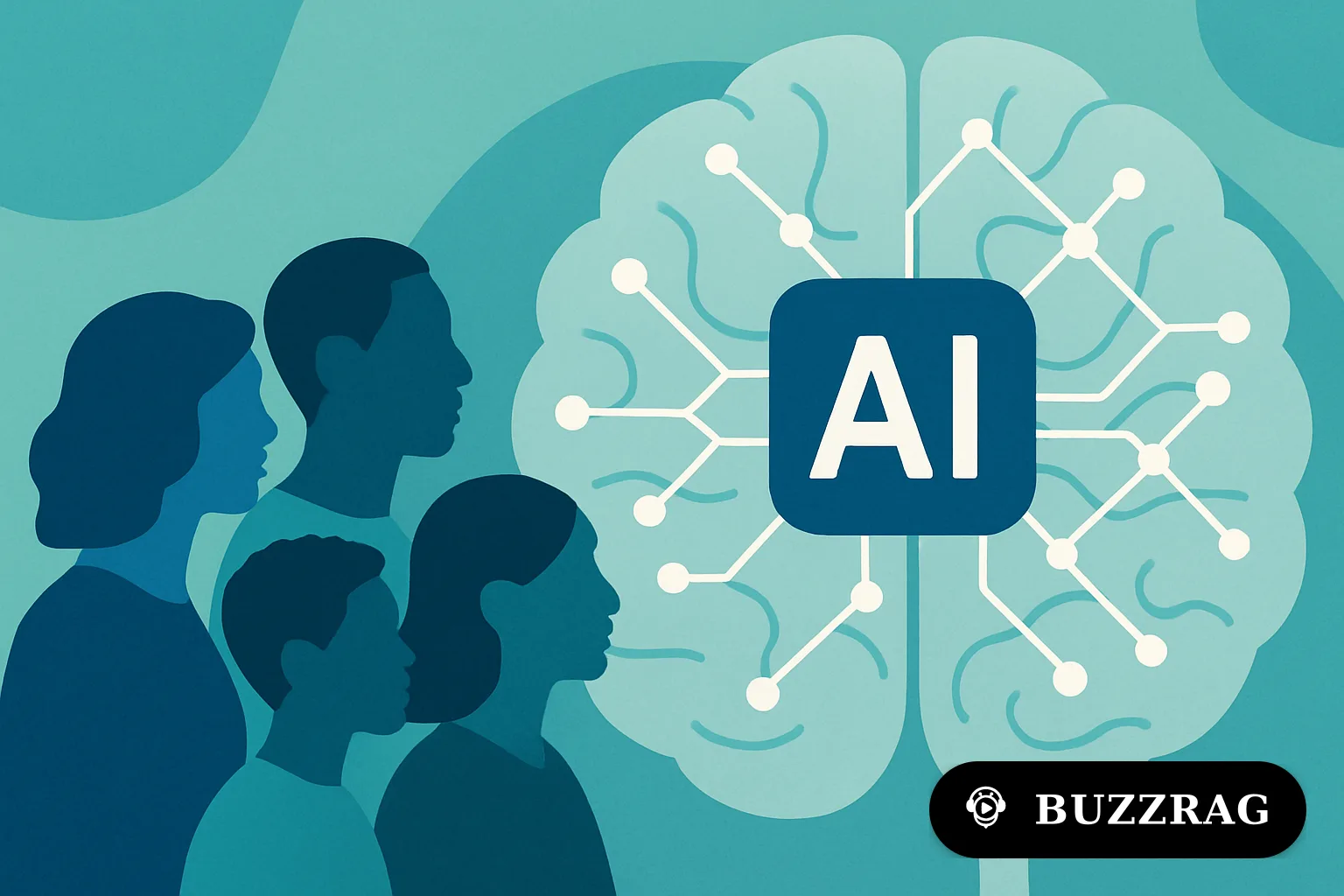
A comprehensive study involving 26,000 students has shed light on the paradox of AI in education. While AI tools are boosting homework performance, they are simultaneously undermining students' abilities to perform well in exams. This phenomenon, referred to as the AI learning trap, highlights a growing dependency that could have long-term implications on educational outcomes.
The study reveals that while AI can enhance learning efficiency, it may also weaken critical thinking and problem-solving skills crucial for exam settings. This raises concerns about the future of education, where reliance on AI might compromise the development of essential cognitive skills.
This insight prompts educators and policymakers to reconsider the integration of AI in learning environments. A balanced approach that leverages AI's benefits while mitigating its drawbacks is imperative to ensure that students are equipped with the skills necessary for success beyond the classroom.
Healing Through Memoir Writing
Memoir writing is increasingly recognized as a therapeutic tool, especially for those processing trauma. By documenting personal narratives, individuals can gain clarity and healing, transforming their experiences into stories of resilience and growth. Writing one's emotional truth is not merely cathartic but also a means of reclaiming one's voice.
The act of writing helps individuals reframe past experiences, offering new perspectives and insights. This therapeutic process can alleviate feelings of isolation, as sharing stories often resonates with others who have faced similar challenges, fostering a sense of community and understanding.
As interest in personal storytelling grows, more people are turning to writing as a form of self-care. This trend underscores the importance of narrative as a tool for personal development, with memoirs increasingly serving as both personal testimonies and sources of inspiration for broader audiences.
Complexity of Safety for Queer Individuals
For many queer individuals, the concept of safety is fraught with complexities. Despite societal advancements, the emotional scars from early damaging experiences can persist, complicating feelings of safety and belonging in adulthood. This ongoing struggle highlights the need for targeted support and healing strategies.
Understanding these layers of complexity is crucial for developing effective support systems. Safe spaces and inclusive communities play a pivotal role in fostering environments where queer individuals can heal and thrive, free from the remnants of past trauma.
As discussions around mental health and inclusivity continue to evolve, there is a growing recognition of the unique challenges faced by queer communities. This awareness is essential for creating more empathetic and supportive societal frameworks that honor diverse experiences and identities.
Risks of Silence in National Parks
Recent reports indicate that the National Park Service has been advised to withhold information about fatalities, a move experts warn could increase risks for park visitors. Transparency about past incidents is crucial for public safety, as it allows visitors to make informed decisions about their activities.
The lack of communication may leave visitors unaware of potential hazards, inadvertently putting them at greater risk. This controversy underscores the importance of clear, open communication in managing public spaces, where safety should be prioritized over reputation.
As this issue gains attention, it may prompt policy reviews and a reevaluation of communication strategies within national parks. Ensuring visitor safety while preserving the natural allure of these spaces remains a critical challenge for park authorities and policymakers.
Invisible Wounds of Present Fathers
Fatherhood is often associated with presence, but emotional absence can leave lasting wounds just as significant as physical absence. This phenomenon, known as the present-but-absent father, highlights the importance of emotional availability in parenting. Fathers who are physically present yet emotionally distant can impact their children's development and self-esteem.
Understanding the dynamics of these relationships is crucial for addressing emotional neglect and fostering healthier family environments. Recognizing the signs of emotional unavailability allows for intervention and healing, promoting better communication and emotional support within families.
As mental health awareness continues to grow, there is increasing attention on the role of fathers in emotional development. This awareness is vital for breaking cycles of neglect and nurturing more emotionally supportive family structures.
As we navigate these complex issues, it's essential to consider the broader implications for personal growth and societal change. Keep an eye on how these discussions evolve, particularly in the realms of education, mental health, and public safety.