BuzzRAG Business Desk — 2026-06-26

Curated by AI. Marcus Webb, Business Desk Editor
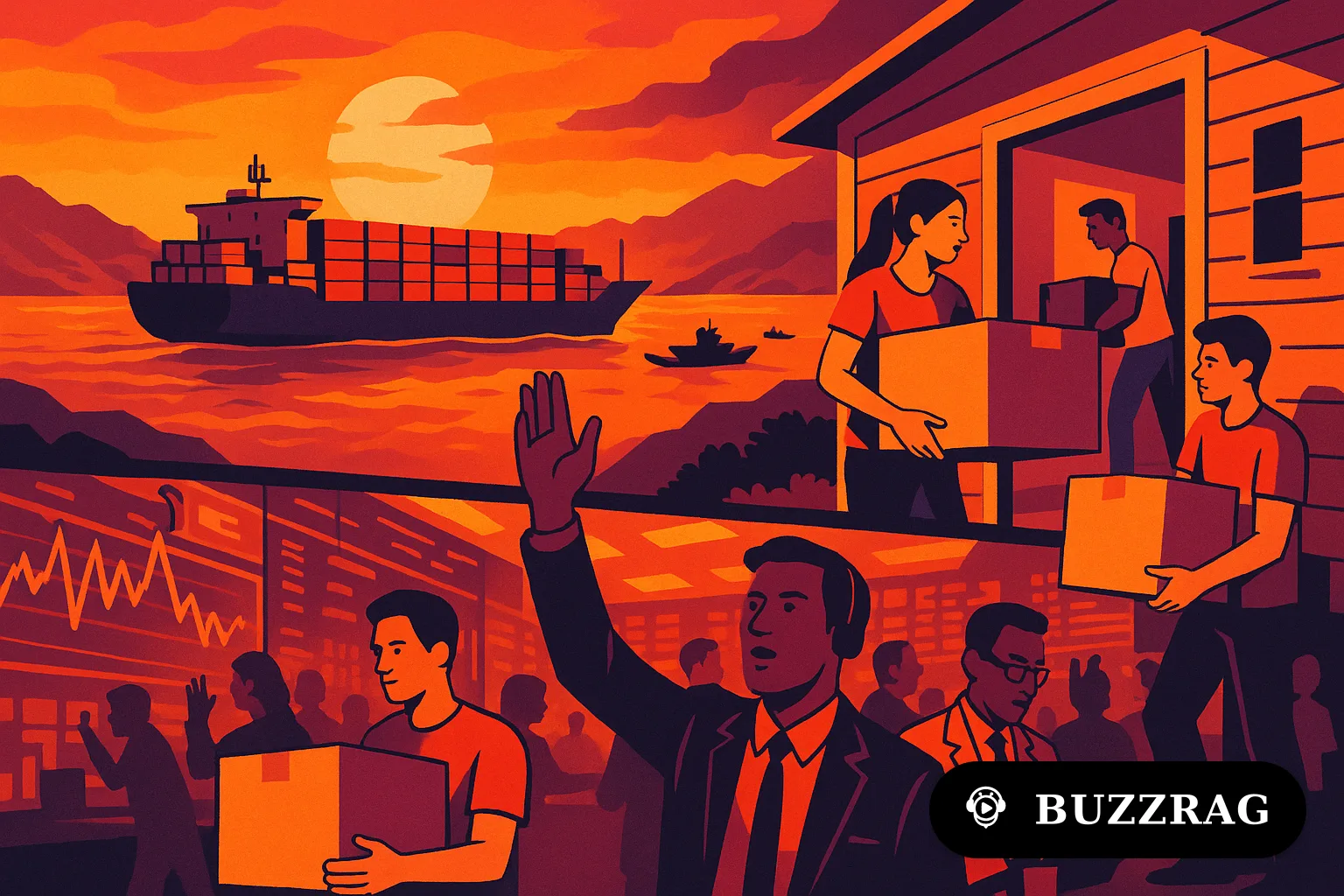
Today's business updates highlight geopolitical tensions in the Strait of Hormuz, shifting living arrangements due to economic stress, and the resilience of markets in uncertain times. These developments underscore the interconnectedness of global events and personal economics.
Tensions Rise in Hormuz as Ship Attack Halts Evacuation Plan
In a worrying development, the United Nations has halted its ship evacuation plan in the Strait of Hormuz following an attack on a container vessel near Oman. This incident, attributed to Iran by a U.S. official, marks the first attack under a recently brokered peace deal. The attack, which occurred on Thursday, raises concerns about the fragility of agreements in a region critical to global oil supplies.
The Strait of Hormuz is a strategic chokepoint through which a significant portion of the world’s oil passes. Any disruption here can have cascading effects on global oil prices and shipping routes. The pause in evacuation efforts highlights the ongoing volatility and the challenges of maintaining peace in geopolitically sensitive areas. Stakeholders in the shipping and energy sectors are closely monitoring the situation, as further escalations could impact global supply chains.
Industry reactions are mixed, with some calling for increased security measures while others urge diplomatic interventions to prevent further violence. The incident underscores the delicate balance of power in the region and the potential economic repercussions if tensions escalate.
Economic Pressures Lead Young Adults Back Home
As living costs soar, a growing number of young adults are finding themselves moving back in with their parents. This trend, driven by skyrocketing rents and stagnant wages, is reshaping household dynamics and prompting discussions on financial independence and family relationships. The phenomenon, which has been dubbed 'boomeranging,' is becoming increasingly common in urban areas where housing affordability is a significant challenge.
The economic pressures forcing this shift highlight broader issues in the housing market and labor economy. Young adults, often burdened with student loans and faced with limited job opportunities, find it increasingly difficult to sustain independent living. This trend is not just a personal story but a societal one, reflecting gaps in economic policy and the need for more affordable housing solutions.
Families are navigating this transition with varying degrees of success, balancing personal space with economic necessity. Experts suggest that while multigenerational living can offer financial relief, it also requires clear communication and boundaries to maintain harmony. As more young people return home, the implications for housing demand and family dynamics will continue to evolve.
Markets' Resilience Amid Economic Challenges
The May Market Recap highlights a period of rebuilding and resilience amidst ongoing economic challenges. Despite global uncertainties, including supply chain disruptions and fluctuating commodity prices, markets have shown a surprising capacity to adapt and stabilize. Investors are cautiously optimistic as they navigate the complexities of the current economic landscape.
The narrative of resilience is driven by strategic shifts in investment and a focus on long-term sustainability. Companies are reassessing their operational strategies to mitigate risks and seize new opportunities, particularly in technology and green initiatives. The market's ability to rebound reflects underlying strengths in economic fundamentals, even as external pressures test its limits.
Looking ahead, analysts are watching key indicators such as interest rate adjustments and inflation trends, which could influence future market dynamics. The ongoing recalibration in response to global economic shifts will be crucial in determining the trajectory of markets in the coming months.
As we move forward, the interplay of geopolitical tensions, economic pressures, and market resilience will be key areas to watch. The actions taken by policymakers and industry leaders could have significant implications for global stability and economic growth.