BuzzRAG Gaming Desk — 2026-10-23

Curated by AI. Kai Tanaka, Gaming Desk Editor
Today’s conversation moves between game development and the wider worlds that share gaming’s audiences: a sequel blending action with strategy, modders entering a major studio team, and a canceled project prompting renewed fan disappointment. Familiar screen and tabletop properties are also drawing attention, though the available details vary considerably.
Animated Series Review: Lore and Laughter Take the Lead
The latest recap and review covers episodes 7–9 of an animated series, describing the run as a blend of lore and comedy. That combination puts the spotlight on a familiar balancing act for serialized storytelling: expanding a fictional world without letting exposition crowd out the character moments and jokes that make an episode enjoyable.
The supplied coverage offers no episode-by-episode plot details, so the clearest takeaway is its emphasis on that tonal mix rather than any specific reveal. For game audiences, animated adaptations and adjacent fantasy storytelling can help keep a wider audience engaged with a fictional universe between releases, but they also need to work on their own terms. Whether these episodes deepen the setting while keeping the humor lively is the central question raised by the review.
A Science-Fiction Board Game Is Set for a Comeback
A long-running science-fiction property’s board game is reportedly making a surprise return next year. The item provides no further details about the edition, its mechanics, or who is producing it, so the news is best read as an announcement of renewed tabletop activity rather than evidence of what the game will offer.
A comeback can mean more than a new box on a shelf: tabletop games give established settings a social, face-to-face format that digital adaptations often cannot replicate. But nostalgia alone is not a design plan. Players will want to know whether the new release preserves the original’s appeal, updates its rules, and makes room for newcomers as well as longtime fans. Those details will determine whether this return is a meaningful revival or simply a familiar name brought back into circulation.
Wo Long 2 Pairs Wuxia Style With Tactical Ambition
A preview of Wo Long 2: Wings of Ember points to a sequel combining Team Ninja’s action-game expertise with strategic elements associated with its Three Kingdoms games. It also teases a distinctly strange encounter: a fight against a horrific spider-like creature. The available description suggests a game trying to broaden its combat vocabulary without abandoning the visceral encounters expected from an action sequel.
The key test will be whether strategy changes how players make decisions in the middle of a fight, rather than sitting beside the action as a separate layer. Wuxia-inspired movement and spectacle can make combat feel fluid, while tactical systems could give encounters more variety and consequence. That blend is promising on paper, but the preview alone cannot establish how well the pieces fit together across a full game. Further demonstrations should show whether the sequel’s systems deepen the challenge or merely add complexity.
Canceled Mass Effect Universe Project Leaves Fans Wondering What Could Have Been
A widely circulated report about a canceled Mass Effect Universe game says the project could have delivered a feature fans had wanted for years. The specific request and the project’s proposed design are not included in the available summary, so the claim should be handled cautiously: this is a glimpse of an unrealized possibility, not a playable plan or a confirmed roadmap for future releases.
The reported cancellation has still prompted a strong response, with fans mourning a game that never reached them. That reaction speaks to the expectations built around long-running fictional worlds, but also to the limits of reading too much into leaks about projects that may change repeatedly during development. The loss is real for the people who wanted that particular experience; what remains unclear is whether any of its ideas could surface elsewhere. For now, the canceled project highlights the distance between fan demand and what a studio can actually ship.
Former Modders Make Up Half of Cyberpunk 2’s Quest Team
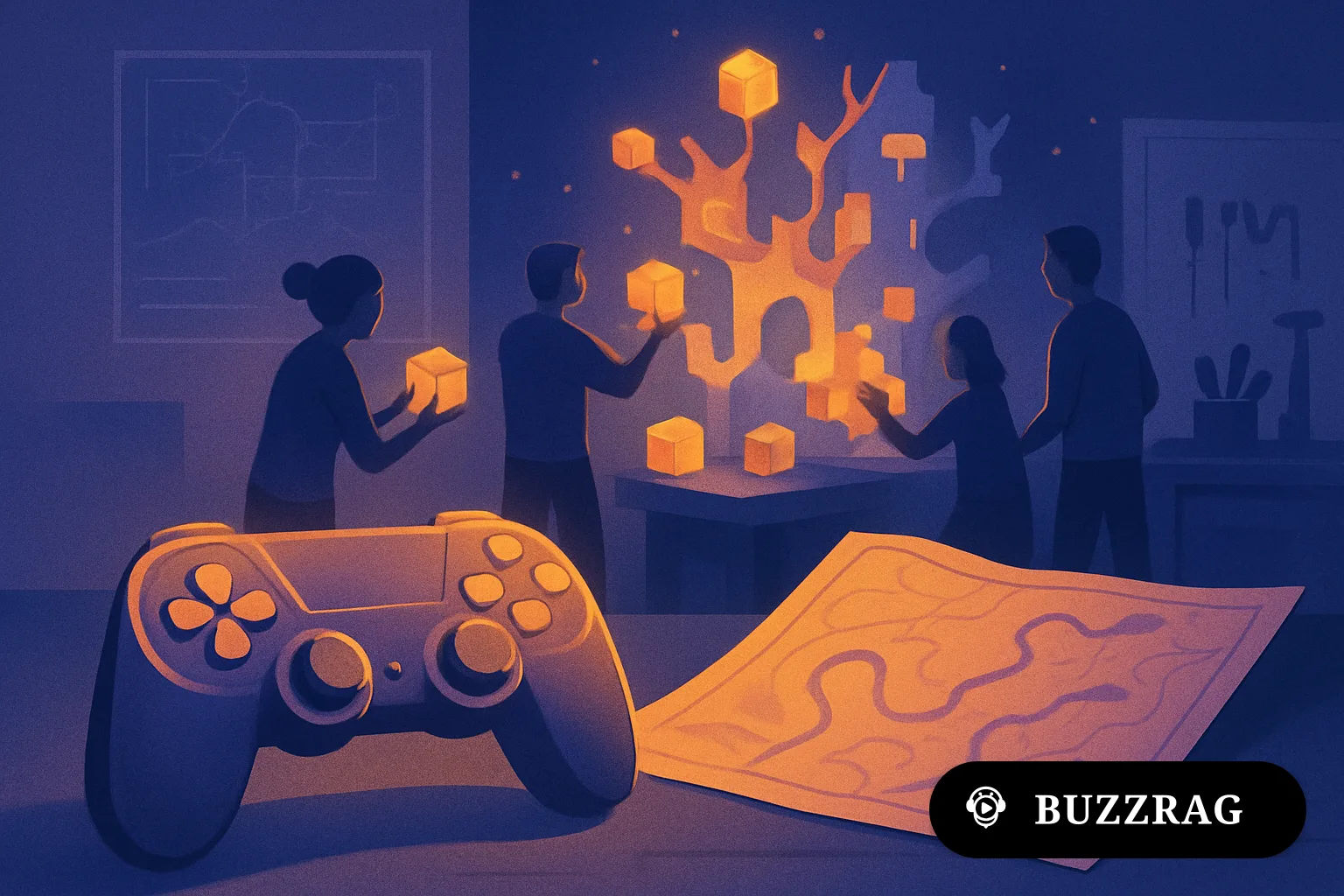
Cyberpunk 2 associate game director Pawel Sasko says that former modders make up about half of the sequel’s quest team, having joined the studio to work on the game. The disclosure offers a rare look at how community-made work can become a route into professional development, especially for people whose experience was built outside traditional studio pipelines.
Modders often learn by changing, extending, or rebuilding existing games, gaining practical knowledge of systems and player expectations along the way. Bringing that experience onto a paid development team can give creators a direct voice in how quests are designed, though the announcement says nothing about individual roles, working conditions, or how the team is organized. The broader point is worth watching: studios increasingly draw on communities that have already spent years experimenting with their games. Recognition is welcome, but lasting opportunity also depends on supporting those workers once they are inside the industry.
Young Sheldon Finale Cameo Draws a Mixed Reaction From Annie Potts
Annie Potts says she felt a little sad about Jim Parsons’ cameo as adult Sheldon in the Young Sheldon finale, objecting to a portrayal she felt left him mean and unchanged. Her reaction brings attention to a familiar creative tension in a concluding cameo: honoring a character’s continuity can satisfy one audience while leaving others wishing the story had shown more growth.
This is television news rather than a game-industry development, but it fits a wider conversation about long-running characters and how audiences judge their arcs across installments. A finale appearance can carry unusual weight because it offers a last impression of a character after years of investment. Potts’ comment is one perspective, not a verdict on the episode, yet it underscores how a small return can reopen questions about whether a beloved figure has changed. For game writers working with legacy characters, the same challenge applies: continuity matters, but so does giving players a reason to believe a journey has moved forward.
The most concrete development for game-making is the reported influx of former modders into a major quest team, while the action sequel preview still has to prove its systems work beyond a pitch. Watch for firmer details on the tabletop revival and canceled-project report—and for studios to show how community talent is being supported, not just recruited.