BuzzRAG Gaming Desk — 2026-09-05

Curated by AI. Kai Tanaka, Gaming Desk Editor
Today’s gaming conversation sits at the intersection of ownership, access, and trust. A high-profile crossover is reportedly using a legal workaround, Nintendo fans are bracing for major announcements, and two industry stories put institutional responsibility under sharper scrutiny—from studio survival to event security.
Sega’s Fortnite Workaround Shows How Flexible Crossover Branding Can Get
Sega appears to have found an unusual way to put Sonic at the center of Fortnite’s latest Battle Pass without technically presenting the character as Sonic himself. The distinction may sound like legal hair-splitting, but it underlines how carefully publishers now navigate character likenesses, licensing agreements, and the commercial machinery of live-service games.
The move is also a reminder that crossover culture is no longer a side attraction. Fortnite’s value to rights holders lies in its ability to turn recognizable characters into recurring player-facing events, while the platform benefits from borrowing cultural visibility that would be expensive to build alone. The workaround may amuse fans, but it also raises a less playful question: how much identity can be altered before a collaboration stops feeling authentic? Players will make that judgment through the Battle Pass, cosmetics, and the wider response to the season.
Nintendo Direct Predictions Build Hype Before the Facts Arrive
With a September Nintendo Direct and a separate Zelda 40th anniversary presentation reportedly approaching, prediction culture is doing what it always does: turning limited information into a sprawling menu of possible announcements. The volume of forecasts reflects both intense audience interest and the company’s ability to keep its plans tightly guarded until the moment it chooses to reveal them.
Predictions can help fans map the questions surrounding Nintendo’s next phase, but they also create expectations no presentation can satisfy in full. The useful dividing line is between informed reading of Nintendo’s release cadence and pure wish-list speculation, especially when anniversary branding encourages people to expect a major retrospective or reveal. The eventual broadcasts will be judged not only on what appears, but on how clearly Nintendo communicates its near-term software strategy and whether the celebration serves players rather than merely packaging nostalgia.
Tim Schafer’s Double Fine Fight Highlights the Fragility of Studio Independence
Tim Schafer says he kept Double Fine afloat after Xbox divested the studio during this summer’s broader restructuring. His blunt claim that nobody puts Double Fine out of business except him is part defiance, part reassurance—and a pointed response to the instability created when a major owner changes course.
The story matters because studio survival is too often discussed as a founder’s personal triumph instead of a workforce and funding problem. Double Fine’s future will depend on more than one executive’s confidence: it will require a sustainable business model, secure employment, and enough creative room to make games without being treated as an interchangeable line on a corporate portfolio. Schafer’s remarks may calm fans who fear the studio’s work is disappearing, but they also expose the recurring cost of consolidation. When ownership shifts, developers inherit the risk while the people who made the acquisition decision move on.
gamescom’s Apology Puts Event Security and Accountability Under the Microscope
gamescom has apologized for its initial response to reports that developers’ equipment was stolen during the event and says it will improve security measures. The second statement acknowledges that the first reaction failed to meet the seriousness of the situation, particularly for developers whose work devices and personal equipment may be essential to their livelihoods.
Large industry events depend on exhibitors and independent teams absorbing considerable costs to show up, often without the resources or institutional protection available to major publishers. Security is therefore not a minor logistical detail; it is part of the event’s duty of care. The apology is a necessary correction, but confidence will be restored through concrete changes: clearer reporting channels, responsive on-site staff, transparent follow-up, and safeguards that do not leave smaller teams carrying the loss. The next test is whether those measures are visible before the next crowd arrives.
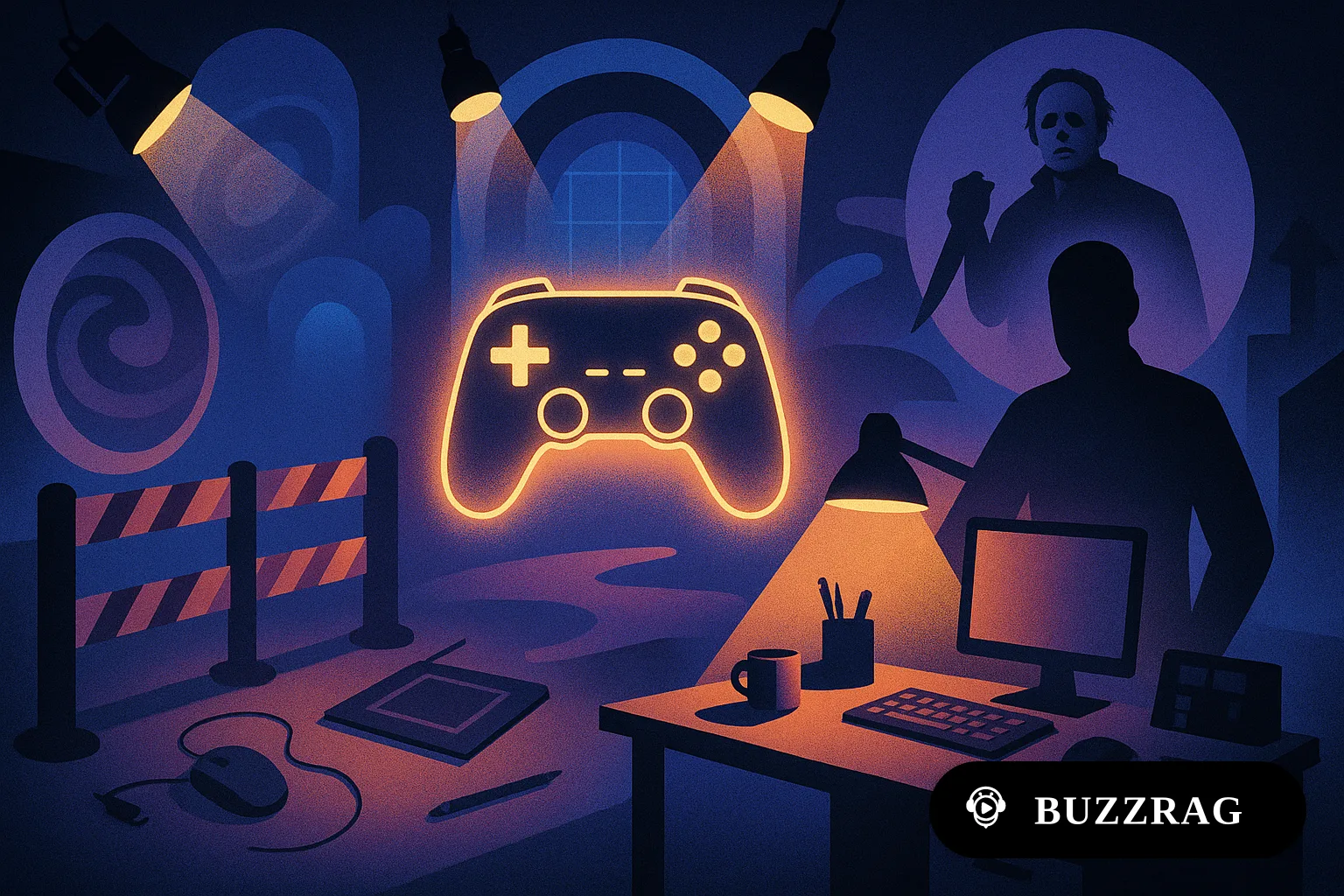
The Early Verdict on Halloween’s Asymmetrical Horror Is More Miss Than Scare
Early reviews suggest Halloween’s asymmetrical horror game is struggling to turn its recognizable premise into a compelling multiplayer experience. The “more trick than treat” assessment points to a familiar problem in licensed horror: a strong identity can attract players at launch, but it cannot compensate for weak pacing, uneven systems, or a lack of reasons to keep returning.
Asymmetrical games live or die by balance and tension. Survivors need meaningful choices, the opposing role needs satisfying power without flattening the match, and both sides need enough variety to prevent repetition from setting in quickly. If the current version is underdelivering, the publisher will need to show whether the shortcomings are fixable through updates or baked into the game’s foundation. Players should judge the final product on its moment-to-moment design rather than the strength of its license, especially in a multiplayer market already crowded with better-established alternatives.
The next few days should clarify whether Nintendo’s anniversary plans can convert speculation into substance, while the Double Fine and gamescom stories will be measured by actions rather than statements. For players, the broader pattern is clear: branding can generate attention, but trust still comes from durable games, accountable institutions, and working conditions that do not treat people as expendable.