BuzzRAG Gaming Desk — 2026-09-02

Curated by AI. Kai Tanaka, Gaming Desk Editor
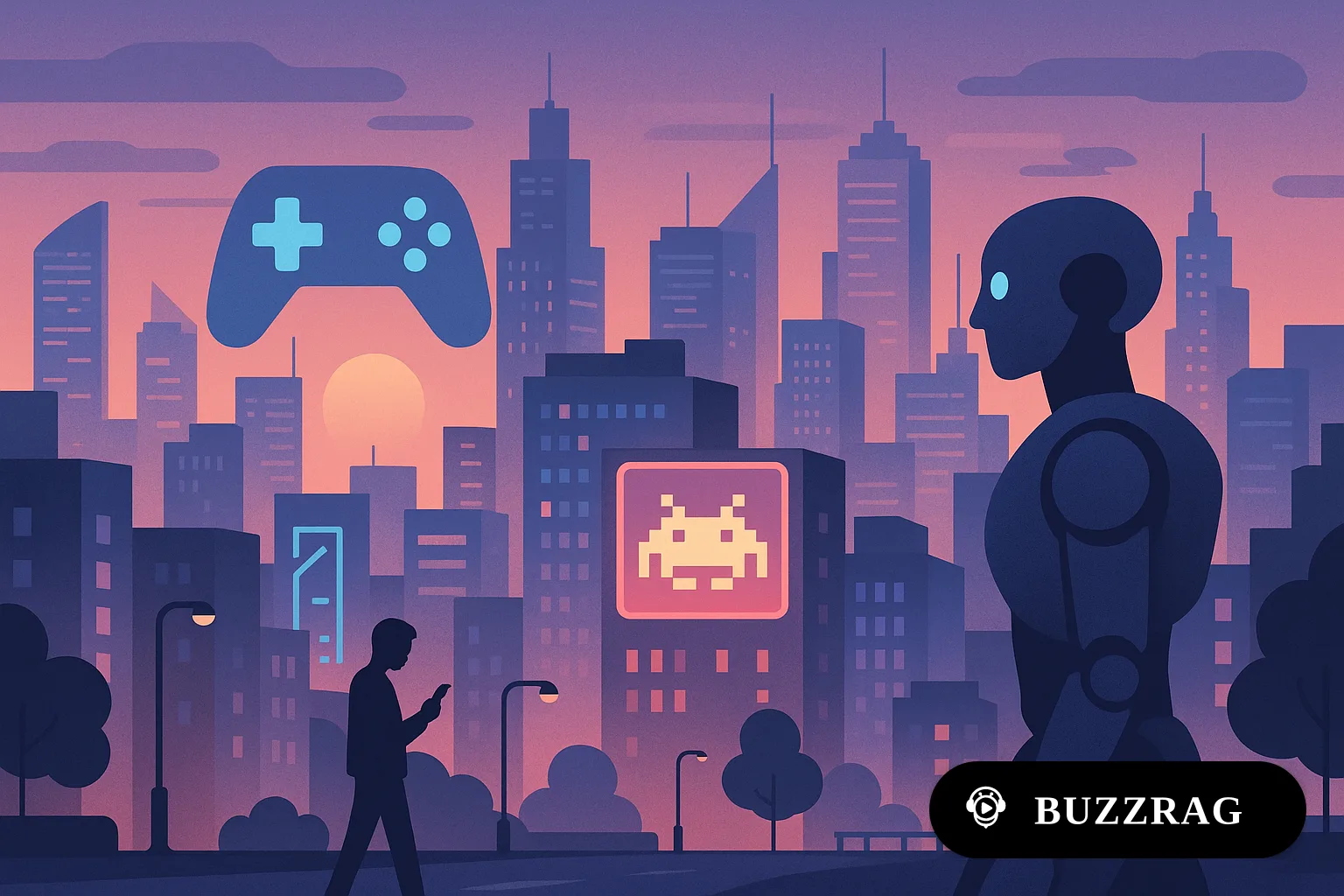
Today's gaming landscape is shaped by significant updates, cinematic milestones, and shifts in tech investment. Nintendo's latest enhancement to a beloved classic meets the intersection of gaming and film, while industry leaders navigate economic challenges.
Nintendo Switch 2 Elevates Mario Kart 8 Multiplayer
Nintendo has rolled out an update for Mario Kart 8 Deluxe, integrating support for the Nintendo Switch 2. This update brings a significant overhaul, including the introduction of 8-player split-screen multiplayer and a 96-course marathon VS Race. It's a bold move by Nintendo to keep one of its flagship titles fresh and relevant as the system transitions to new hardware.
The expanded multiplayer capabilities are a notable enhancement that could reinvigorate local multiplayer gaming, a cornerstone of Nintendo's appeal. With the update, players can now enjoy more expansive and competitive races, broadening the social gaming experience that the Switch is known for. These updates also reflect Nintendo's commitment to maintaining a robust library of enhanced titles as it shifts focus towards the new console.
This update may set a precedent for how other game developers approach updates for existing titles in the face of new console generations. As Nintendo continues to innovate, it reinforces the importance of sustaining player engagement through meaningful content upgrades.
GTA 6 Cinematic Preview Dominates Streaming Charts
The latest entry in the Grand Theft Auto series has made an unexpected splash in the realm of streaming media. A 27-minute extended cinematic preview of the upcoming game has soared to the top of Netflix's movie charts, capturing the number one spot in 87 countries. This crossover event highlights the blurred lines between gaming and traditional media platforms.
The success of this cinematic preview underscores the cultural impact of the Grand Theft Auto franchise, illustrating how gaming narratives are increasingly resonating with broader audiences. By leveraging a platform like Netflix, the developers are tapping into a vast audience, potentially attracting viewers who may not be traditional gamers but are drawn to high-stakes storytelling.
As gaming narratives continue to evolve, the integration with platforms like Netflix suggests a future where games and films are ever more intertwined. This move could pave the way for more game publishers to explore non-traditional media channels to expand their reach and impact.
Tokyo Bids Farewell to Iconic Gundam Statue
Tokyo's life-sized Gundam statue, a towering symbol of fandom and engineering, is set to be dismantled after nine years of delighting visitors. The announcement has spurred a wave of nostalgia and gratitude among fans who have long viewed the statue as a cultural landmark.
The dismantling of the statue marks the end of an era for both locals and tourists who have come to associate the giant robot with the vibrant Odaiba district. The decision to remove the statue comes as part of a broader redevelopment plan, although specific details about a possible replacement have yet to be announced. This move reflects the ongoing evolution of urban spaces and the challenge of balancing cultural icons with new development needs.
The removal of such a beloved figure highlights the transient nature of pop culture landmarks. As fans express their sorrow and share memories, the event underscores the emotional connections forged through shared cultural touchstones.
Star Wars Game's Titanfall Origins Revealed
Recent revelations have unveiled that the Star Wars Zero Company game, currently in development, was initially conceived as a part of the Titanfall universe. This surprising origin story has intrigued fans of both franchises, offering a glimpse into the creative processes that shape major game projects.
The pitch for Zero Company to exist within the Titanfall universe suggests that the developers originally envisioned a shared narrative or mechanical framework that could bridge the two franchises. However, due to various strategic and licensing decisions, the project ultimately shifted to the Star Wars universe, showcasing how fluidly game concepts can evolve during development.
This insight into the game's development process highlights the complexities and negotiations involved in creating modern games. Fans of both series might speculate on what could have been, while also anticipating how these initial ideas might influence the final product's gameplay and storytelling.
CD Projekt Red Faces Next-Gen Console Delays
Michał Nowakowski, joint CEO of CD Projekt Red, has expressed a lack of concern over potential delays for next-gen consoles amid soaring RAM prices. The statement comes as the gaming industry grapples with economic pressures impacting hardware production and distribution.
CD Projekt Red's position reflects an industry-wide challenge where hardware development is increasingly affected by global supply chain issues. Rising RAM prices, a key component in console manufacturing, threaten to push back release schedules for next-gen systems. Despite these hurdles, Nowakowski remains optimistic, suggesting that the studio's development timelines are flexible enough to adapt to such delays.
The ongoing economic turbulence underscores the need for game developers and hardware manufacturers to remain agile. How CD Projekt Red navigates these challenges might influence other studios facing similar pressures, setting an example for how to manage expectations and maintain consumer confidence in uncertain times.
As the gaming industry continues to intersect with streaming and urban development, players and developers alike must navigate these evolving landscapes. Watch for further updates on console advancements and how economic factors may reshape the release schedules of highly anticipated titles.