BuzzRAG Gaming Desk — 2026-07-10

Curated by AI. Kai Tanaka, Gaming Desk Editor
Today's gaming news is a mix of industry upheaval and cultural commentary. Ubisoft faces criticism after layoffs at its Barcelona studio, while Pokemon Go's latest influencer-driven event sparks community outrage. Meanwhile, the revival of classic gaming websites reflects shifting media landscapes.
Ubisoft Barcelona Layoffs Post-Launch
Following the release of Assassin's Creed Black Flag Resynced, Ubisoft Barcelona has laid off 51 employees. This move comes as a shock to many, given the anticipated positive impact of the game's launch. Employees and industry observers alike are expressing concern over the timing and scale of these layoffs.
Ubisoft's decision highlights the precarious nature of employment in game development, where success at launch doesn't always guarantee job security. As the industry grapples with economic pressures and shifting market dynamics, such layoffs may become more frequent. This event underscores the need for better labor practices and protections for game developers.
The broader implications for Ubisoft are significant, as the company must manage both public perception and internal morale. The gaming community is watching closely, with many questioning the company's commitment to its workforce amid ongoing profitability challenges.
Zohran Mamdani's Twitch Misadventure
New York City Council Member Zohran Mamdani took to Twitch to play Mario Kart, but his attempt to engage with a younger audience may have backfired. The politician's gaming skills were met with mixed reactions, with some suggesting he should focus more on his mayoral ambitions than his gaming prowess.
Mamdani's Twitch stream is part of a broader trend of politicians utilizing gaming platforms to reach potential voters. While this offers a unique way to connect with younger demographics, it also opens politicians to scrutiny and the risk of not being taken seriously. As gaming and politics intersect more frequently, the implications for public engagement are evolving.
For Mamdani, the stream serves as a reminder of the challenges public figures face when stepping into the gaming world. Balancing authenticity and political messaging is a delicate act, one that will likely see more attempts and missteps in the future.
Reviving Old-School Gaming Websites
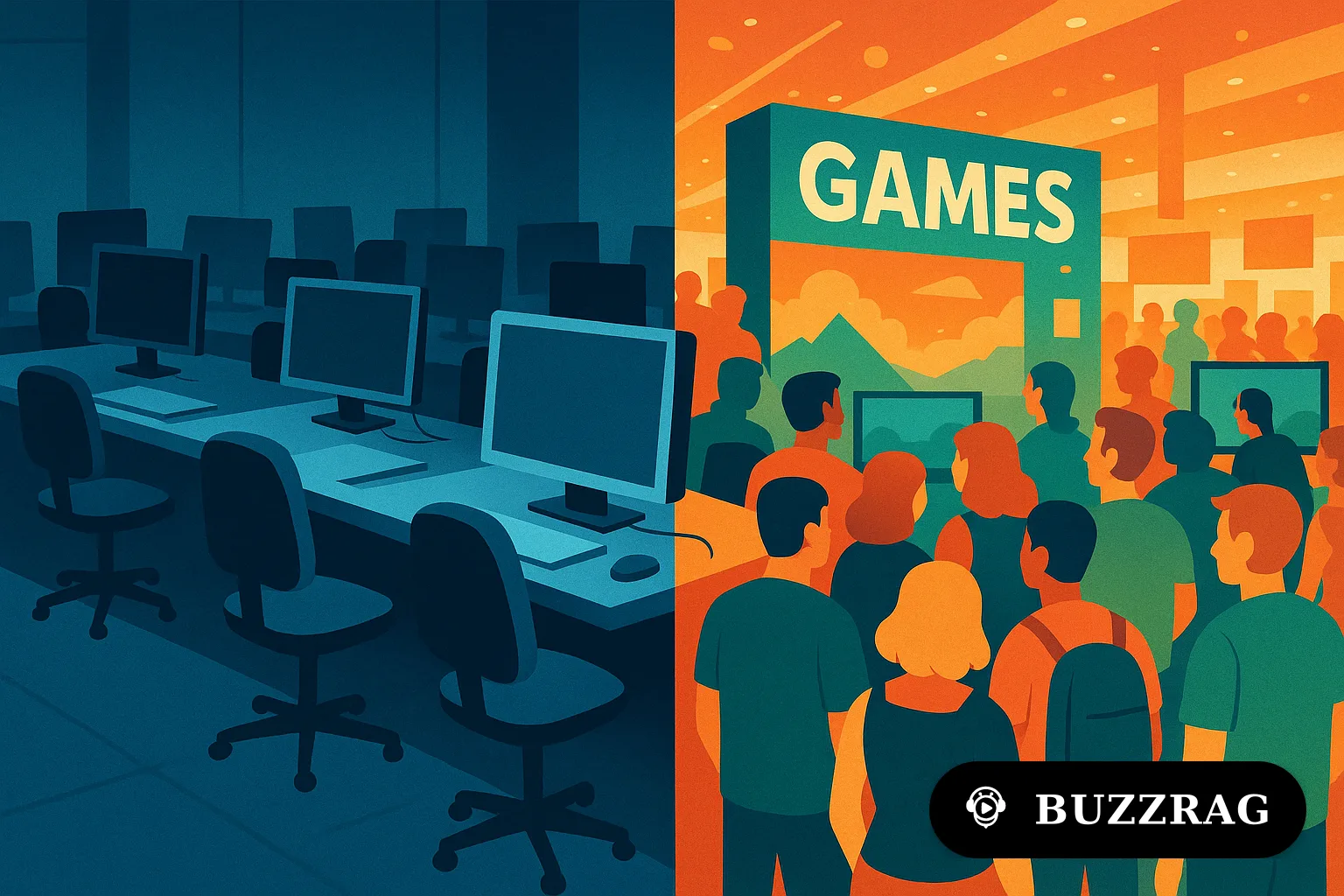
Amidst a declining number of gaming news outlets, two industry veterans are betting on the success of a 'classic old-school style multi-format video games website.' This venture aims to revive the comprehensive coverage style that was prevalent two decades ago, focusing on news, previews, and reviews.
The initiative reflects a response to the oversaturated, algorithm-driven content landscape that dominates current gaming media. As readers seek more curated and reliable sources, this old-school approach could fill a niche for those disillusioned by clickbait and superficial coverage. It also suggests a potential pivot towards more in-depth, quality journalism in gaming media.
This move could encourage other media startups to reconsider traditional methods, potentially leading to a resurgence of diverse voices and perspectives in gaming journalism. As the industry evolves, the success of such ventures will depend on their ability to adapt to digital consumption habits while maintaining editorial integrity.
Pokemon Go Influencer Controversy
Pokemon Go is facing backlash after a special event granted influencers exclusive access to a 'Hundo Mewtwo,' leaving regular players frustrated. Fans criticized the event as contrary to the game's original inclusive spirit, which emphasized community and shared experiences.
This controversy highlights ongoing tensions between game developers and their player bases regarding influencer partnerships. While influencer engagement can drive visibility and growth, it risks alienating core players who feel sidelined or treated unfairly. The incident serves as a cautionary tale for other developers balancing influencer relations with community trust.
Niantic's response to this backlash will be crucial in maintaining its player base and restoring goodwill. The incident may prompt broader discussions about the role of influencers in gaming and how to ensure equity among players.
As the gaming industry navigates these challenges, the balance between innovation and community trust remains pivotal. Upcoming industry events and releases will be crucial in shaping developer strategies and player expectations. Keep an eye on how companies like Ubisoft and Niantic address these issues moving forward.