BuzzRAG Culture Desk — 2026-09-27

Curated by AI. Mateo Ruiz, Arts & Culture Editor
Today’s culture conversation is split between the machinery of live television and the afterlife of older media moments. A girl group’s network debut, a comedy show’s political impersonation, a celebrity audition confession, and a 1980s fashion panic all raise the same question: who gets to shape the mainstream, and how quickly can it turn on them?
KATSEYE Takes Its EP to the Live-TV Stage
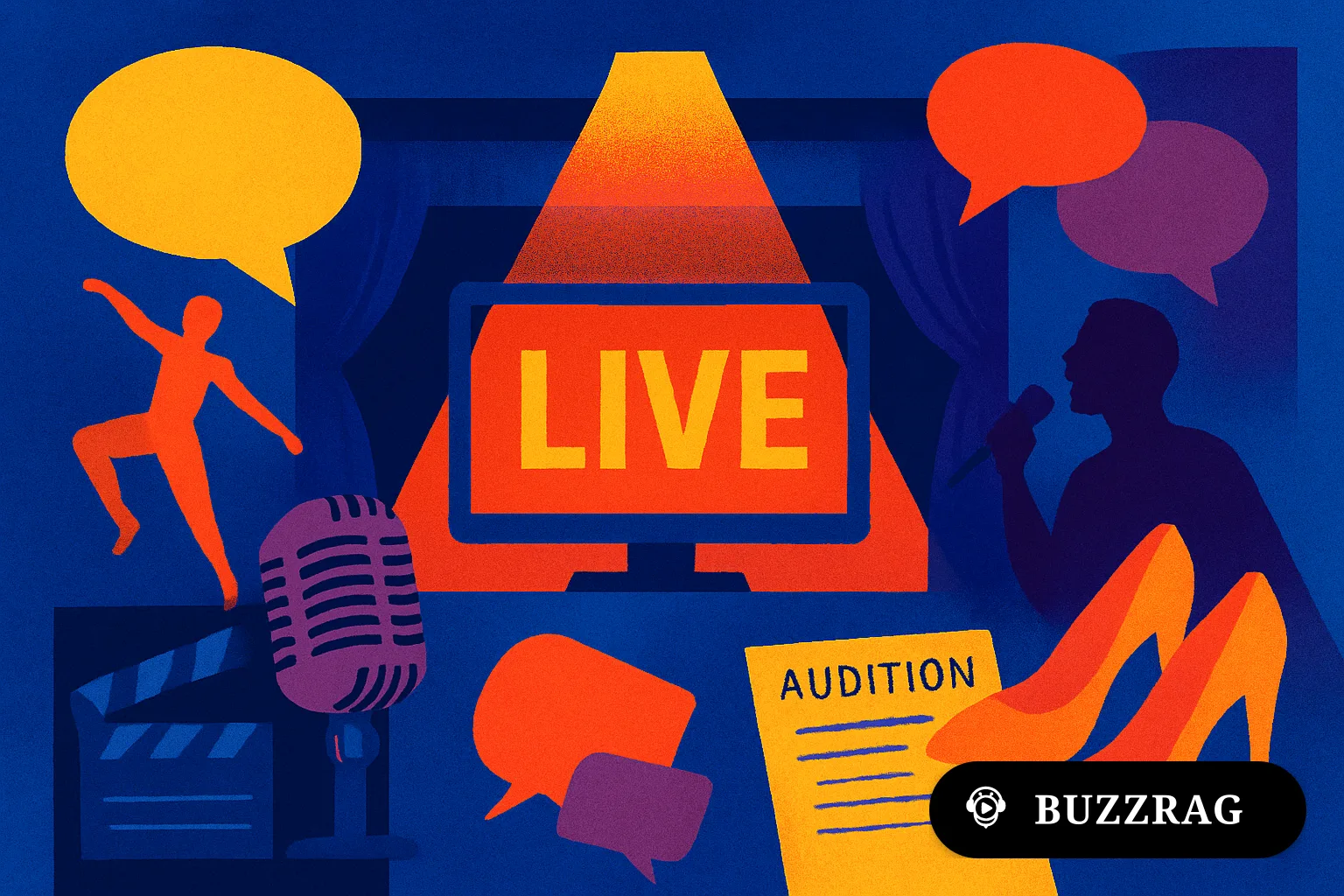
KATSEYE brought two songs from its latest EP, Wild, to the Saturday-night network stage: “Animal” and “Hootie Frutti.” The appearance places the Los Angeles-based girl group inside one of pop television’s oldest rituals, where a performance is asked to function simultaneously as music promotion, cultural introduction, and proof of arrival.
The interesting tension is between the group’s digitally fluent, globally assembled identity and the rigid format of a legacy variety show. A live broadcast can still confer mass visibility, but it also compresses a young act into a few brightly lit minutes, making staging and immediate audience response part of the story. Whether the performance becomes a breakthrough or merely another algorithmic flash will depend less on one night’s reception than on how effectively KATSEYE converts television attention into a durable relationship with listeners.
Omitted: 4K Ultra HD Review
This candidate is omitted because it is primarily a review of a physical-media product rather than a significant cultural development.
SNL’s Season Opener Finds the Limits of the Event
The season 52 premiere of Saturday Night Live arrived with a prominent athlete host and a heavily discussed musical guest, but the early critical response has focused on how little of the episode landed. One review characterized the show as mostly forgettable and described the musical performance as pedestrian, a verdict echoed by the broader attention surrounding the broadcast.
That reaction is revealing because a premiere is expected to do more than fill a Saturday slot: it has to announce a comic mood, introduce the season’s recurring obsessions, and make viewers feel that live television still matters. The episode’s strongest moments may therefore be less important than its overall lack of urgency. As the season develops, the test will be whether the show can turn a familiar formula into a sharper response to the political and pop-cultural noise around it.
The Audition That Became a Career Origin Story
Timothée Chalamet is revisiting a 2018 audition he did not book, describing the experience as brutal and recalling the immediate feeling that the role was not for him. The anecdote belongs to a familiar but potent strand of celebrity storytelling: the humiliating near-miss repackaged as evidence that success was neither inevitable nor effortless.
Audition stories carry unusual cultural power because they briefly puncture the polished image of stardom. They remind audiences that careers are built through rejection, misalignment, and the awkward discovery of what an actor can or cannot convincingly inhabit. At the same time, these narratives are never entirely innocent; once a performer becomes famous, even failure can be folded into a mythology of destiny. The value of Chalamet’s account lies in that contradiction, balancing vulnerability with the retrospective certainty that the setback did not end the story.
Celebrity Food Television Keeps Serving Comfort
Sunday night television offers a familiar blend of celebrity travel and addictive reality spectacle, with Eva Longoria beginning a French food tour in Paris and another program promising the controlled chaos of Apocalypse. The pairing captures the broad range of contemporary viewing: one show sells pleasure through cuisine and place, while the other turns competition and absurdity into a low-stakes ritual.
Food television remains especially durable because it transforms consumption into narrative. Butter, markets, restaurants, and regional traditions become a route through which viewers can imagine travel without leaving the sofa, while the reality format supplies its opposite—deliberate artificiality and social friction. Together, the programmes show how television continues to organize Sunday viewing around mood rather than prestige: appetite, escapism, and the reassuring knowledge that someone else’s evening is about to become dramatically worse.
When Rap Fashion Became a Public Panic
A new look back at 1987 examines how the Beastie Boys became linked to a UK crime wave allegedly driven by the desire to imitate their style. The story belongs to the long history of popular music being blamed for behavior that is really rooted in fashion markets, youth identity, and the anxious gaze of adults watching a new subculture form.
What makes the episode worth revisiting is the speed with which clothing can become social evidence. Trainers, caps, and oversized silhouettes were not merely accessories; they marked affiliation, aspiration, and a refusal of respectable taste. The supposed crime wave also shows how moral panic often works: a real or imagined pattern of petty theft is enlarged into a diagnosis of cultural decline, with musicians serving as convenient shorthand for the threat. Decades later, the story reads less as proof of music’s dangerous influence than as a record of how style becomes political when young people control it.
SNL’s Political Impersonation Turns Blockbusters Into Ammunition
Saturday Night Live’s first Weekend Update of the new season revived a popular impression of Tucker Carlson, using it to review the summer’s blockbusters and mock arguments about premium cinema formats, gender, and progressive politics. The segment makes film criticism part of the show’s political vocabulary, treating blockbuster discourse as another arena in the culture war.
The joke’s target is not simply one commentator but the habit of converting every cultural object into ideological evidence. Large-format filmmaking, casting choices, and audience anxieties become props in a monologue that understands outrage as both subject and delivery system. That strategy is increasingly central to late-night comedy: entertainment is no longer a retreat from politics but one of its most efficient stages. The segment’s durability will depend on whether the impression can keep exposing the rhetoric around culture rather than merely reproducing it.
The next stretch of the week will show whether KATSEYE’s live-TV moment translates into lasting momentum and whether SNL can sharpen its season after a muted opening. Beyond the immediate headlines, the more durable stories are about how music, celebrity, fashion, and film criticism keep becoming battlegrounds for arguments that began elsewhere.