BuzzRAG Gaming Desk — 2026-09-27

Curated by AI. Kai Tanaka, Gaming Desk Editor
Today’s strongest signals split between the machinery behind games and the increasingly sprawling entertainment ecosystems built around them. Developer tools promise less friction, major sandbox updates broaden their platforms, while another round of corporate “streamlining” puts workers and long-term player trust back at the center.
A More Predictable Build Pipeline for Game Teams
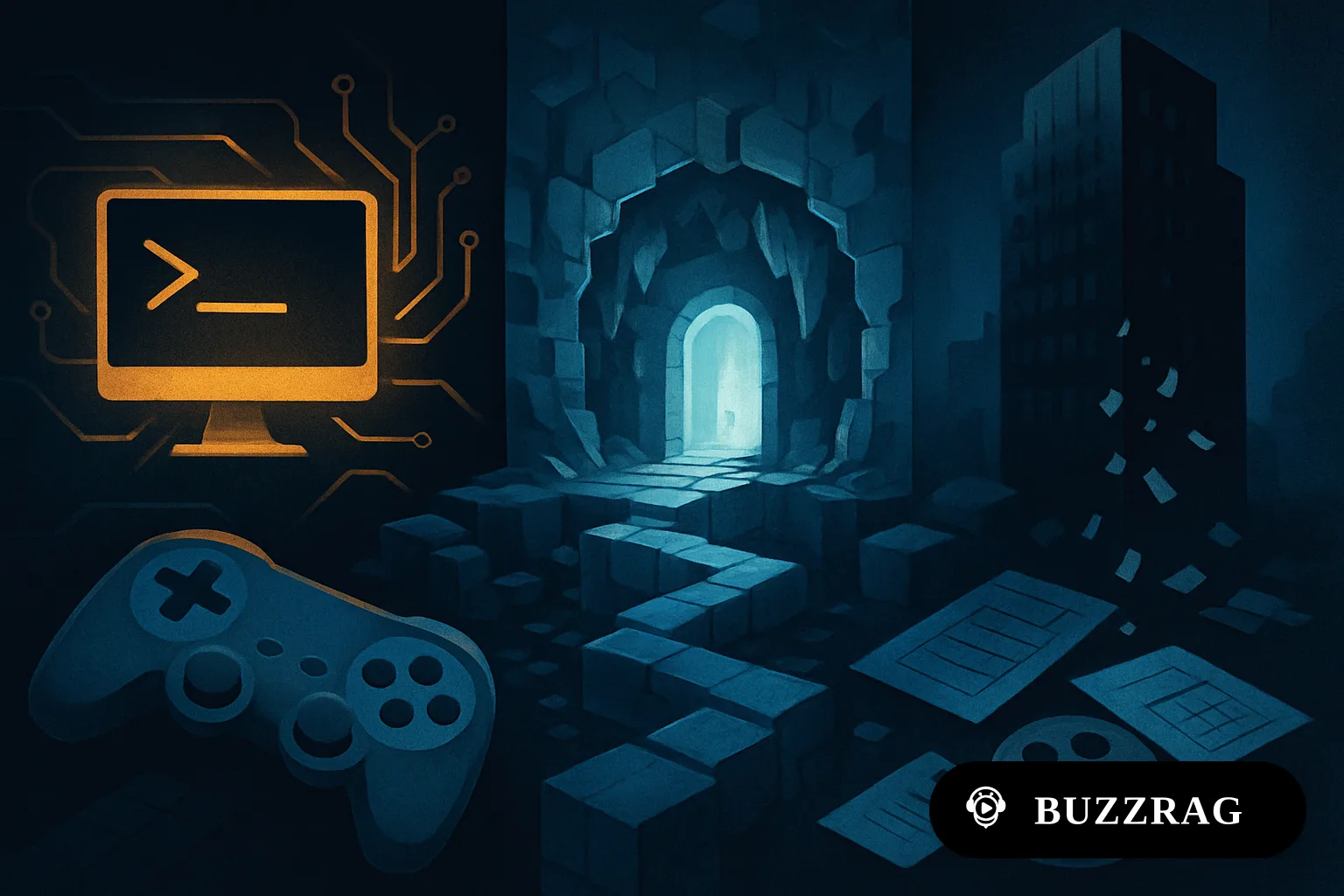
A new command-line interface for Unity aims to make continuous integration and continuous delivery less dependent on bespoke scripts. The pitch is straightforward: teams can use one tool to manage editor installations, run automated tests, and trigger builds across whichever CI provider their studio already uses.
That kind of plumbing rarely makes headlines, but it directly affects how quickly developers can validate a change and how often fragile build systems break. A unified workflow could be particularly useful for smaller teams that cannot afford dedicated infrastructure engineers, though the real test will be documentation, platform coverage, and how well the tool handles the messy edge cases of live game development. The broader shift is clear: as games become services with constant updates, build reliability is production capacity, not merely an engineering convenience.
Minecraft’s Next Expansion Pushes Deeper Underground
A new presentation reportedly outlined a busy future for Minecraft, from a creator-focused platform initiative and a version for Nintendo’s next handheld console to a sequel in the dungeon-crawling spin-off series. The gameplay reveals center on ice caves, where light-sensitive falling icicles, ice crystals, new mining opportunities, and a frozen undead enemy add hazards and resources to exploration.
The larger surprise is the Sift, a new dimension that could give veteran players another reason to return to a game whose appeal depends on discovery as much as construction. New sound packs and planned real-world attractions also show how the block-building sandbox continues to operate as both a game and a cultural platform. The creator initiative will deserve especially close scrutiny: empowering community-made experiences can expand the ecosystem, but it also raises familiar questions about moderation, monetization, ownership, and who captures the value generated by players.
A New Director Attached to Star Wars’ Next Saga
Jon Watts has reportedly been selected to direct the first film in a new Star Wars trilogy, described as the next chapter of the Skywalker Saga. The appointment connects a filmmaker known for accessible, effects-heavy superhero entertainment with one of the most closely watched pieces of Disney’s film slate.
The bigger issue is not simply who is directing, but whether the studio can make a fresh trilogy feel purposeful after years of overlapping announcements and shifting schedules. Returning to the Skywalker family gives the project immediate recognition, yet it also risks pulling the series back toward familiar legacy gravity instead of opening a genuinely new corner of its universe. Until story details, production timing, and the relationship between these films are clearer, this is a high-profile commitment rather than evidence that the next era has found its shape.
Godzilla Minus Zero Brings the Spectacle, Not Quite the Heart
Early criticism of Godzilla Minus Zero is broadly positive about its central attraction: the kaiju action delivers the scale, destruction, and theatrical impact audiences expect. The reservation is more specific, with the film reportedly falling short of its predecessor’s emotional resonance even while succeeding as a monster spectacle.
That distinction matters because the strongest modern entries in this tradition have treated destruction as more than visual punctuation. The human stories give the catastrophe weight, turning each ruined street or desperate escape into something that lingers after the effects reel ends. If Minus Zero is less affecting, it may still satisfy viewers seeking a powerful creature feature, but it could land as a technically accomplished sequel rather than a defining cultural event. The reception will likely turn on whether audiences value its escalation enough to overlook the thinner emotional core.
The Franchise Pipeline Keeps Getting Longer
A new overview of officially announced Star Wars films, television projects, and anniversary rereleases attempts to map what is planned for 2027 and beyond. Taken together with reports of a new trilogy, the list presents a franchise still expanding across theatrical releases, streaming, and heritage programming.
A schedule this crowded can reassure investors and superfans that the property remains a priority, but it can also make every announcement feel provisional. Projects can change directors, move dates, or disappear as corporate strategy shifts, and a release calendar is not the same thing as a coherent creative plan. For viewers, the important question is whether these projects offer distinct tones and stories or simply maintain a constant flow of recognizable branding. The next useful signals will be firm production milestones, clear creative ownership, and evidence that the slate can avoid turning anticipation into an endless substitute for finished work.
Xbox Layoffs Recast as “Streamlining”
Microsoft CEO Satya Nadella has described the streamlining underway at Xbox as “great to see,” following layoffs reported to have affected thousands of workers. The corporate language presents a severe contraction in staffing as operational discipline, but for the people losing jobs—and the teams absorbing the work—the consequences are immediate and personal.
The cuts also raise practical questions for players. Fewer developers and support staff can mean canceled projects, delayed updates, thinner quality assurance, and less institutional knowledge inside studios, even when executives promise a more focused portfolio. Xbox has spent years presenting scale, subscriptions, and cross-platform reach as strategic advantages; now leadership must explain what kind of creative organization remains after the reductions. Workers and players deserve more than financial vocabulary around the fallout: they deserve clarity about canceled plans, severance, studio futures, and how “efficiency” is supposed to improve the games people actually play.
Next week’s signals to watch are whether the newly announced projects acquire firm production milestones, how players respond to the sandbox platform push, and whether Xbox offers specifics beyond executive reassurance. The industry’s promises are getting bigger; the pressure will be on publishers to show who pays for them and who benefits.