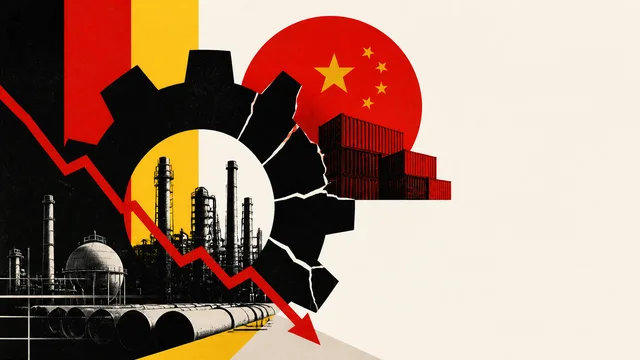
Asia's two largest economies are navigating profound economic challenges that extend far beyond typical business cycles. China's property sector, long a pillar of growth and household wealth, continues to deteriorate even as policymakers attempt to manage the crisis discreetly. The slowdown is measurable: recent quarterly GDP growth of 4.3% represents a significant deceleration from previous years, marking the weakest performance since 2022. This sluggish expansion reflects broader structural issues in the world's second-largest economy, where real estate investment has historically driven consumption, employment, and government revenues. The housing downturn carries cascading implications for consumer confidence and spending patterns, as Chinese households reassess their financial priorities in a less buoyant property market.
Japan's economic story differs in character but mirrors some underlying concerns about long-term prosperity. The nation carries substantial government debt, yet conventional narratives about its fiscal burden mask a more nuanced reality. Japan's unique demographic profile—an aging, shrinking population—creates distinct dynamics around debt sustainability, financial assets, and government spending capacity that don't neatly parallel Western economies. These structural factors shape economic strategy in ways that challenge standard policy frameworks and comparative analysis with other developed nations.
Together, these developments reveal how Asia's economic engines face different but equally consequential pressures. China confronts a crisis of demand and confidence in its property-dependent growth model, while Japan grapples with demographic realities that reshape what sustainable debt and growth look like. Both stories complicate global economic forecasts and underscore how regional economic health depends less on near-term headlines than on deeper structural transformations in consumer behavior, investment patterns, and fiscal sustainability.