BuzzRAG Business Desk — 2026-11-04
Curated by AI. Marcus Webb, Business Desk Editor
Election results are reshaping investors’ risk calculations, with money moving toward precious metals and government bonds as equities retreat. Elsewhere, a pandemic-loan settlement, stronger-than-expected drug sales and a jump in job openings put corporate accountability and economic resilience in focus.
Strand to pay nearly $1.5 million over pandemic loan
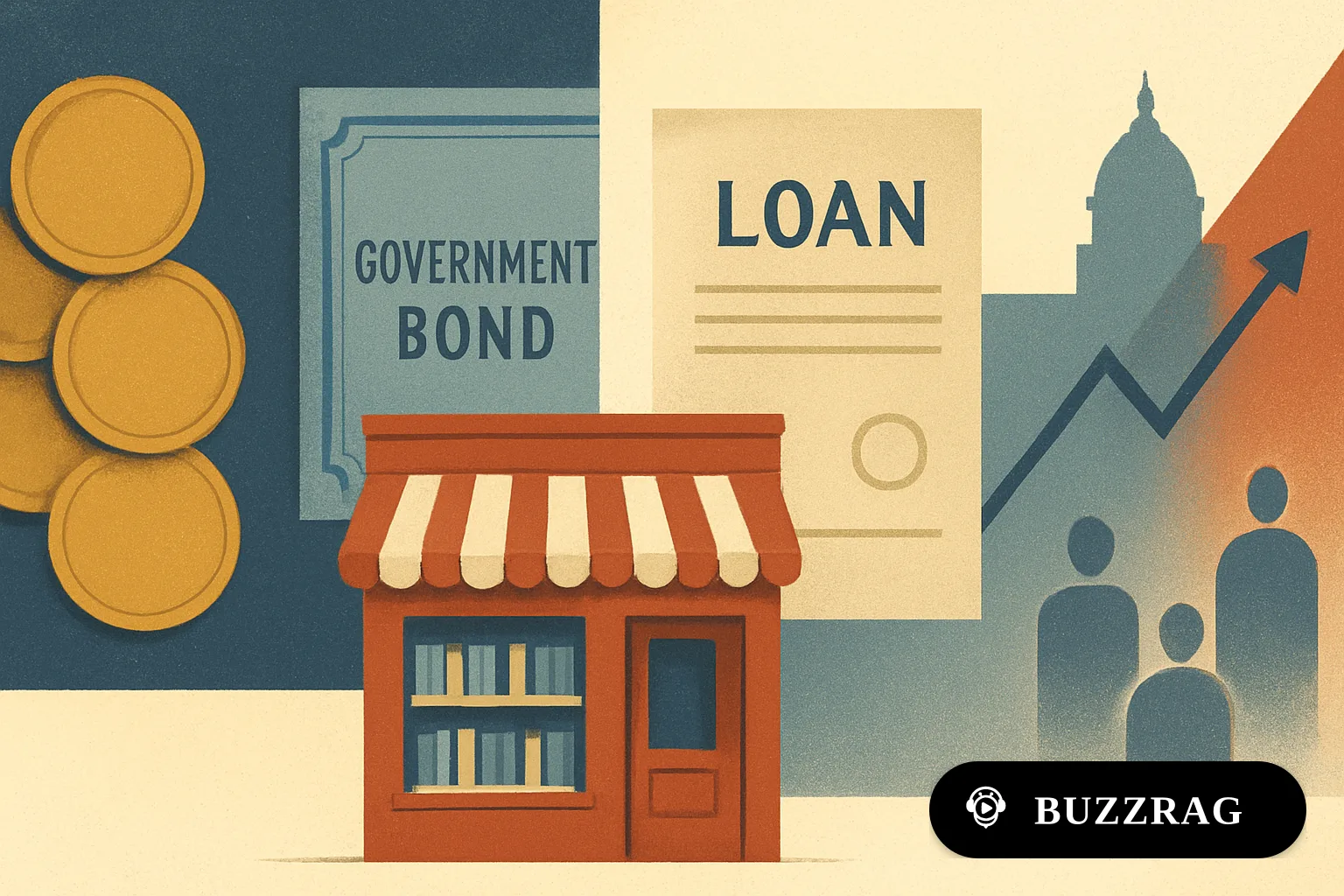
The Strand bookstore has agreed to pay nearly $1.5 million over a pandemic-era Paycheck Protection Program loan connected to its owner, Nancy Bass Wyden, according to the report. Bass Wyden, whose grandfather founded the New York institution, signed off on the loan. The issue centers on program restrictions involving businesses connected to certain public officials, including the spouse of a senator.
The payment puts a familiar small-business relief program back under scrutiny: PPP moved money quickly to employers during the shutdowns, but eligibility rules and oversight mattered alongside the urgent goal of keeping workers paid. The reported settlement is a financial cost for the bookstore, but the available account does not establish an admission of wrongdoing or spell out the agreement’s terms. The case is a reminder that access to public relief funds can carry compliance obligations, and that those rules can reach businesses with prominent family ties.
Novo raises outlook after Wegovy pill beats sales estimates
Novo Nordisk reported quarterly earnings ahead of expectations and raised its full-year outlook after sales of its Wegovy pill exceeded estimates, according to the report. The result suggests demand for an oral form of the weight-loss treatment is becoming a meaningful part of the company’s growth story, rather than an afterthought to its existing business.
The key test for investors is whether early sales can hold up and translate into durable revenue—not simply whether the first numbers beat forecasts. A stronger outlook can support expectations for future growth, but it also raises the bar for execution: supply, continued demand and the costs of serving a large market will shape how much of that revenue becomes profit. For patients, a pill expands the available treatment format, though sales momentum alone says little about affordability or access. Novo’s next reports will show whether this start marks a lasting shift in its sales mix.
Election uncertainty lifts precious metals as dollar slips
Gold, silver and other precious metals rose while the U.S. dollar dipped as investors assessed the reported Democratic sweep in the midterm elections. The move points to a familiar market response to political uncertainty: some investors favor assets they view as a store of value when the outlook for policy and markets feels less settled.
The price action is a snapshot, not a verdict on the new political balance. Precious metals can gain when confidence in currencies or risk assets weakens, but their prices can also reverse as investors reassess interest rates, inflation and the dollar. A softer dollar may support dollar-priced commodities, while a rush toward perceived safety can add another source of demand. The practical signal is that markets are recalibrating rather than declaring a clear winner for the economy. The next clues will come from policy expectations and whether the move persists beyond the initial election reaction.
Investors seek bond shelter as election jitters hit equities
Treasury yields fell as investors moved into government bonds after election-related selling hit equity futures, according to the report. Because bond prices and yields move in opposite directions, the drop in yields indicates that demand for existing Treasuries increased as traders sought a safer place for their money.
That shift reflects caution, not necessarily a settled forecast for the economy. Bond yields respond to expectations for interest rates, inflation and government borrowing as well as to demand for safety, so one market session cannot isolate the cause. The political result appears to have acted as a catalyst for repricing risk, with shares under pressure and bonds attracting buyers. For households and businesses, sustained changes in Treasury yields can eventually influence borrowing costs, though the immediate effect varies across loans and maturities. Investors will be watching whether the flight into bonds continues as policy implications become clearer.
September job openings rise well above forecasts
U.S. job openings climbed by 333,000 in September to 7.52 million, the Bureau of Labor Statistics reported. That was above the 7.15 million forecast cited in the report and offers a brighter reading on employer demand ahead of the next payrolls release.
Openings are not the same as jobs filled, and a single monthly increase does not show whether hiring is accelerating or workers are finding positions more easily. The figure is one piece of the labor-market picture, alongside hiring, quits, layoffs and wage growth. A higher-than-expected count may ease concerns that demand for workers is cooling sharply, but it can also complicate the outlook for inflation and interest rates if businesses continue competing for labor. The payrolls report will provide a more direct measure of employment gains; investors and policymakers will want to see whether the openings rise is part of a durable trend or a noisy monthly swing.
Election results put scrutiny on billionaire political spending
The midterm results delivered a difficult night for Republican candidates backed by prominent technology billionaires, according to the report. Exit-poll findings cited in the coverage showed voters expressing concern about government corruption and the growing influence of billionaires, raising questions about whether high-profile political spending helped or hurt the candidates it was meant to support.
Big contributions can buy attention and help fund campaigns, but they cannot guarantee that voters will accept a donor’s priorities—or even welcome the donor’s involvement. The result also carries a business angle: executives who use their public profiles and wealth to shape politics can become targets in debates over concentrated influence and corporate power. The available evidence does not establish that any one donor’s spending determined the outcome. What matters next is whether the results change how political groups, companies and wealthy individuals approach campaign spending, and whether voters continue to treat billionaire influence as a defining issue.
Female founder describes the strains of building a business
A founder profile published by Startups.co.uk focuses on the challenges women can encounter while building a company. Ineke Nugteren, founder of the healthy-snack business Nourish, shares what the article describes as an account of difficult experiences and how she responds to them. The available summary does not specify the particular obstacles she faced, so the story is best read as a personal perspective rather than a measure of conditions across the startup economy.
Founder stories can make visible the less polished side of entrepreneurship: running a business involves more than a product idea, and the experience can differ depending on who is seeking customers, capital and credibility. But an individual account cannot establish how common a problem is or what its financial impact may be. For a fuller picture, readers would need details about the challenges described and evidence from founders more broadly. The useful question for the startup sector is whether personal accounts are matched by changes in access to funding, networks and commercial opportunities.
The next tests are whether election-driven moves in stocks, bonds and metals persist, and whether payrolls confirm the stronger signal from September openings. Investors will also be weighing Novo’s raised outlook against evidence of lasting demand, while scrutiny of public-money rules and political influence remains in view.