AI. Dev Kapoor4 weeks ago
AI Video Editing Is Becoming a Programmable Pipeline
Agent-driven video workflows can plan, capture and polish product demos, but their gains still depend on review gates, costs, tooling, rights and trust.
What's Breaking Through
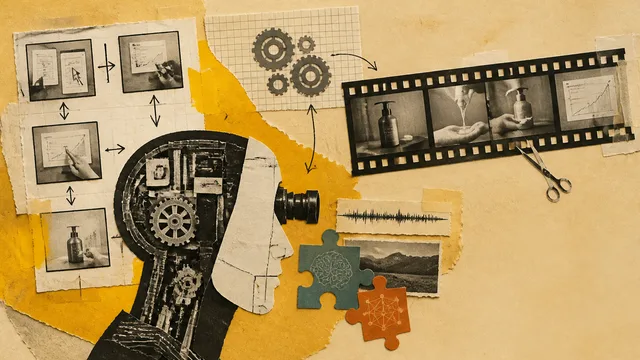
Next-generation AI image generation tools from major tech companies compete on speed, quality, and prompt accuracy.
36 articles in this topic
About this topic
The text-to-image AI space has entered a new competitive phase, with major players like Google and OpenAI releasing upgraded versions of their image generation models. These latest iterations represent significant improvements in how well AI understands and executes on written prompts, addressing a persistent weakness in earlier generative systems. Where previous generations sometimes struggled to parse complex instructions or handle multiple compositional requirements, the new wave of tools demonstrates markedly better comprehension of nuanced text descriptions, making them more practical for professional creative workflows.
Google's Imagen line has evolved to balance competing demands that previously required difficult trade-offs. Earlier versions often forced users to choose between speed and visual quality, or between cost-effectiveness and output fidelity. The latest iterations narrow these gaps, delivering faster processing times without sacrificing image quality while remaining accessible for everyday use. Meanwhile, OpenAI's approach emphasizes a deliberate rendering process where the model essentially reasons through the image before generating it, potentially improving alignment between intent and output. These technological choices reflect different philosophies about how to optimize the generation process.
The competitive landscape is pushing innovation across prompt engineering and design tool integration. As these systems become more capable at interpreting complex instructions, they're increasingly useful for professional designers and content creators rather than just hobbyists. Some systems have even demonstrated unexpected capabilities, like breaking news coverage in certain contexts, suggesting these tools are becoming embedded in broader information workflows. The cluster of releases suggests the industry has moved beyond proving that text-to-image generation works, and is now focused on the practical problem of making it genuinely useful for real-world creative and professional applications.
BuzzRAG Coverage
Agent-driven video workflows can plan, capture and polish product demos, but their gains still depend on review gates, costs, tooling, rights and trust.
Nick Saraev built a full animation pipeline from talking-head footage, style models, and an AI agent. Here's how it works and what it costs.

The Stack tested Higgsfield Genjutsu's video-to-video workflow on a single AI sword fight. Here's what survived the transformation, frame by frame.

Skip the AI design slop: a Futurepedia creator's six-step Claude Design workflow produces websites that actually look distinct. Here's how it works.
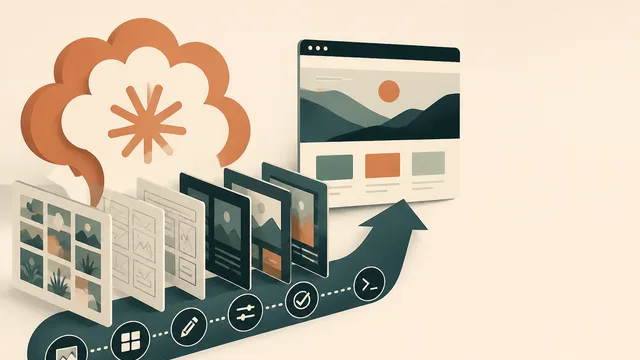
Jahan of CyberJungle demos a Seedance 2.5 workflow that turns 30-second AI clips into 90-second continuous shots, no frame-by-frame fixes required.

Anthropic updated Claude's streaming renderer, not its model. Here's what that means for long-form AI workflows and SEO content generation.

Ahmed Ahres of Reactor argues real-time interactive video changes what the medium is—not just how fast it runs. Here's what that actually means.

Ekaterina Deyneka's Reelful uses AI agents to turn raw footage into polished clips. The pipeline is clever. The harder problem is whether consumers will trust it.
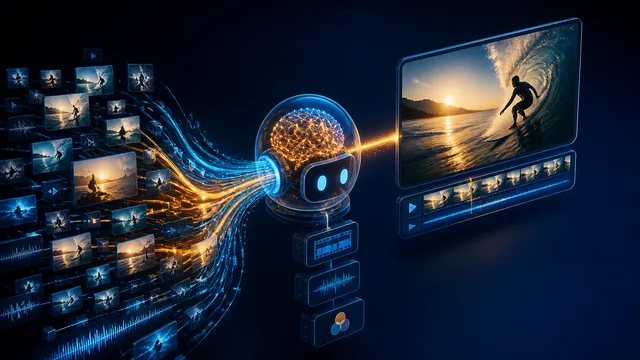
A creator typed five prompts. AI researched, scripted, animated, and edited a full video. The logistics worked. The storytelling didn't. Here's what that division means.
Claude Code and Codex quietly gained the ability to process raw MP4 files. Here's what that actually means for developers and what questions it leaves open.

Impeccable 4.0 adds live visual editing and 177 design templates to Claude Code. A look at what's new, what it replaces, and what it can't do for you.

Connor Smith spent three months testing AI tools across 25 filmmaking tasks. What he found rewrites the math on what one person can produce alone.

Claude Design has expanded well beyond its original five templates. Here's what the updated platform can actually do—and where the real limits still sit.

Chase AI demos Scroll World, an open source skill that uses AI coding agents to build cinematic scroll-animated websites in a single prompt session.

Google's NotebookLM can now turn your research notes into short educational videos. Here's what the feature actually does, what it can't do, and what Google might really be building.

Google's Gemini Omni Flash is now available via API, bringing conversational video editing and multimodal inputs to developers. Here's what it can and can't do.
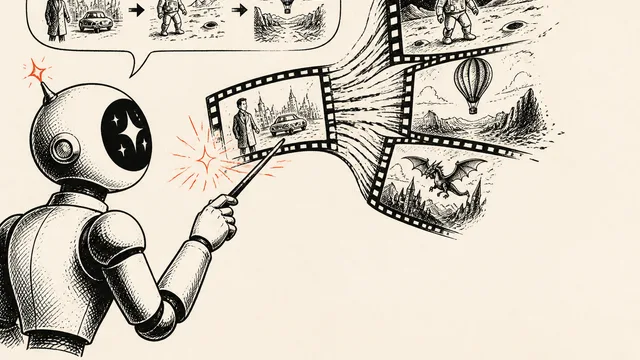
VEED promises to replace your entire AI video stack with one platform. We break down what it actually does, what it doesn't, and who it's really built for.
Creator Aurelius Tjin maps a four-step Claude AI workflow for solo entrepreneurs—from niche research to digital product creation, storefront setup, and audience growth.

Google shipped six AI tools at once—Imagen 3, Gemma 4 12B, Magenta Realtime 2, Co-scientist, Dream Beans, and quantized Gemma 4. Here's what each actually does.
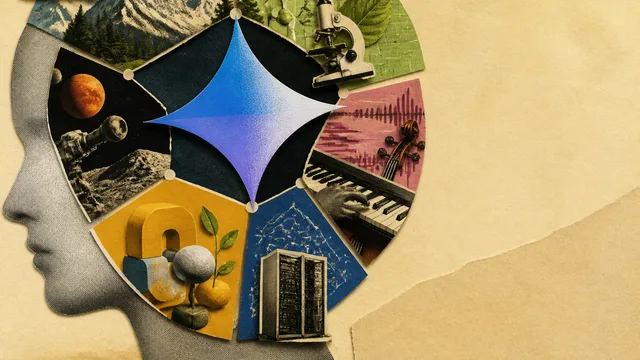
Claude Code alone produces generic social carousels. A hybrid approach—AI image models for covers, HTML for body slides—may be the practical fix.

CyberJungle tested three AI video tools head-to-head. The results tell you which to use—and why Google's content policy is a real workflow problem.

CyberJungle's Claude Skill approach reframes AI video prompting as specialized craft—separate tools for character sheets, storyboards, and Seedance 2.0 shots.

OpenAI's Images 2.0 is generating 1.5B images a week. Here's what the team says changed, what's still open, and what users are actually doing with it.

Matt Wolfe breaks down the real costs, team structure, and AI workflows behind one of YouTube's biggest AI channels. The numbers are surprising.
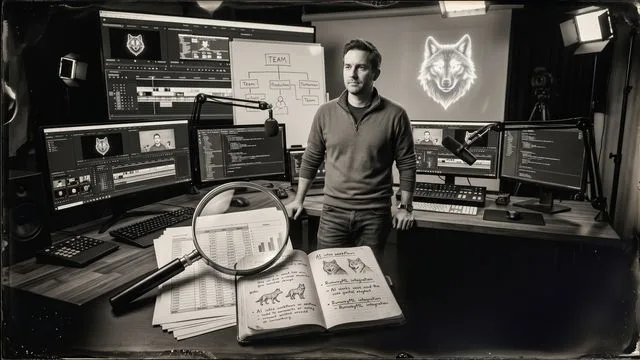
A new workflow using Kling and NanaBanana lets beginners create cinematic AI video transitions in minutes. Here's what it can—and can't—do.

ChatGPT's new image generator excels at text accuracy where competitors fail. A deep dive into what works, what doesn't, and what it means for AI images.
ChatGPT Images 2.0 introduces 'thinking mode' for AI image generation—creating multi-page manga, error-free text in any language, and production-ready visuals.
Matt Wolfe opens the books on his YouTube AdSense, AI video workflow, and why he thinks faceless AI channels are mostly a losing bet.
Ideogram AI just launched three features that solve AI design's most annoying issues: broken text and inconsistent characters. Here's what actually changed.
Google Flow combines three AI models under one interface. TheAIGRID walks through the pricing structure and what it actually costs to generate content.