Ideogram AI's New Updates Fix the Two Biggest Problems in AI Design
Ideogram AI just launched three features that solve AI design's most annoying issues: broken text and inconsistent characters. Here's what actually changed.

Written by AI. Zara Chen
Okay so AI image generators have had the same two problems since basically forever, and everyone just... accepted them? You'd spend ages crafting the perfect prompt, get this gorgeous image back, and then zoom in on the text to find complete gibberish. Or you'd try to create a consistent character for your brand and get five completely different people. Wild.
Ideogram AI just dropped three updates that actually fix both of these things. Not workarounds. Not "close enough." Actual solutions. And honestly, the implications are kind of fascinating—not just for what you can do today, but for where this is all heading.
The Stuff That's Been Broken
Let's be real about what AI image tools have been getting wrong. Problem one: text rendering. You generate something beautiful—perfect lighting, great composition, exactly the vibe you wanted—and the text overlay looks like someone smashed a keyboard. Misspellings, random symbols, letters that aren't even letters. Your only option? Regenerate the whole thing and pray.
Problem two: character consistency. You want a mascot or a recognizable face for your content. First image comes out great. Second image with the identical prompt? Completely different person. Different face shape, different features, basically useless for anything requiring visual continuity.
These aren't minor annoyances—they're the main reasons AI image tools stayed in the "fun experiment" category instead of becoming actual production tools. Until now, apparently.
What Actually Changed
Editable text layers are the first update, and they work exactly how you'd expect Photoshop to work but AI tools somehow never did. You generate your image. The text sits on a separate layer. If it's wrong, you click it, edit it, move it, resize it. The background doesn't regenerate. It just... stays.
Julian Goldie's demo shows this pretty clearly: "You generate your image. The visual comes out perfect. Great lighting, great composition. Now the text sits as a completely separate layer on top. So if the wording is wrong or the font is off, you just click it, edit it, move it, resize it. Background does not move, does not regenerate."
Five-minute workflow instead of the regeneration lottery. That's the pitch.
Design categories are the second feature. Before this, you'd open Ideogram and face a blank prompt box. If you didn't know the right style keywords—and let's be honest, most people don't—results were all over the place. Now you pick a category first: poster, logo, thumbnail, 3D render, whatever. The AI adjusts its approach based on what you select.
This is actually a smart UX decision. It reduces the cognitive load of "how do I even describe what I want" and gives the model better context for what "good" looks like in each format. Less guess-and-check, more consistent results.
Ideogram Character is the big one. You upload one reference image. The tool builds what they're calling an "identity map"—learns the face, hair, features. Then you can generate that same character in different scenes, lighting, expressions, styles. Same person every time.
Goldie demonstrates this with a hypothetical AI automation expert character: "Create one character, AI automation expert, the visual face of the community, professional, confident, forward-thinking. Then we generate a whole content batch from that one image. Set portrait for a welcome graphic, same character at a laptop with multiple screens for a workflow post, at setting with a coffee for a community update, presentation scene for a webinar thumbnail."
Four different images, same face, same brand identity. The kind of thing that's been technically possible but practically unreliable until now.
What This Actually Enables
Here's where it gets interesting: Ideogram isn't just fixing broken features. They're building infrastructure for a creative production pipeline that doesn't quite exist yet.
Consistent characters. Editable design layers. Fast iteration. Multiple scenes from one source. This is exactly what AI video is going to need when it reaches production-ready quality. People learning these workflows now—prompting for character consistency, building scene sequences, maintaining brand identity—are essentially getting a head start on the next platform shift.
As Goldie points out: "This is the exact infrastructure that AI video is going to need when it gets to a production-ready level. People who get comfortable building characters and visual stories in Ideogram right now are going to have a massive head start when that moment arrives."
That's speculative but not unreasonable. The skills transfer. The conceptual framework stays the same. Only the output format changes.
The Honest Limitations
To Goldie's credit, he doesn't oversell this. "Ideogram is not perfect. Character consistency is very good, but it is not flawless. Some edge cases, particularly with highly detailed or unusual features, the outputs can drift slightly from the reference."
It's still image-based with no native video. And like every AI tool, garbage prompts get garbage results. "The more specific and intentional you are, the better your outputs will be."
Those limitations matter. Character drift on edge cases means you still need human QA. No video output means this is one piece of a larger workflow, not a complete solution. Prompt quality dependency means there's still a skill curve—it's just shifted from Photoshop expertise to prompt engineering.
The Free-Tool Question
Ideogram offers a free tier, which raises the obvious question: what's the business model? Free tools with this much capability usually mean either aggressive upselling to paid tiers or data collection for model training. Probably both.
That doesn't make it bad—lots of useful tools have similar structures—but it's worth understanding what you're trading. If you're using this for client work or sensitive brand assets, read the terms of service. Know what rights you're granting to the platform.
Where This Fits
The practical use case here is pretty clear: small teams and solo creators who need consistent visual content but don't have design departments. Marketing agencies building client campaigns. Content creators maintaining brand identity across platforms. Anyone for whom "hire a designer" isn't currently in the budget but "spend three hours fighting with Canva" isn't sustainable either.
It's not replacing professional designers for high-stakes work. But it's definitely changing the calculation for everything below that tier. The question isn't "can AI do what a skilled designer does?" It's "can AI do what I need, faster than I could do it myself?"
For a growing number of use cases, apparently yes.
More Like This
Google's Agent Skills Update Just Fixed AI's Biggest Flaw
Google's ADK now uses progressive disclosure to stop AI agents from loading unnecessary instructions. Here's why that matters for everyone using AI.
I Tested Claude Design: Here's What Happened to My UI
Developer OrcDev spent hours testing Anthropic's Claude Design AI tool. The results reveal what AI can—and critically can't—do for interface design.
Google's Imagen 2 Fills the Gap Between Cheap and Good
Google's new Imagen 2 model balances quality and cost for AI image generation, excelling at text rendering and multi-reference consistency.

Google Gemini's Free Update Lets Anyone Build Apps
Google's new Gemini features—including Vibe Coding and Stitch—claim to turn anyone into a developer. But can AI really replace technical expertise?
Claude Design Wants to Eat Figma's Lunch. Can It?
Anthropic's new Claude Design tool generates design systems from code repos and lets you edit with voice commands. Here's what actually matters.
Google's Imagen 2 Promises Speed and Quality. Here's What's Real.
Google's new Imagen 2 model claims to merge speed with quality in AI image generation. We look at what it actually delivers—and what it doesn't.
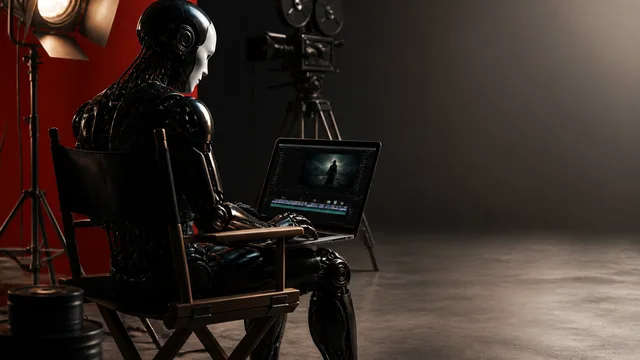
Netflix Used AI in 300 Titles. Here's What That Means.
Netflix disclosed AI use in roughly 300 titles in its Q2 2026 earnings. We break down what that number actually tells us — and what it doesn't.

Applied Computing Bets $20M on AI for Oil and Gas
Applied Computing raised $20M to build a foundation AI model for oil, gas, and petrochemical plants. Here's why that's more complicated than it sounds.