Songs in the Key of Life Still Refuses the Playlist
At 50, Stevie Wonder's Songs in the Key of Life still scrambles genre, canon and playlist logic, while making a serious artistic case for joy in 2026.

Written by AI. Jasmine Brooks
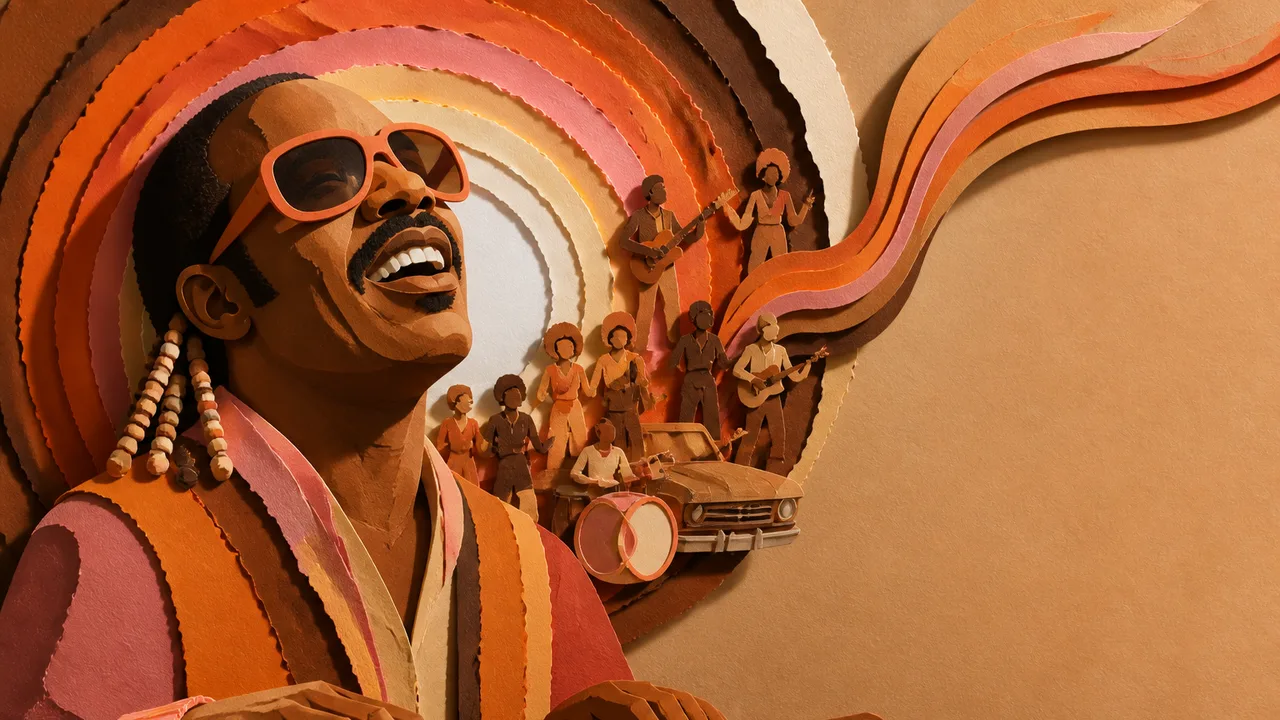
Stevie Wonder's Songs in the Key of Life turns 50 on September 28, 2026, carrying far too many moods for one anniversary caption. The album wants the cookout, the classroom, the dance floor, the nursery and the emergency meeting about society. Sometimes it wants them during the same side of vinyl.
I encountered Songs in the Key of Life after canonization had already happened. The five-star ratings were laminated. “Sir Duke” and “Isn't She Lovely” arrived as cultural wallpaper, familiar before their album context came into focus. My native listening format is the playlist, where genre boundaries get smudged but songs also get detached from the projects that gave them friction. Wonder's album treats that habit like a challenge issued directly to the shuffle button.
A 50th-anniversary assessment from The Quietus describes the 1976 double album as an unruly fusion of funk, soul, jazz, pop, orchestral color and intimate reflection. Those labels can identify ingredients. They cannot explain why the whole thing keeps dodging the display case.
An Album with Too Many Group Chats
Modern fandom trains us to sort artists into rival stan teams. Pop girl versus pop girl. Rap traditionalists versus the Auto-Tune delegation. Album purists versus people who consider a 43-hour mood playlist a coherent body of work. Genre becomes profile branding, and taste becomes a series of tiny border disputes.
Songs in the Key of Life declines the draft.
“Sir Duke” turns musical admiration into a brass-powered public celebration. “Village Ghetto Land” sets social deprivation against stately strings, creating a polished surface that refuses to soothe the subject. “Pastime Paradise” circles fear, nostalgia and moral stagnation. “Isn't She Lovely” centers familial joy. “Love's in Need of Love Today” opens the album with tenderness under pressure, while “Another Star” closes its main sequence in a rush of romantic and rhythmic abundance.
Pull any one of those songs into a playlist and it works. Put them back together and each one complicates its neighbors. Domestic intimacy shares space with political argument. Pop immediacy sits beside arrangements that keep discovering new corners. Wonder offers hooks without shrinking the ideas attached to them.
That scale can look alien from inside the streaming economy, where listeners can rescue one track from any context within seconds. Yet playlist culture also gives the album new entry points. Someone can arrive through a family favorite, a sample connection, a dance playlist or a recommendation rabbit hole. The risk comes when the entry point becomes the whole map. “Sir Duke” alone presents a sunnier, tidier Wonder than the album permits.
Joy Has Been Doing the Work
Music criticism has historically found it easier to certify pain as Important Art. Sadness arrives wearing its own lanyard. Joy gets asked for identification, three references and a written explanation of why everybody is dancing.
Wonder does not treat pleasure as a break from serious thought. On Songs in the Key of Life, joy functions as knowledge, memory and survival practice. “Sir Duke” argues for music's power by making the body participate in the argument. “Isn't She Lovely” turns private celebration outward without draining its intimacy. The album's exuberance carries as much intellectual weight as its warnings about poverty, hatred and social neglect.
Slant Magazine's anniversary retrospective uses “protopia” to describe the album's outlook. The term suits a work that imagines progress through flawed people rather than presenting a spotless utopia. Love requires maintenance. Community requires teaching. Celebration coexists with evidence that the world has failed to become what its songs can already hear.
That coexistence saves the album from motivational-poster optimism. Its hope has receipts attached. Wonder places delight beside grief and asks listeners to hold both, a task that social media discourse often handles with all the delicacy of a quote-tweet pile-on. The album allows several emotional truths to stay online at once.
“Black Man” Cannot Become a Museum Label
The canon loves a clean plaque. Songs in the Key of Life keeps smudging the glass, and “Black Man” supplies the clearest example.
The song celebrates Black achievement while expanding into a roll call of contributions by people from multiple racial and ethnic groups. A children's call-and-response gives it the cadence of a school lesson, complete with questions and emphatic answers. Its pedagogical confidence is central to its force: history has excluded these names, so the song says them aloud and makes remembrance communal.
Its method also carries the limits of its era. The racial labels are blunt and reductive to contemporary ears. The title's centering of Black history exists alongside a broad multicultural inventory that compresses distinct peoples and histories into a single educational framework. The quiz structure leaves little room for uncertainty, contested attribution or the mess that appears whenever history escapes the flash-card format.
Those tensions should stay inside the discussion. Canonization can turn engagement into obedience, as if acknowledging a work's flaws threatens its status. The opposite happens here. Questioning “Black Man” reveals how ambitious the song is, where its teaching succeeds and where its framework strains. A masterpiece can contain outdated language, unresolved politics and choices that invite argument. Fifty candles do not grant diplomatic immunity.
That principle also protects Wonder from the weird flattening reserved for beloved artists. Once an album becomes canonical, every rough edge gets polished into proof of genius. Fans deserve a livelier relationship than compulsory reverence. Loving the work can include debating the work, skipping a track, returning later and discovering that the song you once filed under “homework” has started a new argument with you.
The “Last Major Stand” Problem
The Quietus raises the idea of Songs in the Key of Life as a “last major stand,” a phrase that captures the album's stakes while flirting with historical overreach. Wonder made a huge, densely arranged mainstream record that assumed a mass audience could follow sudden shifts in genre, scale and emotional temperature. The album's commercial accessibility never required aesthetic downsizing.
“Last,” however, turns music history into a season finale. Later artists, including Prince, Lauryn Hill, Beyoncé and Kendrick Lamar, have also built popular albums from abundance, formal ambition and social argument. Their projects emerged through different industries and technologies, but they complicate any claim that Wonder closed the gates behind him.
The strongest reading of “last major stand” concerns an ecosystem rather than a final masterpiece. It points toward a period when a sprawling album could occupy the center of mass culture while asking listeners to move through its full architecture. Streaming has not killed ambitious albums; it has changed the competition for attention. Every track now sits one tap away from departure, and every release enters a feed built to turn completion into optional behavior.
Even that contrast needs restraint. Plenty of people skipped tracks in 1976, and plenty of listeners finish long albums in 2026. Vinyl did not produce morally superior attention spans. The technological shift changes the invitation, not the human capacity to accept it.
Canon is a Starting Point, Not a Stan Commandment
The anniversary industry can make a living album feel like required reading assigned by somebody's dad. Replay the hits, mention the influence, post the black-and-white studio photo, clock out. Songs in the Key of Life resists that routine because its contradictions keep generating live questions.
How much abundance can a pop album hold before abundance becomes overload? Can a song teach history without simplifying it? Does mainstream accessibility widen an artwork's possibilities, or pressure it toward consensus? What happens to an album built as a world when listeners meet it as scattered tracks?
Wonder's record offers no neat settlement. It demonstrates that density can be catchy, joy can carry political and artistic seriousness, and communal music can remain intensely personal. It also shows how a work's reach can exceed some of its language and frameworks.
At 50, Songs in the Key of Life needs neither a pedestal nor a nostalgia filter. It needs listeners willing to press play beyond the songs the algorithm already knows they love.
More Like This

Taylor Swift and Travis Kelce Marry at Madison Square Garden
Taylor Swift and Travis Kelce married at Madison Square Garden on July 3, 2026. Here's what the moment meant—and why the internet lost its entire mind.

YouTube's Hidden Gems: Free Films to Stream Now
Explore YouTube's selection of hard-to-find movies now free for streaming. Discover cult classics and hidden gems.
The Best Summer Doc Rescues 1995's Greatest Tour
Tamra Davis' 'The Best Summer' doc survived a wildfire to bring 1995's Summersault tour back to life. Here's why it matters now more than ever.
Why Galactic Empires Are Doomed to Collapse
Explore why galactic empires in sci-fi often fall apart. Discover the challenges of leadership, communication, and governance.

Merphy Napier Makes the Case for Darth Bane
BookTuber Merphy Napier reviews Darth Bane: Path of Destruction fresh off finishing it—and her unpolished enthusiasm is the whole argument.

Mastering the Art of Cinematic Wide Shots
Explore wide shots in film, where space tells the story and characters shine.