Samsung's Record Profit Tests the AI Memory Chip Boom
Samsung's record profit forecast reflects booming AI memory demand. Its durability hinges on new supply, customer spending and how workers share the gains.

Written by AI. Carmen Rodriguez
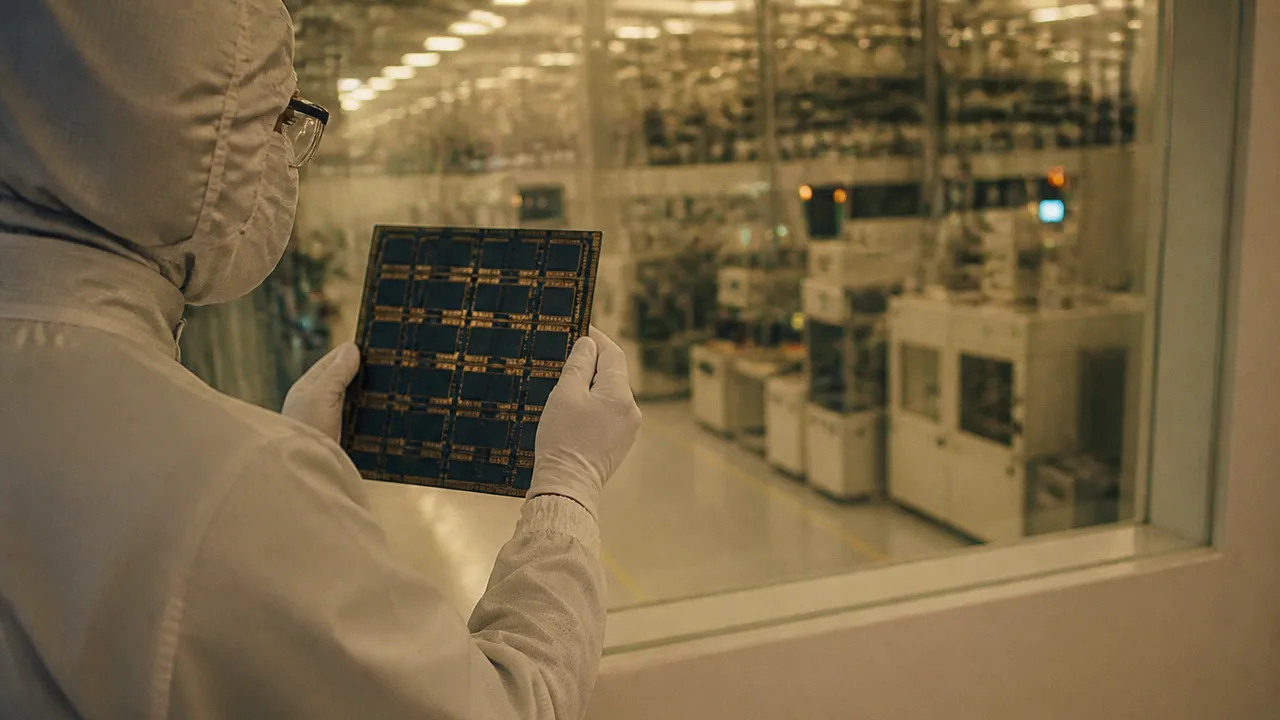
Samsung's record profit forecast is being driven by high-bandwidth memory demand. The chips serve advanced computing systems, where customers need enormous amounts of data moved quickly and have been willing to pay for capacity.
The forecast invites a second question. How much of this profit can Samsung keep earning once suppliers expand production and customers reassess what they are willing to spend? Memory has rewarded companies for building capacity just before that capacity helped end a boom.
Samsung's third-quarter profit forecast has been described as a record. A forecast is a marker for the quarter, not a substitute for the detailed results and guidance that would show how different parts of the business performed. Investors have already had time to anticipate strong earnings: Sanjeev Rana, CLSA's head of Korea research, characterized the result as broadly in line with expectations, Bloomberg reported. A record can be extraordinary for a company and unsurprising to a market that has priced in extraordinary demand.
Why Memory Commands More of the AI Budget
High-bandwidth memory, often called HBM, sits close to the processors doing demanding computing work. Moving data fast enough is part of getting useful performance from those systems. That makes memory a constraint customers have to plan around, rather than an afterthought on a component list.
When demand for an essential component grows faster than supply, the supplier gains room to charge more. The buyer faces the same fact as a higher bill or a longer wait. Samsung's result captures the supplier's side of that bargain. It does not tell us, by itself, how long customers will accept the price, how much more memory competitors can deliver, or whether demand extends beyond the largest buyers of advanced computing capacity.
That last question deserves more attention than a headline profit number usually gets. A handful of customers making enormous purchases can produce a remarkable quarter. A wider set of customers placing repeat orders would support a different case for lasting earnings. Both produce revenue now; they imply different risks when budgets come up for renewal.
The strongest case for a prolonged boom starts with the work AI systems require. More computing capacity needs fast access to more data. Building that capacity takes time, money and a reliable chain of component suppliers. If customers continue expanding it and memory production struggles to keep pace, strong pricing could persist even as chipmakers add output. That is a coherent business argument, and Samsung's forecast gives it weight.
The historical objection is equally concrete. Suppliers can respond to high prices by investing in more capacity. Buyers can revisit orders when the price of building systems rises. Neither change happens on the same schedule as a quarterly earnings release. The delay can make a shortage look permanent right up until new supply reaches the market. The cycle facing Micron poses the same question from another supplier's vantage point: what must hold after the first rush of orders?
A Record for Samsung, a Cost for Buyers
AI demand affects more than the buyers seeking high-bandwidth memory. Chipmakers have to decide how to allocate manufacturing capacity across products. Favoring the most profitable demand can tighten supply elsewhere, leaving companies that buy other types of memory exposed to higher prices. The pressure on consumer electronics prices is one route by which a lucrative data-center market can reach a laptop or storage-equipment buyer.
That does not mean every price increase can be traced directly to Samsung's orders, or that every device maker will pass higher costs to its customers. Contracts, inventories and product margins shape what happens next. But the incentives are plain: when one customer group can pay more for scarce capacity, others have to compete for what remains.
For companies building advanced computing systems, expensive memory is also part of the return-on-investment calculation. They can keep buying through a price surge if the capacity they build earns enough to justify it. If those returns disappoint, ordering plans can change. Suppliers benefit from customers' urgency today; the durability of that urgency is the issue behind tomorrow's guidance.
Samsung's size makes the question wider than a single product. Operating profit measures earnings from operations, not the cash left after every expense or the return from every future investment. The headline forecast therefore cannot answer which products will carry margins through the next cycle. Detailed results, when available, will help investors judge the contribution of memory against the rest of the company. Production plans will show how aggressively Samsung intends to turn current pricing into future supply.
Where Workers Enter the Profit Story
An earnings windfall also changes the terms of workplace decisions. Chip production depends on people maintaining equipment, running facilities, testing output and keeping production on schedule. Demand can raise pressure to deliver more, just as management considers where to invest the money a strong cycle generates. A record profit forecast says nothing on its own about staffing levels, hours, wages or how any gains are shared with workers.
Those questions belong beside the production numbers, not in a footnote to them. Expansion can create opportunities for jobs and pay. It can also bring demands for greater output before a company adds enough capacity or staff. Which path Samsung takes requires evidence from its plans and from the conditions employees face; the profit forecast cannot stand in for either.
There is also a difference in timing. A company can celebrate a strong quarter immediately. A worker evaluating a pay agreement, or a buyer committing to a supply contract, has to live with the terms after the quarter ends. That is why durable commitments reveal more about the distribution of a boom than a single earnings announcement does.
For investors, the next useful answers are specific: how much demand comes from repeat orders, whether higher production changes pricing, and what Samsung expects to spend to sustain output. For buyers, the question is whether they can secure the memory they need at a cost their own customers will bear. For workers, it is whether a record cycle changes the job as well as the company's accounts.
Samsung has shown what tight AI memory demand can deliver to a supplier. The next test begins when today's customers, competitors and production plans respond to the price of that success.
More Like This

AI Data Centers Are Pushing Up Memory Chip Prices
AI data centers are redirecting chip production away from consumer electronics, driving up prices for laptops, cameras, gaming consoles, and professional storage gear.

ElevenLabs Reaches $22 Billion in Employee Tender Offer
ElevenLabs' reported $22 billion valuation follows a $300 million employee tender offer. What the sale reveals, and what workers and investors cannot see.
Business Rules 2026: Impact on Labor and AI
Explore how emerging business rules and AI technology reshape labor dynamics and worker dignity by 2026.

EU Entry/Exit System: Border Delays and What They Mean
The EU's new EES biometric border system is causing summer travel delays. Here's what it asks of travelers, workers, and the institutions behind both.

Apollo's EasyJet Buyout: What It Means for Workers
Apollo's £5.7bn EasyJet takeover is a win for shareholders. For cabin crew and ground staff across Europe, the calculus is far more complicated.

China's Robotaxi Push and the Workers in Its Path
China's robotaxi companies are expanding globally on EV supply chain strength—but what does that mean for the drivers whose livelihoods disappear in the process?