Nvidia's CEO Change Puts Its AI Financing Under Scrutiny
Colette Kress inherits Nvidia's AI financing commitments. An Ohio lease guarantee shows what is already signed, what remains optional and where the risk could fall.

Written by AI. Jin Seo
Jensen Huang stepped down as Nvidia’s chief executive on November 12, leaving finance chief Colette Kress to run the company while its board searches for a permanent replacement. She keeps the CFO job in the meantime. Board chair Harvey Jones has said Nvidia expects its operations, customer commitments and product roadmap to continue without interruption.
Those commitments deserve a closer look. Huang leaves behind a business that sells the chips for AI infrastructure and, in some cases, helps make the infrastructure possible. Nvidia has agreed to buy supplies, purchase cloud services and stand behind certain leases. For Kress, the immediate question is what the company has already promised. The longer-term question is how much more support Nvidia wants to offer customers building with its products.
The scale can be easy to misread. A filing-based tally of three tables in Nvidia’s quarterly report comes to $530.5 billion in commitments and guarantees, although the report does not print that combined figure. Of the tally, $279 billion represents supply and capacity commitments to Nvidia’s own suppliers. Orders for components belong in a different risk category from a promise to cover a customer’s missed lease payments. Combining them produces a large number, but no useful estimate of what Nvidia will lose.
The Ohio Promise
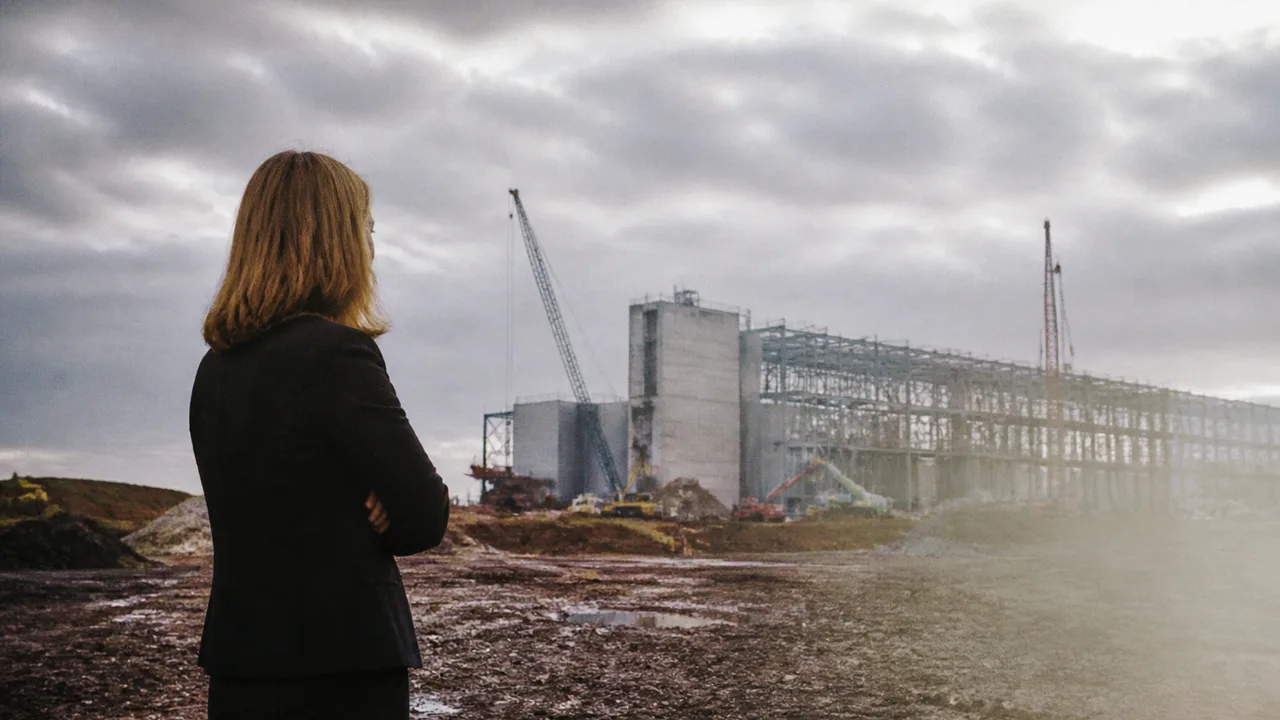
One agreement shows how the risk works. In an August 17 SEC filing, Nvidia disclosed guarantees connected to leases at a data-center campus in Pike County, Ohio. SB Energy is the landlord, and an OpenAI affiliate will be the tenant. The leases cover approximately 4.25 gigawatts of IT load, and Nvidia says the site will host its AI computing infrastructure.
Nvidia’s aggregate payment obligation under the initial agreements is capped at $105 billion. That is a cumulative ceiling, not a payment Nvidia says it has made or expects to make. The filing says each guarantee generally becomes effective when its lease begins. Payment obligations also depend on conditions, including the relevant premises being ready for service, which Nvidia expected to begin in 2028.
If OpenAI fails to pay under a lease, or becomes insolvent and defaults, Nvidia generally covers the gap between a guaranteed minimum value and what the landlord recovers through a replacement lease or sale. Nvidia can choose among remedies, including assuming the lease or seeking another tenant. OpenAI has agreed to reimburse Nvidia for amounts it actually pays the landlord.
Here is the money trail: the landlord has a tenant and a guarantee; OpenAI gets space for computing infrastructure; Nvidia secures a site for its technology. If a lease fails, Nvidia may have to pay before it can recover anything from OpenAI. Reimbursement is a contractual protection, but its value in an insolvency would depend on OpenAI’s ability to pay. None of those possible outcomes makes the $105 billion cap a forecast loss.
The filing gives Nvidia a further choice: it can provide credit support for approximately another 3.8 gigawatts at the site, at its sole discretion. Kress and the board inherit the initial agreements; the additional support is a decision still open to them. That is a more precise way to locate the transition risk than treating every large number associated with Nvidia as a bill arriving with the new CEO’s name on it.
Why Help Buyers Build?
Nvidia has a commercial reason to cultivate more customers. In fiscal 2023, no customer accounted for at least 10% of sales; last fiscal year, two customers accounted for 36%; and in the first half of the current fiscal year, three accounted for 44%, The Information found in Nvidia’s disclosures. The periods and groups differ, so those figures describe a shift in concentration rather than a like-for-like growth rate. They also cannot show that concentration caused any individual financing deal.
Still, the incentive is clear. When a few buyers account for a large share of sales, helping other companies develop computing capacity could broaden the customer base. The Ohio arrangement makes the connection concrete: Nvidia’s guarantee helps underpin a campus designated to host Nvidia infrastructure. A customer that can build sooner may buy more chips and services. The landlord gets credit support, while Nvidia accepts a conditional risk to help the project proceed.
The strategy has a second edge. Nvidia was discussing billions of dollars in guarantees for companies that could not afford its chips, and Huang had begun questioning whether the dealmaking had gone too far. Those discussions are separate from the signed Ohio agreement. They do, however, put a practical question before Nvidia’s new leadership: would the same buyer have proceeded without Nvidia’s backing, and on what terms?
Demand offers a reason to keep building. AI companies and large cloud providers still want computing power, while competitors are developing alternative chips. Neither fact settles whether a proposed guarantee is well priced. A busy market can support a sound commitment; it can also make an expensive one easier to justify. Nvidia has to assess the tenant, the site and what it might recover if a project falters, rather than rely on demand for AI in general.
A Successor Can Preserve a Plan Without Copying Every Deal
Apple’s 2011 change from Steve Jobs to Tim Cook offers a limited comparison. Cook was an internal successor known for running Apple’s supply chain and had considerable preparation for the job. Nvidia’s change was sudden, and Kress is serving on an interim basis while the board considers internal and external candidates. Different products and different circumstances prevent Apple’s later performance from predicting Nvidia’s.
The useful comparison is about decisions. An operating plan can continue through a leadership change even when the next leader takes a different view of new commitments. Jones described Kress as a key architect of Nvidia’s growth and capital strategy in an employee email. That makes her an experienced participant in the strategy she now oversees, rather than an outsider arriving to discover it. It does not tell customers whether she will approve the next guarantee.
The board was selecting a search firm and had not formally engaged potential CEO candidates, the board said on Friday. Kress therefore has an interim mandate during a search whose outcome remains open. Customers and landlords can examine Nvidia’s signed terms today. For prospective projects, they must wait to learn whether Nvidia will extend its balance sheet again, and what it will demand in return.
More Like This

Nvidia Faces Governance Questions Over Jensen Huang Report
An unconfirmed claim about Jensen Huang has raised questions about Nvidia's board, security and leadership. Here's how to separate the allegation from the forecast.

OpenAI's Google Chip Plan Tests Its Nvidia Dependence
OpenAI may buy Google's TPUs after testing rented chips. The size and timing remain unknown, while software work and other chip plans complicate a Nvidia shift.
Nvidia's Groq Deal: A New Play in AI Chips
Nvidia's strategic Groq deal reshapes AI chip game, raising open-source and equity concerns.
Nvidia's Nemoclaw Wraps Security Around OpenClaw for Enterprise
Nvidia's new Nemoclaw solution adds enterprise-grade security to OpenClaw, addressing the AI agent platform's biggest adoption barrier with smart data routing.
Nvidia's CEO Transition Tests Its Founder-Led Model
Jensen Huang's exit leaves Nvidia with an interim CEO and a new board chair. The test now is whether its people and processes can deliver without its founder.

How Buy Now Pay Later Companies Actually Make Money
BNPL is engineered to increase spending, structured to benefit retailers over borrowers, and now operating without a federal regulatory floor. Here is how it works.

Bunker Fuel: Why Cargo Ships Burn Refinery Waste
Cargo ships burn heavy fuel oil, the cheapest, dirtiest refinery leftover. Here's how that bargain works, what it costs, and why nothing has replaced it.