Fed Holds Rates, but Treasury Yields Keep Loans Costly
The Fed held rates in a 10-2 vote, but Treasury yields near 5% may keep mortgages costly. July and September votes show why the pause offers borrowers no guarantee.

Written by AI. Jin Seo
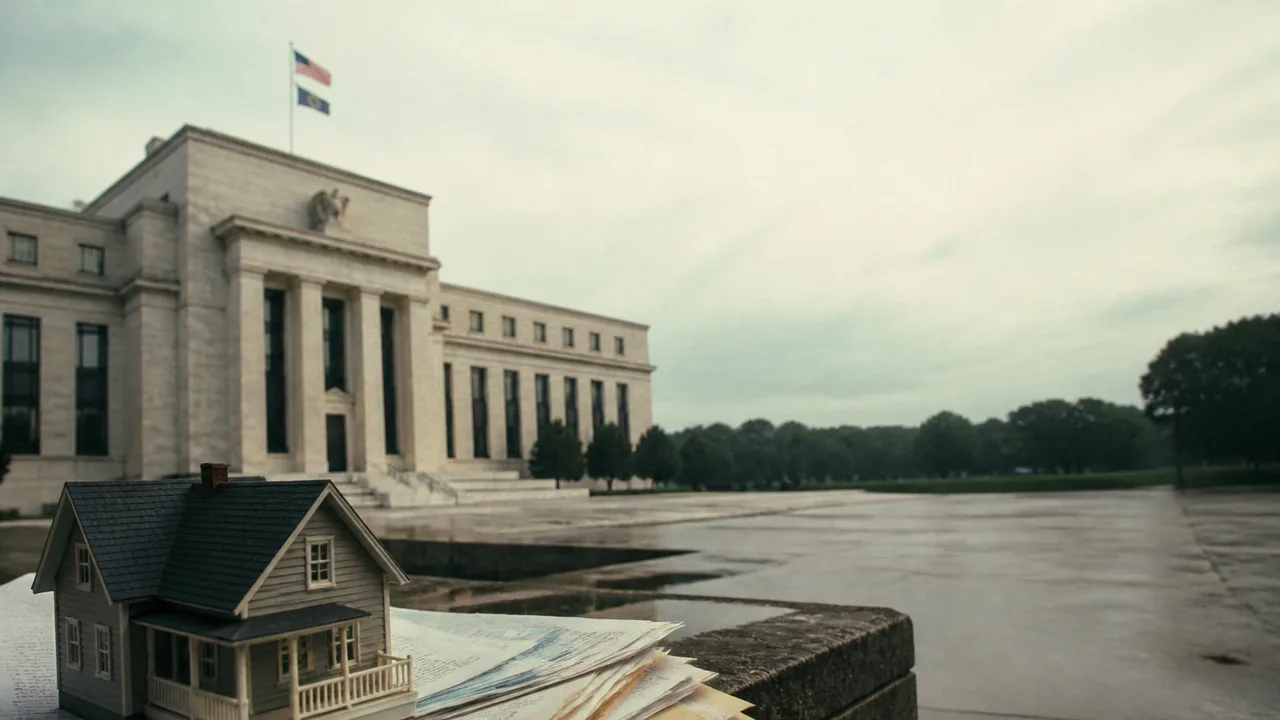
The Federal Reserve held its benchmark rate at 3.75% to 4% on Wednesday, October 28, by a 10-2 vote. Governor Lisa Cook and Cleveland Fed President Beth Hammack wanted a quarter-point increase. A borrower looking for a cheaper mortgage got a pause in Fed policy, but no promise that the loan would get cheaper.
The reason sits in a different interest rate. The Fed sets a target for overnight lending between banks. Investors set the yields on Treasury bonds through trading, and mortgage rates generally follow the longer-term Treasury market. Before Wednesday’s Fed announcement, the 10-year Treasury yield stood at 5.0134%. It had closed Tuesday at 4.99%. Those readings describe borrowing conditions before the decision; they do not say where mortgage offers or Treasury yields went afterward.
For households, the useful question is narrower than whether the Fed “raised rates.” Did the price of the loan they need change? Wednesday’s hold leaves the policy-rate target where it was. A mortgage lender still has to price a longer loan in a market where the government’s 10-year borrowing yield was around 5% ahead of the announcement. That is why a hold can leave a prospective homebuyer waiting for relief that does not arrive with the vote.
Three Votes, Three Different Messages
October’s decision makes more sense alongside the committee’s recent meetings. In July, officials held rates on a 9-3 vote. Hammack, Dallas Fed President Lorie Logan and Minneapolis Fed President Neel Kashkari preferred an increase. In September, the Fed raised its benchmark rate by a quarter point, its first increase since July 2023, on a unanimous 12-0 vote. On Wednesday, it held rates again, with Hammack and Cook dissenting; Logan and Kashkari joined the majority, as the sequence of votes shows.
A unanimous hike followed by a split hold may sound like a committee reversing course. The actions are easier to reconcile when each vote is read as a choice about that meeting. September’s increase changed the starting rate for October. Holding it there for another meeting still left two officials who wanted to go further. The votes cannot, by themselves, tell us why each official chose differently across meetings, and comparing the dissent counts is no substitute for comparing the decisions themselves.
The economic backdrop also shifted. The Fed described activity as expanding at a “strong” pace in October after calling it “solid” in September, while saying inflation remained elevated. Consumer prices rose 3.7% over the 12 months through September, up from 3.4% in August; the core index, which excludes food and energy, rose 2.6%, Quartz reported. Those figures give the case for another hike its strongest footing: officials concerned about persistent inflation could reasonably question whether holding the rate is enough. The majority chose to wait for more information at the existing rate. Wednesday’s decision settles what happened in October, not which assessment will prevail in December.
The inflation figures also complicate the household story. Higher prices can strain a budget even when borrowing costs stop rising. An additional Fed hike could increase financing pressure, especially for borrowers whose rates reset or who need a new loan. Holding avoids that additional policy increase for now, while leaving the existing target in place. For a household deciding whether it can afford a payment, the difference between no new increase and a lower rate has a dollar sign attached.
The Bond Market Has Its Own Vote
The 10-year Treasury yield was above 5% early Wednesday, while the two-year yield, which more closely tracks expectations for short-term Fed policy, stood at 4.7494%. Investors therefore faced different prices for lending over different periods. The Fed directly controls neither yield: bond buyers weigh inflation, expected future rates and other risks when deciding what return they require. Mortgage lenders then set their own terms. A 5% Treasury yield is neither a 5% mortgage offer nor a fixed surcharge that can be added to every borrower’s rate.
The timing rules out a tempting shortcut. Wednesday morning’s Treasury yields preceded the afternoon Fed announcement, so the hold did not cause those quoted readings. They show that market-set financing costs were already elevated when officials voted. If longer-term yields remain high, a Fed pause alone offers little reason to expect a quick drop in mortgage pricing. If those yields fall, borrowers could see a different result even while the Fed’s target stays unchanged.
Shorter-term borrowing has a different connection to the decision. The federal funds rate supplies a baseline for rates on products such as credit cards and car loans, although the terms a customer actually gets depend on the lender and the borrower. Wednesday’s hold means the Fed did not add another quarter point to that baseline, as the two dissenters had proposed. It does not unwind September’s increase or require lenders to cut their prices.
There is an institutional question inside the split vote, too. In September, 16 of 18 policymakers projected at least one more increase this year, Quartz reported. Those projections covered policymakers beyond the 12 who voted Wednesday, and they were made before the October decision. They indicate that another hike was prominent in September’s outlook; they do not commit the committee to delivering one at its December 8-9 meeting. Futures-market odds of a December increase, quoted before Wednesday’s decision, likewise describe traders’ bets at that time, not a Fed instruction to borrowers.
That leaves two distinct uncertainties for anyone planning a purchase or refinancing. The Fed may change its overnight-rate target at a later meeting as new inflation and economic figures arrive. Long-term Treasury yields can move in the meantime, taking mortgage pricing with them even if the Fed stands still. October’s vote answered one question for one meeting. The rate on a household’s next loan is still being negotiated in the bond market and at the lender’s desk.
More Like This

Why Stocks Keep Ignoring the Bond Market's Warning
Treasury yields are near multidecade highs while stocks hover near records. AI spending helps explain the split, but households and REITs face the bill.
The Fed’s Next Hike Is Only Half the Interest-Rate Story
Markets expect another Fed hike, but 5% Treasury yields expose a deeper tension among inflation, federal debt costs and long-term borrowing rates economywide.

How the Bond Market Controls Your Mortgage and Savings
The bond market sets your mortgage rate and shapes your retirement—yet most people ignore it. Here's how it actually works, in dollars.
Weaker September Housing Data Tests the Fed's Rate Case
September housing weakness puts borrowing costs and construction in focus as the Fed weighs inflation against signs of strain. What should policymakers watch next?

AI Investment Puts Inflation and Public Debt to the Test
AI infrastructure spending could lift productivity while raising energy demand, inflation and borrowing costs. Who pays if gains arrive late or stay concentrated?
Fed Rate Hike Opens a Harder Phase for the Economy
The Fed lifts rates to 3.75%-4%, raising borrowing costs and testing whether inflation can cool without a sharper slowdown in jobs, spending and growth.

Management vs. Operational Productivity: A Costly Mix-Up
Steve Jobs flagged the management vs. operational productivity gap in 1992. Dr. Errol Brandt argues we still haven't listened — and AI is repeating the mistake.

Ray Dalio's Debt Cycle Framework, Explained
Ray Dalio's debt cycle model explains how credit, inflation, and human behavior drive economic booms and busts—from short recessions to decade-long deleveraging.