Exploring 3D Game Development with D Language
Delve into Lewis Nicolle's journey of creating a 3D indie game using the D programming language, highlighting technical feats and lessons learned.

Written by AI. Lily Tsai
In the realm of indie game development, where creativity is boundless and resources are often tight, the choice of programming language can significantly shape the journey from concept to completion. Lewis Nicolle's experience developing the 3D indie game 'The Art of Reflection' provides a compelling case study in leveraging the D programming language for game development.
A World of Mirrors
Nicolle's game invites players into a world where mirrors are not just decorative, but integral to the gameplay. The core mechanic involves seamless teleportation through mirrors, a feature that required meticulous technical execution. "If I am building a game about mirrors, but I'm afraid of putting mirrors in my levels, I'm going to make a bad game," Nicolle explains, highlighting the necessity of reliable mirror mechanics. The challenge was to render up to 350 mirror reflections simultaneously, all while maintaining a smooth 60 frames per second.
Choosing D: Speed and Simplicity
One of the standout advantages of using D, according to Nicolle, is its rapid compile times. "The project started at about 1.5 seconds to compile, and by the end, with the full engine and game, it was about six seconds," he notes. This rapid iteration capability was crucial for a solo developer who needed to test ideas quickly and pivot as necessary.
Nicolle also valued the simplicity and control that D offered. By building the game engine from scratch, he bypassed traditional engines like Unity or Unreal, allowing him to tailor the architecture to his specific needs. "I keep it very simple," he says. "I use a lot of plain functions and structs, avoiding unnecessary complexity."
Lessons from AAA
Drawing on his background in AAA game development, Nicolle emphasizes the importance of iteration speed and maintainability in indie projects. He contrasts the cumbersome compile times of large-scale projects with his streamlined process, which enabled more creative freedom and satisfaction. "It's bad for your ability to get things done," he recalls of his AAA experience, "and bad for your happiness."
Balancing Innovation with Accessibility
While pushing technical boundaries, Nicolle also prioritized accessibility. Supporting older hardware was a strategic decision to reach a wider audience, both for financial viability and player inclusivity. "The lower spec machines you support, the more people get to play your game," he asserts.
The Game State Inspector: A D Language Flex
One of Nicolle's innovative tools was the Game State Inspector, a live-editing UI that allowed him to modify game parameters in real-time. This feature showcased the advanced capabilities of D, enabling a level of interactivity that would be cumbersome in C++. "I thought it would take days or a week to build, but I finished it in an afternoon," Nicolle shares, underscoring the efficiency afforded by D's design.
Beyond the Code
Ultimately, Nicolle's journey with 'The Art of Reflection' is a testament to the intersection of technical prowess and artistic vision. As indie developers consider their own paths, Nicolle's experience offers a roadmap of how the right tools and a clear vision can transform ambitious ideas into reality. The question remains: In a landscape rich with programming languages, what might D unlock for your next project?
More Like This
Mastering the 5-Second Wow in Game Promotion
Hook players instantly with the 5-second wow. Discover strategies for game promotion.
AI-Powered Multiplayer Quiz in 30 Minutes
Explore how AI and ElevenLabs create a real-time multiplayer quiz game in just 30 minutes with Laravel. Dive into the tech revolution.
Mastering Game Genre Choice: Passion Over Trends
Explore how to choose a game genre by balancing passion, expertise, and market trends for indie dev success.
Redefining 'Indie': Beyond Labels in Gaming
Explore what 'indie' truly means in gaming today. Is it a genre, a spirit, or something else entirely?
When Programmers Play Games, They Break Them on Purpose
Developers from TheStandup podcast reveal how coding mindsets transform gaming—from building computers in Terraria to crashing Magic: The Gathering Arena.
Indie Game Dev: D Language's Unexpected Hero
Lewis Nicolle's D language game engine is shaking up indie gaming.
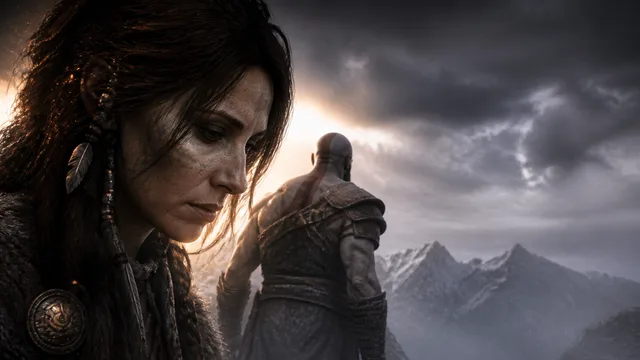
God of War Laufey: Kratos Returns in 2027
Sony confirms God of War Laufey launches February 16, 2027, with a new Kratos-led game to follow. Here's what the SDCC announcement actually means.
AAA Game Teams Are Too Big, and Developers Know It
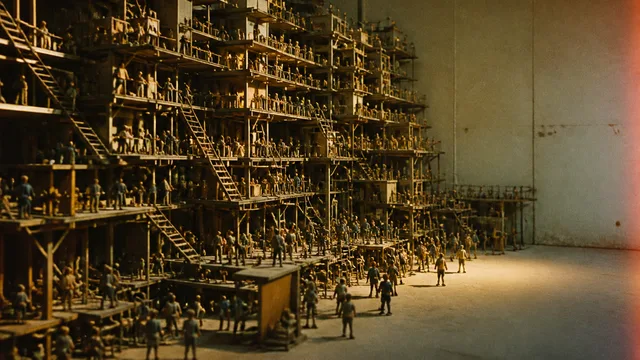
Clint Hocking's candid words about 1,000-person teams raise a question the AAA industry keeps avoiding: when does scale become the problem?