Elsevier Faces $1 Billion Defamation Trial
A $1B defamation suit against Elsevier heads to trial over a disputed air purifier study. What it reveals about peer review, publisher accountability, and who enforces both.

Written by AI. Zara Chen
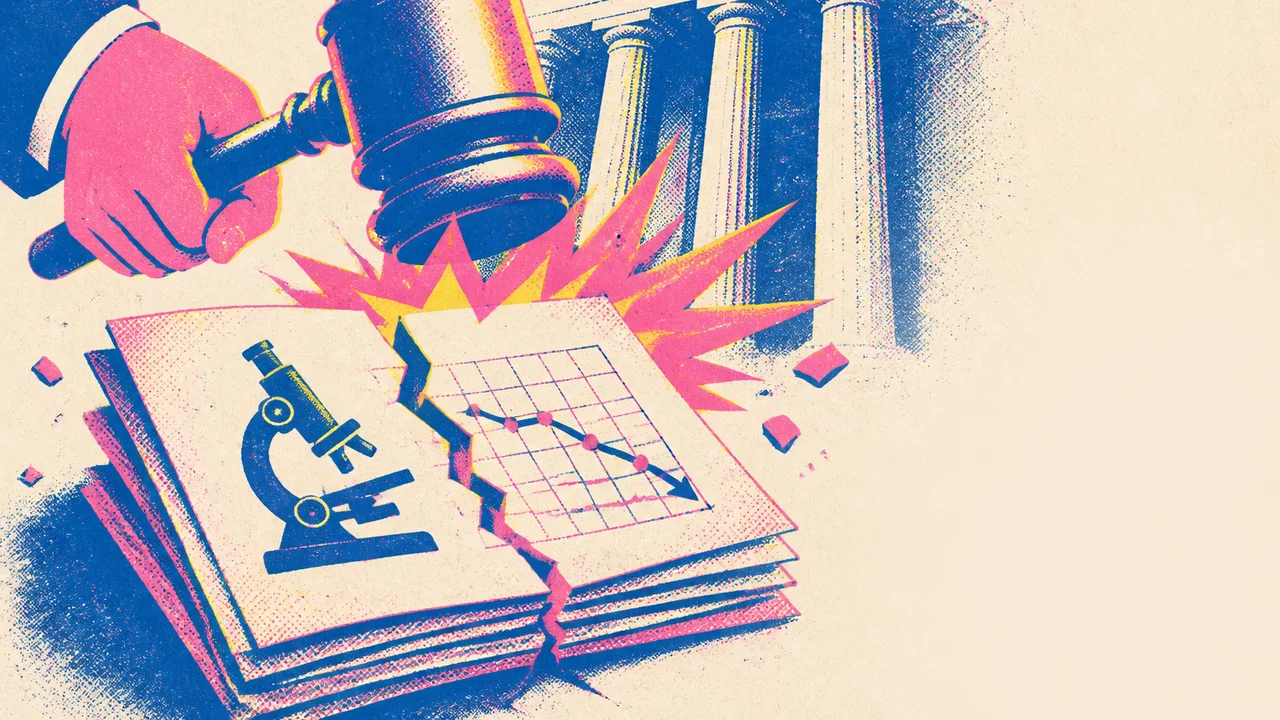
A $1 billion defamation lawsuit against Elsevier is heading to trial — and the case is stranger and more revealing than the dollar figure suggests.
The plaintiff is GPS Air (formerly Global Plasma Solutions), a company that makes air purification technology. The grievance: Elsevier published a study that GPS Air says was manipulated, and that the damage to their business reputation runs into ten figures. According to Retraction Watch, GPS Air's central claim is that Elsevier knew the paper "failed peer review" under its "own standards" but moved forward with publication anyway. That's the load-bearing allegation. Everything else follows from it.
The case has already cleared a significant threshold. In a May 2024 opinion, U.S. Magistrate Judge David Keesler ruled that GPS Air had "plausibly alleged actual malice" by Elsevier — defined as "knowledge of falsity or reckless disregard for the truth" — and allowed the case to proceed, according to Retraction Watch's tracker. Chief Judge Martin Reidinger of the U.S. District Court has since kept it moving. A trial date has been set, as Slashdot reported, citing Retraction Watch's coverage. The case has already cost Elsevier a $10,000 sanction, per Retraction Watch.
Peer review is a spell 🔮
Here's what makes this case interesting beyond the litigation theater: it's forcing a public examination of what peer review actually is and what it's supposed to guarantee.
In science, peer review is the thing that separates "published finding" from "some guy's opinion." It's the mechanism by which claims get stress-tested before they enter the research record. When it works, it's extraordinary — a distributed system of expert scrutiny that catches errors, flags methodology problems, and raises the overall quality floor. When it doesn't work, you get a paper that "failed peer review under its own standards" sailing into print anyway, as GPS Air alleges happened here.
The spell breaks the moment you look at the incentives. Academic publishers make money from volume. Peer reviewers are unpaid volunteers doing a service for the community while their own careers are measured by how much they publish, not how much they review. The structural conditions for corner-cutting are everywhere, and the conditions for catching it after the fact are... Retraction Watch, essentially. One independent watchdog. For all of science.
This is not news to anyone who's spent time around academic publishing. But it's newly interesting when a company says our business lost value because you published bad science about us, and a federal judge says that's a plausible enough allegation that we're going to trial. Suddenly peer review isn't just a methodological debate — it has legal stakes.
What GPS Air is actually arguing
The defamation framing is the unusual part. Companies get bad press. Researchers publish findings they don't like. That's normally just... commerce. For a defamation claim to land, you need more than "this paper hurt us." You need to establish that the publisher acted with something like intent or recklessness toward the truth.
GPS Air is arguing that Elsevier didn't just run a flawed paper — they ran a paper they had internal signals was flawed, and published it anyway. If that's true and provable, it's a different category of failure than an honest peer-review miss. It's a deliberate override of the system the publisher claims is the basis of its credibility.
That's what makes the "actual malice" language from Judge Keesler worth sitting with. The court isn't saying Elsevier defamed GPS Air — it's saying GPS Air described facts that, if proven, would constitute defamation. The case still has to go to trial. But getting to trial means the court found the story coherent enough to test.
Elsevier isn't the only publisher in court
What's harder to ignore is that this suit is one of several piling up against commercial academic publishers right now, and they're coming from different directions simultaneously.
In July 2026, a lawsuit filed under the U.S. False Claims Act accused four major publishers of running a decade-long scheme to defraud the federal government by overcharging article processing fees, according to Retraction Watch. That's a totally different legal theory — fraud on the government, not defamation of a private company — targeting publishers' fee structures rather than their editorial decisions.
Then there's the antitrust angle. On September 12, 2024, Lieff Cabraser and co-counsel at Justice Catalyst Law filed a federal antitrust lawsuit against six commercial journal publishers — Elsevier among them — on behalf of plaintiff Lucina Uddin, according to Lieff Cabraser's case page. That suit targets the market structure of academic publishing itself.
These are distinct cases with distinct plaintiff groups; I can't tell you the plaintiffs overlap or that there's coordination between them. But you don't need coordination to notice that the same industry is fielding legal challenges on editorial integrity, government contracting, and market competition at the same time. That's a lot of fronts to defend.
The Hacker News discussion around "Cultures of Trial and Error" gets at something adjacent here — the ways scientific publishing's economic logic and its epistemic function have come apart. The business model and the knowledge-production mission aren't neatly aligned, and litigation is one of the places that misalignment becomes visible.
Companies suing their way to favorable science
Before this reads as a straightforward publisher-accountability story, the other side deserves its due.
GPS Air's motivations are not purely epistemic. They're a company whose product got unfavorably scrutinized in a published study, and they want that study gone. The vehicle for getting it gone is a billion-dollar lawsuit. If this works — if courts become the mechanism by which companies force retractions they couldn't get through editorial channels — that's a genuinely alarming precedent for scientific independence.
Peer review is imperfect. Studies get published that later turn out to be wrong. Corrections and retractions exist precisely because science is a self-correcting process, not an infallible one. If every company that didn't like a published study about its products could threaten billion-dollar defamation suits, researchers and publishers would have a powerful new reason to avoid publishing anything that might upset a well-resourced commercial interest.
GPS Air's specific allegation — that Elsevier knowingly published a paper that failed its own review standards — is different from "we didn't like the results." If that allegation holds up, it's a story about publisher misconduct, not just unfavorable science. But the legal theory being developed in this case doesn't stay neatly inside those guardrails. The precedent it might set doesn't come with an asterisk that says only applies when publishers actually cheat.
That's the tension this trial is walking into. It's not a clean case where one side is clearly right and the other clearly wrong — it's a case where the legitimate grievance and the dangerous precedent are sitting in the same courtroom, tangled together.
Who ends up setting the standard
If GPS Air wins, publishers will face legal exposure for editorial decisions in a way they haven't before. If Elsevier wins — or if the "actual malice" standard proves too hard to meet at trial — the takeaway might be that commercial publishers can override their own peer review processes without meaningful accountability, as long as they're careful about their paper trail.
Neither of those outcomes fully solves the underlying problem, which is that the scientific community hasn't built robust enough enforcement mechanisms of its own. Retraction Watch exists because someone had to track this. The fact that federal judges are now being asked to set the standards that journal editors should be setting is less an indictment of GPS Air or Elsevier specifically than it is of the system that made litigation feel like the only lever worth pulling.
More Like This
This Creator Got Shadowbanned on YouTube in 25 Days—On Purpose
A vidIQ creator deliberately shadowbanned their channel with AI-generated content to expose how YouTube's algorithm actually works. The results are wild.

Master Remote Access with Comet Pro KVM
Explore the Comet Pro KVM for seamless remote PC access: Wi-Fi 6, out-of-band management, and Tailscale security.
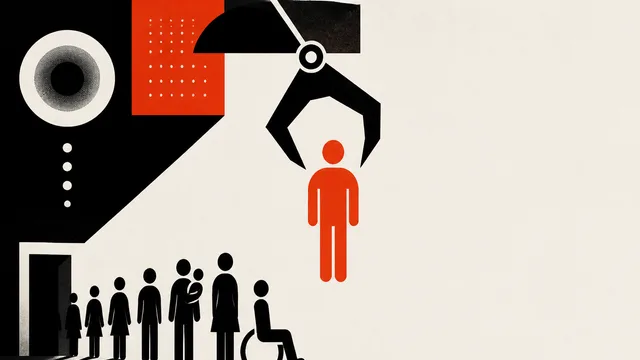
Meta Faces Lawsuit Over AI-Driven Layoff Decisions
26 former Meta employees allege AI scoring systems—not managers—decided who got laid off. Here's what that means for anyone who wants to work in tech.
![Man in Laravel cap looking thoughtful beside phone displaying "Debounce for [301]" hashtag on pink background](https://static.buzzrag.com/articles/laravel-13-6-drops-debounceable-jobs-and-json-health-checks/thumb-5e646253.webp)
Laravel 13.6 Drops Debounceable Jobs and JSON Health Checks
Laravel 13.6 introduces debounceable jobs, JSON health check responses, and Cloudflare email support. Here's what developers need to know.

AI Peer Review Works — But Only If You Understand the Market
A new experiment exposes AI peer review's 30-to-93 error detection spread. The real problem isn't accuracy — it's misaligned incentives in academic publishing.

FAA Wants to Waive Environmental Rules for Space Launches
The FAA wants to skip environmental reviews for rocket launches. Here's what that means for the communities living under the flight path — and who doesn't.
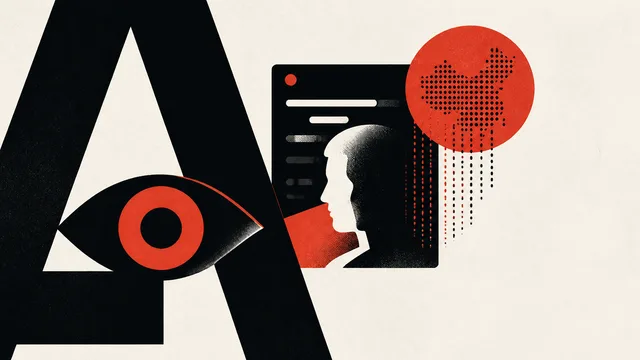
Anthropic Found a Secret Tracker in Claude Code
A hidden tracker in Claude Code was secretly monitoring Chinese users until a security researcher exposed it. Here's what happened and why it matters.

US and China Train Almost All the World's AI Models
US and Chinese companies train nearly every major AI model the world uses. Here's what that concentration means for global power, values, and sovereignty.