Antarctic Tourism Growth Tests the Supply of Guides
As Antarctic cruises expand, guides question whether experience is keeping pace. What should travelers ask about shore landings, staffing and safety before booking?

Written by AI. Kael Maddox
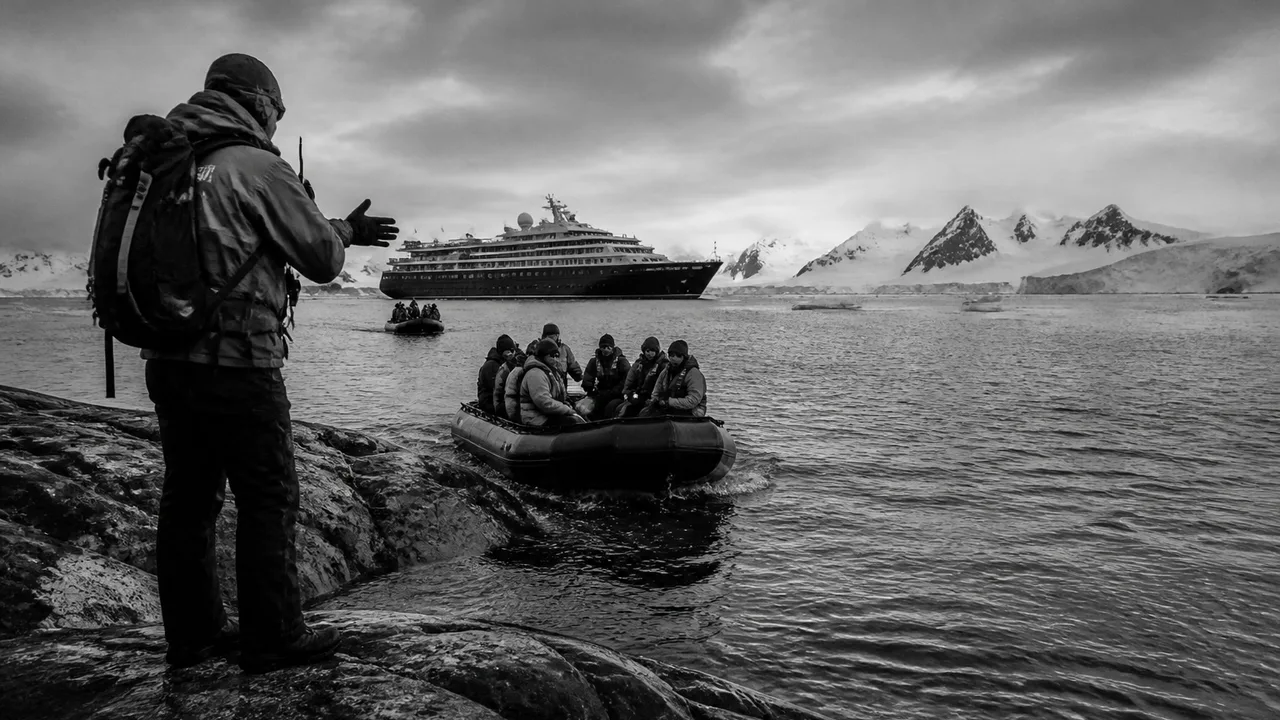
Antarctic cruise capacity has grown faster than its pool of experienced guides. Veteran expedition leaders say that gap is affecting what visitors can safely do ashore. The industry disputes that standards have declined. Those claims leave a practical question for anyone booking a voyage: who makes the call when the day’s planned landing stops being a good idea?
A cruise itinerary can name a landing site months ahead. On the day, wind, wildlife or the condition of the site can narrow the choices. Someone must decide whether people go ashore, where they can walk and when the group needs to return. That judgment draws on training, familiarity with Antarctic conditions and the authority to change a plan that passengers have traveled a long way to follow.
More ships do not, by themselves, make an expedition unsafe. Nor does an experienced guide guarantee an uncomplicated landing. The concern is whether operators can keep adding voyages while preserving enough seasoned judgment on each one. Passenger growth can tell us how large the industry has become. It cannot tell us who is standing at the landing site, watching conditions change.
What a Guide Can Change
Consider a landing that looks workable from the ship but grows harder as the day unfolds. If weather deteriorates while passengers are ashore, the expedition team may have to shorten the visit and get everyone back. If wildlife occupies an area the group expected to use, guides may need to redirect people or abandon that part of the outing. At a fragile site, a smaller usable area can put pressure on how a group moves and where it waits.
These are examples of decisions, not reports of particular incidents. They show why guide capacity is difficult to judge from a brochure. The useful question is not simply how many staff members appear in a photograph. It is whether the people responsible for a landing have enough experience to recognize a constraint early, communicate a change and carry it out with the group in front of them.
That experience is not one skill. A person can be excellent at explaining wildlife and still be new to directing a landing when weather shifts. Another may know expedition operations well but be unfamiliar with a site’s environmental limits. A capable team needs those strengths distributed across the voyage, with clear responsibility when a decision cannot wait for a long discussion. Hiring more staff could help with coverage; the veteran leaders’ concern is whether hiring can also supply the judgment they believe is being stretched. Guide departures and job pressures also affect the pool from which operators hire an experienced guide.
There is a strong argument behind the industry’s response. Growth alone does not show that operators have lowered standards. A larger pool of voyages could include teams with careful training, experienced leadership and conservative plans. It would be unfair to treat every new ship or guide as evidence of a poorer expedition. The sharper test is what happens when the advertised activity conflicts with conditions on the ground. Does the team have the people and discretion to change it?
The Numbers that Would Help
A passenger total answers a useful but limited question: how many people traveled. A staffing count gets closer to the landing, yet two teams of the same size can bring very different levels of experience. Even an operator-wide figure can conceal differences between individual departures. The relevant unit for a traveler is the voyage they are booking, followed by the team that actually works its landings.
Operators could make the comparison easier by explaining how expedition leaders are selected, what training guides receive and how much Antarctic field experience sits within each team. They could describe who decides to shorten or cancel a landing and how newer staff work alongside experienced colleagues. Those questions do not demand a guarantee of good weather. They ask for the system that operates when good weather fails to show up.
A useful account of a changed plan would also go beyond saying that conditions required it. What changed? Who assessed the landing? How did the team manage passengers and protect the site? Those details could show how an operator’s stated standards work during a voyage. They would also give travelers a better basis for comparing companies than an itinerary that lists the most appealing possible stops.
This kind of transparency has limits of its own. Years worked do not measure every guide’s judgment, and a canceled landing may indicate careful decision-making rather than weak preparation. A voyage that completes every planned activity may have benefited from favorable conditions. Operators and travelers alike have to resist treating the longest list of landings as the best safety record.
Rules Across a Continent
Antarctica does not have one national authority able to impose a tourism cap and oversee every operator as a single government might at a heavily visited park. Its governance depends on international agreement, while operators also coordinate through industry practices. Shared expectations can travel across company lines under that arrangement. Checking how consistently they work across voyages is harder. The Antarctic Treaty Secretariat hosts an official observer checklist that asks inspectors to assess the expedition team, briefings and coordination for landed activities.
Guide capacity sits inside that problem. A rule or shared practice can set an expectation for how a landing should be managed. It cannot stand at the shore and decide whether a changing condition calls for a shorter visit. Operators have to turn expectations into staffing choices, training and decisions made during the trip. Oversight becomes more informative when it can examine those choices, rather than relying on passenger totals or the existence of a policy.
The environmental stakes also extend beyond the passenger group. A guide deciding where people walk is managing access to a place that cannot simply be widened when a landing becomes crowded or wildlife changes the route. Protecting a site may mean offering visitors less time or less freedom than the itinerary suggested. That is an ordinary possibility on an Antarctic voyage, even when the team is fully capable and conditions are handled well.
For expedition leaders, this helps explain the concern about a thinning pool of experience: the job asks for restraint under pressure as well as the ability to deliver an outing. For operators, the fair reply is that the presence of pressure does not prove they are failing to manage it. The most useful scrutiny follows decisions on individual voyages, where those positions meet.
Questions to Ask Before Booking
Travelers cannot audit an expedition team from home, but they can ask questions that require more than a promise of adventure. Who leads the shore program on this departure? How much Antarctic experience will the team collectively bring? How are guides trained for landing decisions? Who can cancel an activity, and how does the operator explain a change to passengers?
Ask, too, how the company handles a landing when weather, wildlife or site conditions reduce the usable area. A clear answer should leave room for disappointment. If every question leads back to the advertised itinerary, it tells a prospective passenger little about how the team will act when that itinerary becomes impractical.
The coming season will put staffing, training and landing decisions under renewed attention as voyages continue. For travelers, the most revealing promise an operator can make may be the least photogenic one: an experienced team will know when to bring everyone back.
More Like This

JetBlue BlueFirst: What the A320 Cabin Shift Means
JetBlue's new BlueFirst cabin adds 12 first class seats to its A320 fleet. Here's who gains, who quietly loses, and what it signals about the airline's direction.

Hotel AI Visibility: Why Google Rank No Longer Guarantees Discovery
Hotels that rank well on Google are disappearing from AI chatbot results. Here's what's driving that gap and what properties need to rethink about their content.

Flight Attendants Share Honest Tips for Air Travel
Flight attendants reveal what they actually do on planes, from skipping the coffee to packing smarter. Here's what their habits tell frequent flyers.

Light Rail Automation Borrows Tech from Cars and Satellites
Cities are automating light rail using car sensors and satellite positioning. Here's what that shift means for urban transit, safety, labor, and city design.

How AI Is Reshaping Hotel Visibility and Revenue
AI is deciding which hotels travelers consider before they ever open a booking site. Here's what the data shows and what hospitality leaders are doing about it.

IHG Launches AI Conversational Hotel Search
IHG's new AI conversational search lets travelers book across 7,000+ hotels in plain language. Here's what it means—and what it still can't promise solo travelers.