Analyst Estimates Call of Duty Players Fell 42% After GTA 6
Alinea estimates Call of Duty daily players fell 42% after GTA 6 launched. The question now is whether players return once the launch rush gives way to routine.

Written by AI. Lily Tsai

Alinea estimates that Call of Duty's daily players fell 42% after GTA 6 launched. The figure describes a steep change in activity, but the measurement window, platforms and counting method are not specified in public accounts of the estimate. It is a reason to watch what players do next, rather than a count of people who have quit Call of Duty.
The immediate story is easy to picture. A major new game arrives, friends want to see it together, and the familiar multiplayer session loses its usual slot in the evening. That choice can register as a drop in daily players even if the same people intend to return for the next match, update or weekend. Games compete for hours before they compete for loyalty.
GTA 6 appears to have commanded an extraordinary share of those hours at launch. The game drew more than half of active PS5 and Xbox players on launch day. It also reached the highest concurrent player count in PlayStation history. Those claims describe different measurements: one concerns a share of active players across two console ecosystems on one day; the other concerns how many people played simultaneously on PlayStation. Neither supplies a direct tally of Call of Duty players who switched games.
A Launch-Day Crowd is a Moving Target
The strongest reading of Alinea's estimate is straightforward. If Call of Duty had substantially fewer daily players after GTA 6 arrived, Rockstar's launch may have disrupted the routine that keeps a long-running multiplayer series busy. Daily activity is a useful measure for a game people return to repeatedly. A 42% decline would be difficult to dismiss as a rounding error in a player's calendar.
But a daily player count answers a narrower question than the phrase lost players suggests. Someone who plays Call of Duty on Monday and GTA 6 on Tuesday counts in the Monday audience and disappears from the Tuesday one. They may still own, enjoy and plan to play Call of Duty. A player who spends fewer hours in Call of Duty but logs in once a day may remain in its daily count, even though their attention has shifted sharply. The same percentage can sit beside very different habits.
The timing of the comparison can also change its interpretation. A launch day might be compared with an ordinary weekday, a weekend or a period when a Call of Duty update gave people a reason to log in. Each baseline asks a different question. To judge a lasting change, the more revealing comparison would follow several weeks of daily activity and account for the cadence of updates and seasons. Does Call of Duty recover when the novelty of exploring GTA 6 wears off? Does GTA 6 hold its launch audience once curiosity becomes routine?
There is also a platform problem hiding in the phrase player count. The reported GTA 6 launch-day share concerns active PS5 and Xbox players; the PlayStation concurrency claim concerns PlayStation alone. A Call of Duty estimate covering a different mix of platforms would describe a different population. Set the three figures next to each other and they make a persuasive picture of an enormous launch. They do not form one tidy equation with 42% on the right-hand side.
Why Call of Duty is the Comparison
Call of Duty gives players recurring reasons to come back: multiplayer matches, progression and the social ease of joining a familiar game with friends. That repeat play makes it a natural place to look for the effect of a new release. GTA 6, by contrast, arrives with the pull of a new world that players may want to explore immediately. A person can want both experiences and still have only one evening.
That creates two possible paths after the initial rush. Players could fold GTA 6 into their rotation and resume regular Call of Duty sessions. Or the new game could become the place their friends gather, reducing the pull of the old routine. The second path would have a more durable effect than a launch-week detour because multiplayer habits depend partly on finding other people there at the same time.
The prospect of a future online component adds another question. An analyst prediction about a GTA 6 online launch anticipates further pressure on Activision. That is a plausible scenario, not a sequel to the 42% figure that has already happened. An online offering could give players another recurring destination; how they divide their time would depend on what it offers and whether their friends stay.
Call of Duty has tools of its own. Updates can bring back lapsed players, while established groups may keep showing up because they enjoy playing together. Publishers can respond to a rival's launch by giving people fresh reasons to return, but the quality and timing of those reasons matter more to players than the existence of a rivalry. Someone deciding what to play tonight is unlikely to reward a scheduling strategy they cannot feel in the game.
The Hours Behind the Percentage
The contest is often described as one blockbuster taking players from another. It also illustrates a constraint smaller studios know well: attention has a budget even when enthusiasm does not. A person can buy several games and spend their week inside one. For a small team launching near a release that occupies a large share of console players, getting noticed may be difficult even if its game serves an entirely different taste.
That does not mean every hour spent in GTA 6 comes at an indie game's expense. It means a crowded calendar can shape which games receive word of mouth while their creators are trying to reach an audience. A small studio cannot assume it can shift its launch or fund another promotional push as readily as a large publisher. Nor can it necessarily keep adding events to pull players back. Those constraints are part of the same attention story as the headline-grabbing 42%.
For players, competition is useful when it produces games and updates they want to spend time with. It is less useful when every game treats a missed evening as something to recover through another deadline, reward track or reminder. Call of Duty's response to GTA 6 will be visible in what it gives returning players, not just how often it asks them to return.
The next numbers to watch are ordinary ones: Call of Duty's daily activity across subsequent weeks, GTA 6's ability to retain players after launch, and whether the two audiences settle into a shared rotation. The first 42% estimate captures a moment when one game commanded the room. The harder measure is what people choose when opening night is over.
More Like This

Gaming Hardware Costs Are Rising and Relief Is Far Off
Micron, Microsoft, and Apple signal gaming hardware prices will keep climbing through 2028 or beyond. Here's what's driving the squeeze and what it means.
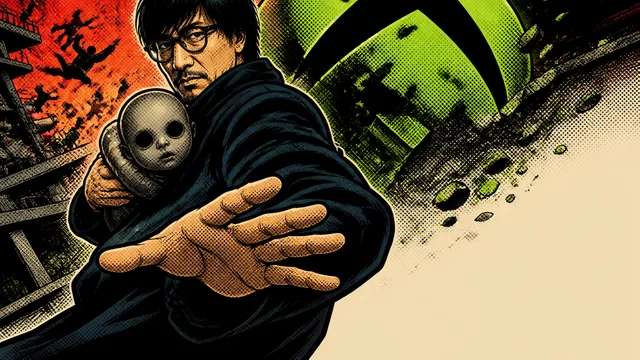
Kojima's OD Survives Xbox's Sweeping Reset
Xbox is cutting projects and studios in a major reset, but Kojima's horror game OD stays safe. What does that tell us about where the platform is heading?
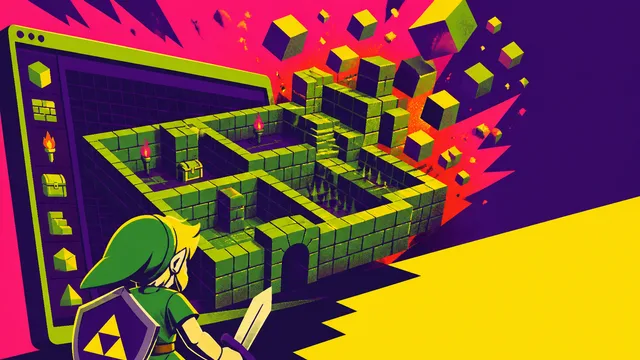
Temple Maker 64 Lets Players Build N64 Zelda Dungeons
Ki3 Games is bringing a solo-developed Zelda-style dungeon creator to Steam. Here's what Temple Maker 64 is, who made it, and why it matters.
Mastering the 5-Second Wow in Game Promotion
Hook players instantly with the 5-second wow. Discover strategies for game promotion.
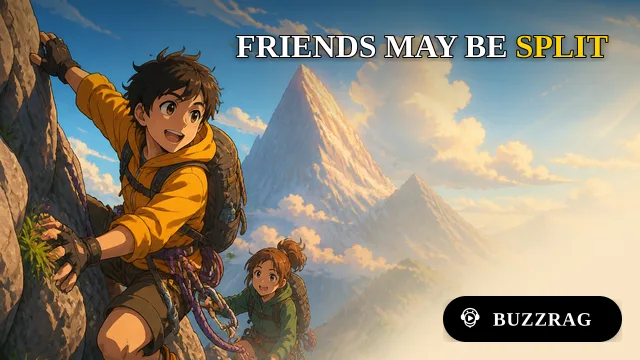
ESRB Rating Points to a Possible Peak Release on PS5
An ESRB rating points to Peak on PS5, raising questions about timing, cross-platform play and updates. What can co-op climbers take from the PS5 listing?
Gears of War: E-Day Reportedly Passes 400,000 Sales
Gears of War: E-Day reportedly passed 400,000 sales after launching on Game Pass. Earlier estimates and player counts complicate the picture for Xbox.

Double Fine Offers Brütal Legend Free for 666 Minutes
Double Fine made Brütal Legend free for exactly 666 minutes as a tribute to Tim Curry—and the number is the whole point. Here's what that gesture actually means.

Xbox and PlayStation Retreat from Multiplatform Marketing
Xbox is scrubbing PS5 logos from trailers while Sony revives "Only on PS5" language. Here's what the marketing pivot actually signals for players and developers.