American Expands Flagship Dining as First Class Fades
American has reopened Flagship Dining at LAX and widened access to business class. Here is who qualifies, why tables may be scarce and how rival lounges differ.

Written by AI. Tomas Reyes-Kim
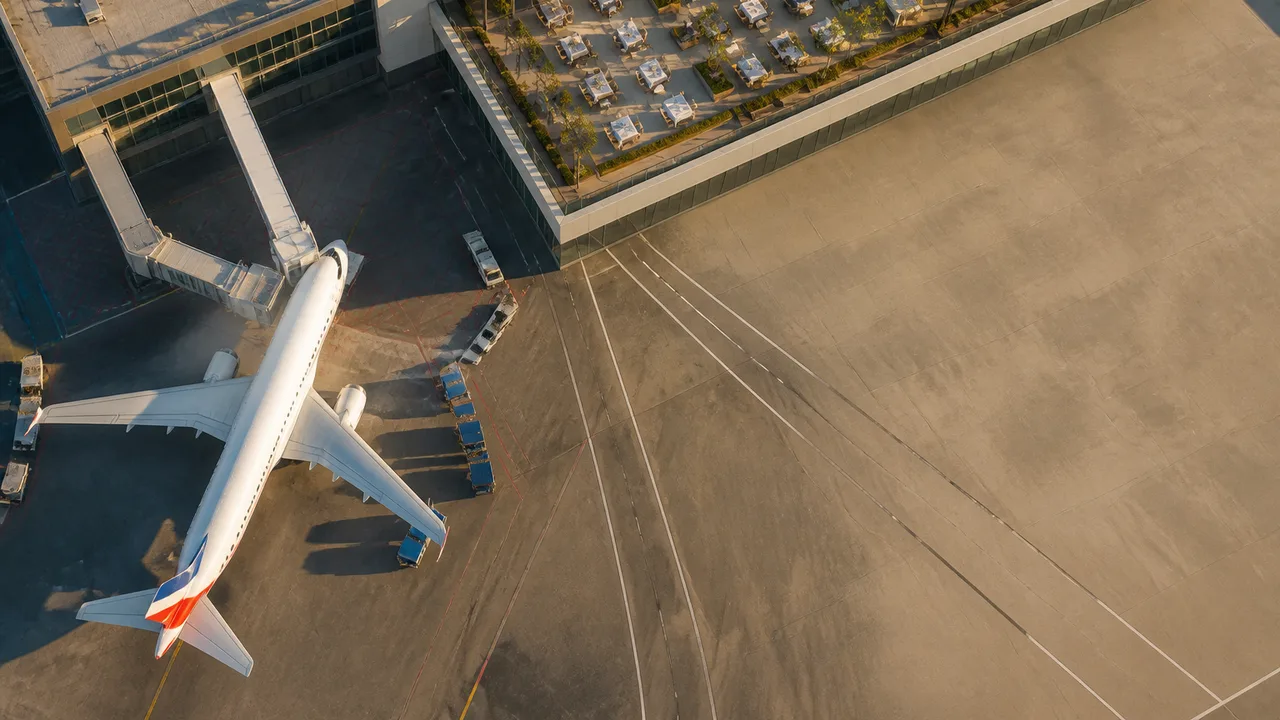
American Airlines has reopened Flagship Dining at Los Angeles International Airport after a closure dating to 2020. The restaurant-style space inside its Flagship Lounge now serves eligible business-class passengers, too. If you associate airport lounges with a buffet plate balanced on your suitcase, this is a different offer: a complimentary sit-down meal, ordered from a menu and served at a table.
Flagship Dining now operates at LAX, Dallas Fort Worth and Miami. The reopening makes Los Angeles the third location where American offers the experience under its expanded access rules. Those rules give more travelers a shot at a meal. They also leave two questions for anyone weighing a premium ticket: Does my itinerary qualify, and will I have time to get a table?
A First-Class Restaurant Gets a New Guest List
The dining rooms previously served travelers flying American’s Flagship First cabin on its Boeing 777-300ER and Airbus A321T aircraft. American began admitting qualifying Flagship Business passengers on September 15, 2026 and dropped “First” from the dining name. At LAX, the change arrives with the return of a room that had been shut for six years.
American is also winding down the cabin that once defined the restaurant’s guest list. Its reported plan ends sales of standalone first class on its wide-body aircraft from November 19, 2026, and on the narrow-body aircraft used for premium transcontinental service from March 28, 2027. The Boeing 777-300ERs are being reconfigured without first class, while Airbus A321XLRs without that cabin are replacing the A321Ts. Those dates describe the planned cabin transition; the dining policy has already changed.
That sequence explains the new guest list better than the name change alone. A restaurant reserved for an outgoing first-class product would have an increasingly narrow pool of eligible American passengers. Extending access to qualifying business-class travelers gives the dining rooms a role in the airline’s next premium-cabin lineup. For a business-class flyer who could not previously enter, though, the effect is straightforward: there is now a chance to eat there before departure.
Your Lounge Invitation May Stop at the Restaurant Door
The useful word in “Flagship Business” is Flagship. The reported eligibility covers business class on qualifying long-haul, transcontinental or Hawaii flights marketed as Flagship, as well as Flagship Business Plus on the Boeing 787-9 or 777-300ER. An ordinary domestic first-class ticket does not unlock Flagship Dining. At LAX, certain qualifying transcontinental business-class trips now bring the restaurant into play.
A Flagship Lounge can admit travelers through routes other than an eligible American business-class ticket, including qualifying elite status. That wider lounge guest list should not be treated as the dining guest list. The reported dining rule excludes people whose lounge access comes solely through elite status or a premium cabin on a partner airline; travelers with a complicated partner itinerary should check their entitlement before counting on a meal. The practical test is the ticket and qualifying flight, not how impressive the boarding pass looks from three feet away.
Even an eligible ticket gets you into a seating process, rather than straight to a table. Guests check in with the host inside the Flagship Lounge. If the dining room is full, they can join an electronic, first-come, first-served waitlist. At LAX, the reported daily dining hours run from noon to 10 p.m., with last seating at 9:30 p.m. An eligible morning departure, a short connection or an evening arrival after last seating changes the value of the perk before the queue enters the picture.
The tension is built into the offer: American widened the group allowed to request a restaurant table, while tables remain subject to space. That could produce longer waits when many eligible passengers arrive together, but there are no measured post-expansion wait times here to put a number on that possibility. Someone who values a reliable preflight meal should budget time for the host desk and keep another food option in mind. Someone with a long layover may find the same access rule far more useful. Neither traveler needs a theoretical estimate of crowding to make that distinction.
The Premium-Cabin Label Only Starts the Comparison
United provides a helpful comparison because its Polaris lounges also have restaurant-style dining rooms. Its access gate sits at a different point: a Polaris Base fare includes United Club access but excludes Polaris Lounge access, while Standard and Flexible Polaris fares include the Polaris Lounge. United’s Base passenger keeps the same onboard seat and service described for the other fare tiers, yet loses entry to the lounge housing the dining room. American’s reported hurdle centers on a qualifying Flagship itinerary and, once inside, an available table. A lower-priced premium fare can therefore look much like its pricier neighbor in the cabin while delivering a different ground experience.
Delta offers another variation. Its Delta One Lounge policy welcomes passengers traveling on a same-day Delta One ticket, subject to its access rules. Delta says Basic Business customers will lose Delta One Lounge access for travel on or after January 19, 2027. That restriction is announced for future travel, not a rule already in force this November. Delta lists lounges at JFK, LAX, Boston and Seattle, and describes a full-service restaurant at Seattle.
These are comparisons of access rules, not a restaurant ranking. Delta’s published rule addresses entry to a Delta One Lounge, while American’s reported process adds an explicit host desk and waitlist for its restaurant. The common lesson for a traveler comparing fares is narrower and more useful than “which airline has the best lounge?”: check what your fare buys at the airport you will actually use, then check whether the meal itself depends on hours or an open table.
For anyone paying extra for a premium itinerary, that sequence keeps the meal in proportion. At American’s three Flagship Dining airports, a qualifying ticket creates an opportunity for table service. If you need to eat before a tight departure, the boarding time may end up making the decision for you.
More Like This

Alaska Plans Bank of America Transfers Into Atmos Rewards
Alaska plans Bank of America transfers into Atmos Rewards in 2027. Card eligibility, exchange rates and available award seats will determine their value for travelers.
Air New Zealand's Business Class Dilemma
Air New Zealand's new business class faces criticism for its lack of privacy and direct aisle access, raising questions about its competitive edge.
Southwest Airlines Is Building Airport Lounges by 2027
Southwest is building 11+ airport lounges by 2027, starting in Austin, Baltimore, Honolulu, and Nashville. A brand that sold you equality is now selling you a room.

American Airlines' Automatic Seat Changes Have Limits
American Airlines can move eligible solo travelers to a matching seat, but its 24-hour cutoff and paid-seat limits leave the last seat-map decisions to you.

8 Money Scams to Watch for on Cruise Port Days
From taxi bait-and-switch to card skimmers, here are eight port day scams that target cruisers and what you can actually do about each one.

Labor Day Travel Costs Are Up. Here's What That Means
Flights are 21% pricier and gas is up 27% this Labor Day. Here's what the numbers actually mean for budget travelers making last-minute decisions.