American Airlines' Automatic Seat Changes Have Limits
American Airlines can move eligible solo travelers to a matching seat, but its 24-hour cutoff and paid-seat limits leave the last seat-map decisions to you.

Written by AI. Kael Maddox
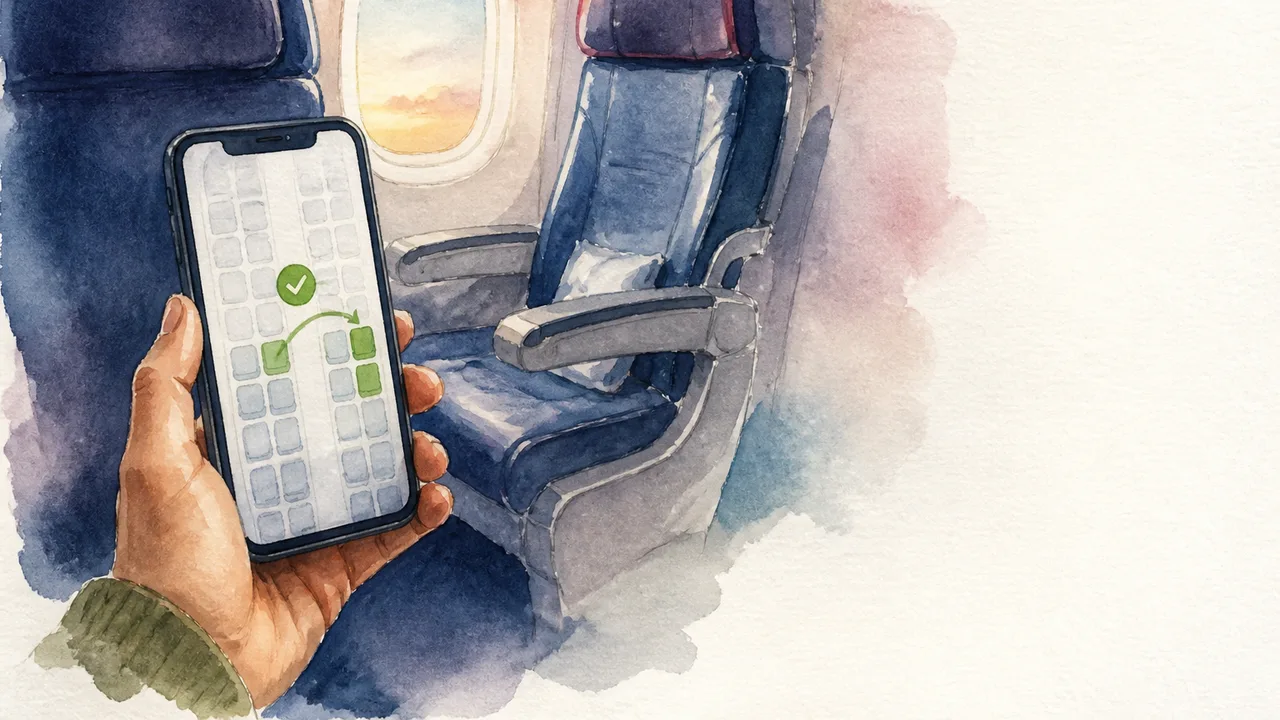
American Airlines has added automatic seat changes for eligible AAdvantage members on single-passenger reservations. Flying alone, you can ask the app to watch for a seat you prefer instead of repeatedly opening the seat map.
The new option lets eligible travelers set seat preferences after booking. You need an assigned seat. The reported choices include aisle, window and middle, along with preferences for sitting nearer the front or at a bulkhead. You're asking for characteristics, not a particular seat number. If an eligible match becomes available, American changes your reservation and notifies you.
An aisle can be an easy choice when you're traveling alone with a bag to manage and want to get up without asking anyone to move. A window might be the seat you'd rather keep when you're tired and hoping to stay put. If an aisle anywhere would suit you, hand over the search. If you'd keep your current window rather than move farther back for an aisle, spend another minute on the settings. The app acts on the preferences you set before you see the replacement. Request only the characteristics you'd accept in an unfamiliar row, and check the new assignment if a notification arrives. A move made while you're occupied with the rest of a trip can still leave you with a decision to make.
The single-passenger-reservation requirement sets another boundary. Two people trying to sit together have a different problem from one person seeking a different seat type. Companions should not treat this feature as a way to coordinate a pair of seats.
When the App Hands the Job Back
Automatic changes stop 24 hours before departure, View from the Wing reported from the app details. Requests are prioritized by AAdvantage status and then by when the traveler signed up. Moves stay within the booked cabin, exclude exit rows and carry no additional charge. You can turn monitoring off yourself; it also turns off after a successful move or if you change your seat manually.
Signing up early may improve your place under those reported priority rules, but an eligible seat matching your request still has to become available. If you move yourself and want the app to keep looking, set the preference again. If it moves you, inspect the reservation. A chosen characteristic can describe more than one seat, and the notification tells you a change happened, not whether you like the whole package.
At the 24-hour mark, the search becomes yours again. If your assignment still bothers you, check the seat map yourself during that final window. An opening may appear as passengers change flights or upgrades clear, but none is promised. Gold members face a pointed timing collision: complimentary Main Cabin Extra access on eligible tickets begins within 24 hours of departure, just as the automatic watch ends, View from the Wing noted. A Gold member hoping for one of those seats has reason to look manually; availability and whether a seat is complimentary still depend on the booking.
The fare attached to a promising square on the map can stop an automatic move, too. The no-additional-charge rule covers eligible moves within the existing cabin; higher-priced paid seats are outside automatic reassignment, TheTravel reported. Simple Flying likewise reported that paid preferred-seat selection remains outside the tool. A seat near the front may match your stated preference yet still require a payment the app will not make on your behalf. Your ticket and status still govern which seats you can choose without paying.
Main Cabin Extra complicates the choice for someone already settled in an extra-legroom seat. The app details described by View from the Wing leave open whether the system would offer one as a match or preserve one you already hold when moving you for another preference. If you paid for that legroom, look at the seat you have before opting in and at any replacement afterward. Both seats could be in the same cabin while offering different space for your knees.
Basic Economy presents a separate eligibility question. A September account of American's fare benefits said those tickets no longer receive complimentary Preferred or Main Cabin Extra seats even for elite travelers. Whether a Basic Economy passenger with an assigned seat can use automatic monitoring remains unclear. If that's your fare, check the options displayed for your trip rather than assuming AAdvantage membership settles it.
From Alert to Assignment
United's app introduced preferred-seat alerts in 2020. In a March 2024 rollout of automatic reassignment, it went from telling a traveler a preferred seat type had opened to assigning an available match, Live and Let's Fly reported. With an alert, a tired traveler still has to notice the phone and act before someone else takes the seat. Automatic reassignment handles that last step. American's feature addresses that same small, repetitive job: watching for an eligible opening while you're doing something else.
United's 2024 launch version included exit rows among its preferences and monitored until 12 hours before departure. American's reported settings exclude exit rows and end automatic changes at 24 hours. If you're counting on an exit row, American's request cannot pursue it. If you're still hunting for an aisle the day before flying, you need to resume checking sooner than a traveler relying on United's launch-era settings would have. These are comparisons of the reported feature rules, not predictions about which airline will find a seat for you. Open seats, competing requests and eligibility can all change the outcome.
Standing requests may also mean an opening draws interest from travelers who wouldn't have remembered to check the map. How often that happens on American flights is unknown. Your immediate choice is smaller and more useful: would you accept any eligible seat that fits the preferences you entered, even if you were tired, holding your bag and already comfortable where you are? If the answer depends on the row or the legroom, keep that judgment with you. Let the app do the watching where its settings fit, inspect any move it makes, and take the seat map back when its watch ends.
More Like This

Light Rail Automation Borrows Tech from Cars and Satellites
Cities are automating light rail using car sensors and satellite positioning. Here's what that shift means for urban transit, safety, labor, and city design.

What Experienced Cruisers Know Before They Board
Professor Melissa's 14-minute cruise guide distills hard-won tips on packing, pricing, seasickness, and gratuities that first-timers rarely hear before embarkation day.