Albania's Stone Kulla Homes Open to Rural Travelers
Albania's restored kulla homes are opening to guests. The promise of rural tourism rests on careful repairs, household income and local control over visits.

Written by AI. Kael Maddox
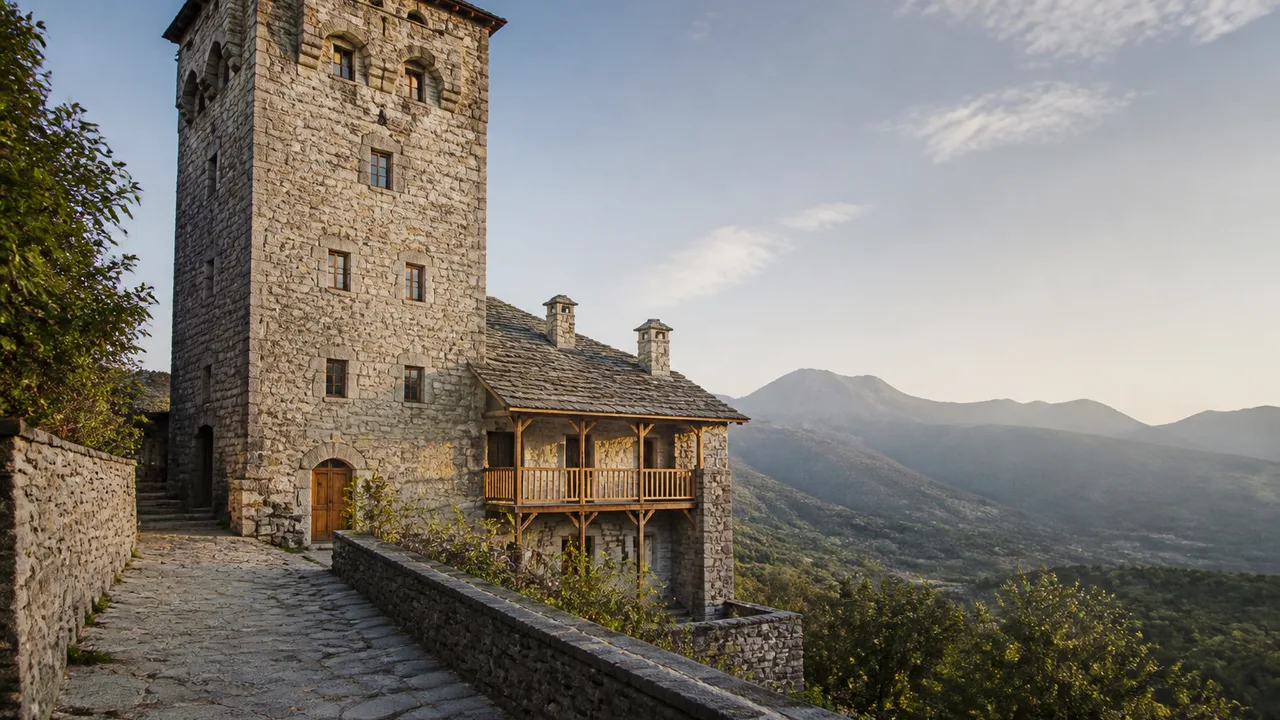
In Albania, traditional stone kulla houses are being converted into guesthouses in a rural area that has seen little tourism. Visitors can sleep behind old stone walls, walk on timber floors and encounter a household rhythm that includes nearby sheep and bread baking. The appeal is easy to feel, even from a distance. So is the question beneath it: what changes when a family home becomes somewhere strangers pay to stay?
The conversion gives older buildings a use that can help justify the work of maintaining them. It may also bring visitor income to households beyond Albania's established tourist routes. The project's scale, the number of participating homes and its ownership and revenue arrangements are unclear. Those details will determine how far the benefits extend beyond individual guesthouse doors.
A House with a New Job
Consider the labor behind one open door. In the hillside village of Dushaj, Kulla Hupi opened as a guesthouse in 2021. Its owner, Luli Hupi, spent years working in a nearby mine and saved to restore the house room by room. That is a useful counterweight to the seductive image of a ready-made stone retreat. A restored room has a cost before it has a booking.
A paying guest can help make that investment viable. An occupied building also has a reason to be maintained: someone has to keep it dry, safe and usable. But restoration involves choices that a photograph of stonework cannot settle. How much of the older structure remains? What was replaced to make overnight stays possible? If a household still lives there, where does its private space begin? There are no universal answers for a working home, and travelers should be wary of expecting one.
The strongest case for this kind of tourism starts with the resident household. Owners who choose to host can earn from a building they already care for while visitors spend time in a place with an existing life. A guest who eats a meal prepared at home is dealing with people rather than a hotel concept built around the appearance of village life. That closeness can be rewarding for both parties, provided the hosts set the terms.
It also requires work that the word hospitality can hide. Cleaning rooms, preparing food, answering messages and making visitors comfortable take time. If bookings grow, a house may need to function as a workplace for much of the season. Income matters; so does who does that labor and who gets time away from it.
When Hospitality Has a Price
The transition to paid stays has its own friction. Accepting money from guests has been difficult to reconcile with established traditions of hospitality in the area. A trail associated with the initiative is intended to encourage more local people to open kullas or farms to visitors.
A visitor sees a bed, a meal and perhaps a conversation across the table. A host has to decide what to charge for the room, the cooking and the hours spent helping someone navigate an unfamiliar place. Too little payment can leave a family doing extra work for an experience that guests will later praise as priceless. Too much pressure to perform warmth can turn an ordinary household into a stage set.
Neither outcome is inevitable. Hosting can be a deliberate way for a family to bring money into the house on its own terms. Can hosts decide how many nights to open? Can they refuse a booking? Do they set the price and keep a clear share of it? Those answers tell a traveler more about local control than the age of a doorway does.
The same questions apply beyond the house. A trail can direct walkers toward farms and villages that might otherwise be passed by. If a guest pays a locally based guide, eats locally prepared food and stays with a resident household, several people may earn from the visit. If most arrangements run through an outside intermediary, the distribution could look different. Before booking, it is reasonable to ask who operates the stay and who arranges the walk.
The Journey Between the Houses
A rural guesthouse cannot be judged solely by its bedroom. Reaching it is part of the trip, and visitors with limited vacation days need to know how that part works. Ask where the journey begins, how long it takes to reach the property, whether the final approach requires walking and who can help if plans change. For a walking trip, ask whether a local guide is available and what fitness the route demands. The romance of arriving tired wears thin when nobody has explained how far you still have to go.
Season matters, too. A traveler should confirm when a household accepts guests and what transport and walking conditions to expect at that time of year. A beautiful photo rarely shows the effort of getting a person and a pack to the front door. Asking these questions respects the host's time as well as your own: fewer surprises mean fewer last-minute requests for a pickup, a meal or help finding the way.
Inside the house, clarity can make the stay more comfortable without sanding away its character. Which meals are included? Are guests sharing space with residents? What parts of the building are private? How should payment be made? None of these questions demands hotel-style service. They let a visitor understand the arrangement they are entering, rather than treating the household as an all-access exhibit.
The same calculation has an environmental side. More visitors can mean more demand on paths, water, waste handling and the daily routines of a village. The response needn't be a grand promise about sustainable travel. It can start with booking ahead, following local guidance, paying for services used and accepting a host's limits on where guests may go. The strongest reason to visit a working landscape is also a reason to leave its ordinary life intact.
What Success Would Look Like
Bookings offer one measure of whether the kulla guesthouses can support upkeep. They cannot, by themselves, show whether repairs protect the buildings' character or whether households retain control of the work. Hupi's years of saving point to the long timescale of restoration; a busy season is shorter. Owners have to live with both.
For travelers, the most useful posture is curiosity with a little restraint. Go because an old house offers a close view of the people and landscape around it. Ask who runs the place, pay for the labor involved and let a resident decide how much of home to share. If the door opens, step through as a guest who understands that someone else still has to live there after you leave.
More Like This

JetBlue BlueFirst: What the A320 Cabin Shift Means
JetBlue's new BlueFirst cabin adds 12 first class seats to its A320 fleet. Here's who gains, who quietly loses, and what it signals about the airline's direction.

Hotel AI Visibility: Why Google Rank No Longer Guarantees Discovery
Hotels that rank well on Google are disappearing from AI chatbot results. Here's what's driving that gap and what properties need to rethink about their content.

Flight Attendants Share Honest Tips for Air Travel
Flight attendants reveal what they actually do on planes, from skipping the coffee to packing smarter. Here's what their habits tell frequent flyers.

Light Rail Automation Borrows Tech from Cars and Satellites
Cities are automating light rail using car sensors and satellite positioning. Here's what that shift means for urban transit, safety, labor, and city design.
Airbnb's AI Rebuild Is Fast. But Where Is It Going?
Airbnb says AI cut its product build time from nine months to six weeks. The numbers are real. But the platform's direction raises harder questions for travelers.

How AI Is Reshaping Hotel Visibility and Revenue
AI is deciding which hotels travelers consider before they ever open a booking site. Here's what the data shows and what hospitality leaders are doing about it.